Author: Healthy Living – Today

  • Freezer-Friendly Chicken Marinades for Healthy Meal Prep

    Freezer-Friendly Chicken Marinades for Healthy Meal Prep

    A healthy chicken and vegetable meal served in a black ceramic bowl.

    Easy, Flavorful, and Nutritious Meals in Minutes

    Meal prep doesn’t have to be complicated. With freezer-friendly chicken marinades, you can create meals that save time, reduce stress, and support your family’s well-being. Marinating chicken before freezing locks in flavor, keeps it juicy, and makes it simple to enjoy nutritious dinners even on busy nights.

    Starting a meal prep habit is also a small but powerful way to support your overall wellness. If you’re just beginning your journey toward balanced living, check out Embarking on Your Wellness Journey for tips on creating sustainable, healthy habits that fit seamlessly into daily life.

    Why Marinate Chicken Before Freezing?

    Using freezer-friendly chicken marinades allows flavors to fully infuse while saving prep time later. It keeps meals tender, juicy, and nutrient-rich. Fresh, natural ingredients ensure a wholesome, health-conscious approach to cooking.

    Planning ahead with marinated chicken provides lean protein and essential nutrients, reducing reliance on processed sauces or takeout. If you’re new to meal prepping, Meal Prep for Beginners is a great resource for building confidence in the kitchen and getting organized so you can make freezer-friendly chicken marinades part of your weekly routine.

    How to Freeze Marinated Chicken

    Start by mixing ingredients with quality kitchen utensils such as a silicone spatula set and stainless steel mixing bowls. Then, combine the chicken and marinade in glass containers for meal prep or seal in freshness with a professional-quality vacuum sealer for batch freezing. Label and date each portion with a versatile label maker to keep track of flavors.

    Lay flat to save space and ensure even freezing. Freeze for up to three months to preserve flavor and nutrients.

    Cooking Marinated Chicken From Frozen

    Cooking straight from the freezer is possible; just remember to extend the cooking time slightly. Preheat your oven to a lower temperature, such as 350°F or 375°F. Place the frozen chicken in an oven-safe dish. The marinade will liquify and help trap moisture. Cover the dish with a lid or aluminum foil to create a steamy environment. This helps prevent the chicken from drying out. Bake approximately 50–75% longer than the time specified for thawed chicken. Use a meat thermometer to ensure your chicken reaches 165°F (74°C) in the thickest part.

    Approximate Cooking Times & Temperatures for Chicken

    Cooking times can vary depending on your oven or grill, the cut of chicken, and whether it’s bone-in or boneless. While general guidelines are useful, the most reliable way to ensure safety is by using a meat thermometer. Chicken should always reach an internal temperature of 165°F (74°C). For a full breakdown of safe cooking times and temperatures, see the FSIS Safe Poultry Cooking Guidelines.

    Delicious Freezer-Friendly Chicken Marinades for Busy Weeks

    Try these freezer-friendly chicken marinades. Click the link to jump directly to the recipe!

    Cilantro Lime Chicken

    This freezer-friendly chicken marinade combines fresh lime juice, honey, garlic, and cilantro for a bright, zesty flavor that keeps chicken tender and packed with nutrients. It works beautifully over leafy greens, in whole-grain tacos, or alongside quinoa bowls. Parents and busy families will love how simple it is to prep and freeze portions. This makes balanced meals ready in minutes on hectic weekdays. For more ideas on pairing lean protein with vegetables, check out Let’s Do Lunch—the Healthy Way

    Ingredients

    • 2 lbs boneless, skinless chicken breasts or thighs
    • 1/4 cup fresh lime juice
    • 2 tbsp olive oil
    • 3 cloves garlic, minced
    • 1 tbsp honey
    • 1/4 cup fresh cilantro, chopped
    • 1/2 tsp salt, 1/4 tsp black pepper

    Instructions

    1. In a mixing bowl, whisk lime juice, olive oil, garlic, honey, cilantro, salt, and pepper.
    2. Place chicken in a glass container or a freezer-safe bag. Pour in the marinade and flatten to remove air. Follow the steps outlined in the How to Freeze Marinated Chicken section above.
    3. Label with the date and freeze for up to 3 months.

    Serving Suggestions

    Thaw chicken overnight. Then grill, bake, or sauté until the chicken reaches 165°F internally. Serve over brown rice or quinoa with steamed vegetables or in whole-grain wraps for a quick, balanced meal. 

    Healthy Living Tip

    Citrus provides vitamin C and helps tenderize chicken. Pairing with lean protein supports energy and healthy aging.

    Pollo Asado

    Inspired by Latin American flavors, this freezer-friendly chicken marinade combines orange and lime juice with chili powder, cumin, and oregano. The citrus adds vitamin C, while the spices provide antioxidants. Grill or bake and serve with roasted vegetables or brown rice. This marinade makes batch cooking straightforward, saving time during busy weeks.

    Ingredients

    • 2 lbs chicken thighs or breasts
    • 1/2 cup fresh orange juice
    • 1/4 cup lime juice
    • 2 tbsp olive oil
    • 2 tsp chili powder
    • 1 tsp cumin
    • 1 tsp oregano
    • 2 cloves garlic, minced

    Instructions

    1. Combine juices, olive oil, spices, and garlic.
    2. Place chicken in a freezer-safe bag and pour in marinade. Refer to the instructions in the How to Freeze Marinated Chicken section above.
    3. Flatten, remove air, label, and freeze for up to 3 months.

    Serving Suggestions

    Thaw chicken overnight. Then grill, bake, or sauté until the chicken reaches 165°F internally. Serve over brown rice or quinoa with steamed vegetables or in whole-grain wraps for a quick, balanced meal, or grill and slice chicken for tacos, bowls, or salads. Roasted vegetables complement this smoky-citrus flavor.

    Healthy Living Tip

    Chili powder (made from red peppers like cayenne or paprika) contains capsaicin, a natural compound shown to offer antioxidant and anti-inflammatory properties. These effects may support immune health and help the body manage inflammation naturally.

    Cumin offers more than just warm, earthy flavor; it delivers natural antioxidants that may help reduce inflammation and support immune function. Cumin may enhance the body’s ability to neutralize free radicals and support overall metabolic health.

    Teriyaki Chicken

    This Asian-inspired freezer-friendly chicken marinade uses low-sodium soy sauce, honey, garlic, and ginger for a sweet-savory taste that both kids and adults enjoy. Lean protein is preserved while flavor is maximized without heavy sauces. Serve with stir-fried vegetables or cauliflower rice, or freeze individual portions for quick lunches. 

    Ingredients

    • 2 lbs boneless, skinless chicken breasts or thighs
    • 1/4 cup low-sodium soy sauce
    • 2 tbsp honey
    • 2 cloves garlic, minced
    • 1 tsp fresh ginger, grated
    • 1 tbsp rice vinegar
    • 1 tsp sesame oil (optional)

    Instructions

    1. In a mixing bowl, whisk together soy sauce, honey, garlic, ginger, rice vinegar, and sesame oil. 
    2. Place chicken in a glass container or a freezer-safe bag. Pour in the marinade and flatten to remove air. Refer to the instructions in the How to Freeze Marinated Chicken section above. Try using glass containers for easy meal portioning.
    3. Flatten, remove air, label, and freeze for up to 3 months.

    Serving Suggestions

    Thaw chicken overnight. Then grill, bake, or sauté until the chicken reaches 165°F internally. Serve over brown rice or quinoa with steamed vegetables or in whole-grain wraps for a quick, balanced meal.

    Healthy Living Tip

    Making your own teriyaki marinade at home is a simple way to control sodium and added sugar. Using whole ingredients like low-sodium soy sauce and honey delivers bold, sweet-savory flavor while keeping the dish much healthier than store-bought versions

    Honey Mustard Chicken

    Combining honey, Dijon mustard, and apple cider vinegar, this freezer-friendly chicken marinade creates a slightly sweet and tangy flavor perfect for lunches, family dinners, or batch cooking for the week.

    Ingredients

    • 2 lbs chicken breasts
    • 1/4 cup Dijon mustard
    • 3 tbsp honey
    • 2 tbsp apple cider vinegar
    • 1 tbsp olive oil
    • 1/2 tsp garlic powder

    Instructions

    1. Whisk mustard, honey, vinegar, oil, and garlic powder.
    2. Place chicken in a glass container or a freezer-safe bag. Pour in the marinade and flatten to remove air. Refer to the instructions in the How to Freeze Marinated Chicken section above.
    3. Freeze for up to 3 months.

    Serving Suggestions

    Thaw chicken overnight. Then grill, bake, or sauté until the chicken reaches 165°F internally. Pair with roasted sweet potatoes and green vegetables such as broccoli for a complete, nutrient-rich meal. Kids especially enjoy the mild, tangy-sweet flavor.

    Healthy Living Tip

    Apple cider vinegar supports digestion, while the honey provides natural sweetness without processed sugar.

    Spicy Chipotle Chicken

    This smoky and slightly spicy freezer-friendly chicken marinade uses chipotle peppers, honey, and apple cider vinegar for a bold, antioxidant-rich flavor. Ideal for tacos, grain bowls, or mixed greens, it freezes well and ensures you always have quick, protein-packed meals ready for busy days.

    Ingredients

    • 2 lbs chicken thighs
    • 3 tbsp chipotle peppers in adobo (blended)
    • 2 tbsp apple cider vinegar
    • 2 tbsp olive oil
    • 1 tbsp honey
    • 2 cloves garlic, minced

    Instructions

    1. Mix chipotle, vinegar, oil, honey, and garlic. 
    2. Combine with chicken in a freezer-safe bag or container. Flatten, seal, and label. Refer to the instructions in the How to Freeze Marinated Chicken section above.
    3. Freeze for up to 3 months.

    Serving Suggestions

    Thaw chicken overnight. Then grill or roast chicken until it reaches 165°F internally. Serve in tacos, grain bowls, or lettuce wraps. Add avocado or fresh salsa for extra flavor. 

    Healthy Living Tip

    Capsaicin in chipotle peppers can support metabolism and heart health while adding bold smoky flavor.

    Meal Prep Tips for Healthy Eating

    Plan your week: Allocate batches based on your meal plan so you know exactly what you’ll be eating and avoid last-minute stress.

    Stock your kitchen: Having all your groceries on hand before you begin is key. Create a simple shopping list based on your meal plan so you can prep in one go instead of multiple store runs.

    Equip yourself: The right kitchen tools make the process smoother. Sharp knives, quality storage containers, vacuum sealers with freezer bags, and even a slow cooker or Instant Pot can save time and effort.

    Portion with purpose: For calorie-conscious or diabetic meal plans, using the UBA Portion Control Plates helps manage portions, balance protein, carbs, and vegetables, and support healthy blood sugar levels.

    Make it enjoyable: Put on music, involve the family, and treat meal prep as a self-care practice rather than a chore.

    For advice on creating long-term, nourishing eating habits, see Eating Habits for Lasting Health—a practical guide for integrating healthy choices into your lifestyle while complementing your freezer-friendly chicken marinade routine.

    Enjoy Stress-Free, Nourishing Meals

    With a little planning and a few simple strategies, you can enjoy flavorful, balanced dinners all week that support your family’s health and wellness. Want to make batch cooking even easier and stress-free? Read our The Art of Batch Cooking blog for practical tips and inspiration. Batch cooking saves time, reduces food waste, and ensures every meal is packed with lean protein, vegetables, and wholesome ingredients.

    Pick a favorite marinade, prep a few portions, and discover how simple healthy eating can feel. Each mindful choice helps you create a routine that supports vitality, lowers stress, and keeps your table filled with meals you can feel good about sharing.

    For more practical ideas and wellness tips, explore our Food and Nutrition section, your trusted guide for healthy living made simple. Sign up today for our newsletter and follow us on Facebook and Instagram for simple recipes and wellness ideas for your whole family. 

    This post may contain affiliate links. If you click a link and make a purchase, Healthy Living—Today may earn a small commission at no additional cost to you. We only feature products, programs, or services we’ve researched and believe may support a healthy lifestyle. Prices are subject to change and may vary from what’s listed. This content is for informational purposes only and is not intended as medical advice. Individual results may vary, and we do not guarantee any specific outcome.

  • Effective Anti-Aging Skincare

    Effective Anti-Aging Skincare

    A Female Senior Looking at Her Reflection in a Mirror After Skin Care

    Top Products for Aging Skin 

    As we age, our skin naturally undergoes changes such as fine lines, dryness, and a loss of elasticity. Choosing the best products for aging skin can help minimize visible signs of aging while supporting a healthy, radiant complexion.  In this guide, we’ll explore well-reviewed anti-aging products and share practical advice to help you choose what works best for your skin’s unique needs.

    Understanding Aging Skin and Its Needs

    Aging skin requires targeted care to maintain hydration, elasticity, and brightness. Over time, collagen production slows and skin cell turnover decreases – leading to wrinkles, sagging, and uneven tone.

    Here are a few proven ingredients to look for:

    • Retinol: Boosts collagen production and speeds up skin renewal.
    • Vitamin C: Brightens dull skin and helps fade dark spots.
    • Hyaluronic Acid: Deeply hydrates and plumps the skin’s surface.
    • Peptides: Support firmness and improve texture.

    Incorporating these ingredients can help your skin look smoother, more luminous, and youthful over time.

    Top Anti-Aging Products for Aging Skin

    Neutrogena Rapid Wrinkle Repair Retinol Face Moisturizer

    What it does: Visibly reduces wrinkles and fine lines while improving skin tone and texture.

    Why it works: Combines retinol, hyaluronic acid, and vitamin C – a dermatologist-approved trio known for collagen support and hydration.

    Best for: Individuals new to retinol or looking for an affordable, well-reviewed option for everyday use.

    CeraVe Skin-Renewing Night Cream

    What it does: Restores the skin barrier overnight, locking in moisture for smoother, more supple skin by morning.

    Why it works: Formulated with ceramides, niacinamide, and hyaluronic acid to rebuild and hydrate the skin barrier.

    Best for: Those with sensitive or dry skin who prefer fragrance-free, dermatologist-developed products.

    RoC Retinol Correxion Anti-Aging Night Serum

    What it does: Targets visible wrinkles, uneven tone, and loss of firmness.

    Why it works: Uses a stabilized retinol blend tested by dermatologists and backed by clinical studies for visible improvement in skin texture.

    Best for: People seeking a proven, results-driven retinol that fits within most budgets.

    Medik8 Crystal Retinal 1

    What it does: Reduces fine lines and promotes smoother, brighter skin with minimal irritation.

    Why it works: Features retinaldehyde — a gentler retinoid alternative that delivers anti-aging benefits faster than traditional retinol.

    Best for: Beginners or those with sensitive skin looking to ease into retinoid use.

    Paula’s Choice 25% Vitamin C + Glutathione Serum

    What it does: Brightens dull, uneven skin tone and enhances radiance.

    Why it works: The combination of 25% vitamin C and glutathione offers strong antioxidant protection against free radicals that accelerate aging.

    Best for: Anyone seeking to address hyperpigmentation or boost overall skin brightness.

    Building an Anti-Aging Skin Care Routine

    Building a skincare routine doesn’t have to be tricky – just stick with it regularly. Start with a few essentials and adjust as you learn what works best for your skin.

    1. Cleanser: Choose a gentle formula that removes impurities without stripping natural oils.
    2. Vitamin C Serum: Apply in the morning to protect against environmental stress and brighten skin.
    3. Retinol (Night Use): Supports collagen production and reduces fine lines.
    4. Moisturizer: Locks in hydration and strengthens the skin barrier.
    5. Sunscreen (SPF 30+): Protects from UV damage – the leading cause of premature aging.

    Think of your skincare routine as an investment in your skin’s long-term health. Even basic, repeated steps create noticeable improvements over time, and making it part of a daily ritual can also provide a sense of self-care and mindfulness.

    Achieve Radiant, Age-Defying Skin

    Choosing the right products is essential for maintaining healthy, youthful skin. From top anti-aging creams to serums and moisturizers, the options highlighted above are backed by dermatological expertise and trusted user experiences. By committing to a consistent anti-aging skincare routine tailored to your skin’s needs, you can reduce the appearance of wrinkles, improve hydration, and promote a radiant complexion that lasts.

    Healthy, age-defying skin thrives on care, confidence, and consistency. By choosing products formulated for your needs and applying them regularly, you can support your skin’s natural resilience and glow.

    Conclusion

    Remember, healthy skin is part of a whole-body approach to aging well – staying hydrated, eating nutrient-rich foods, managing stress, and getting enough sleep all contribute to how your skin looks and feels. By thoughtfully incorporating the best products for aging skin into your routine, you can reduce wrinkles, improve hydration, and enjoy a radiant complexion.  For more guidance on building a well-rounded routine, explore our Personal Care section, where we share practical tips for supporting wellness from the inside out.

    Take your time, enjoy the process, and celebrate your progress – your skin’s health journey is uniquely yours.

    Explore our Healthy Aging section for more tips and product recommendations.  Follow us on Facebook and Instagram for daily inspiration. Subscribe to our newsletter for curated content and practical ideas for healthy living.

    This post may contain affiliate links. If you click a link and make a purchase, Healthy Living – Today may earn a small commission at no additional cost to you. We only feature products, programs, or services we’ve researched and believe may support a healthy lifestyle. Prices are subject to change and may vary from what’s listed. This content is for informational purposes only and is not intended as medical advice. Individual results may vary, and we do not guarantee any specific outcome.

  • Baby Safety on the Road

    Baby Safety on the Road

    Baby sitting safely in a rear-facing car seat, demonstrating baby safety and correct car seat installation in a family vehicle.

    How to Keep Your Little One Protected Every Mile

    Baby safety in the car seems straightforward enough. You pick a highly rated seat, get it installed, and buckle your little one in every time you drive. But here’s the thing most parents don’t realize. Even the safest car seat can’t do its job if it’s not installed correctly or if your baby isn’t positioned just right. We all do our best to follow the instructions, but tiny mistakes in harness tightness or seat angle can make a big difference. The real safety comes from how you use it, not just which one you chose.

    According to the Centers for Disease Control and Prevention, car seat use reduces the risk of injury in a crash by 71 to 82 percent for children compared with using a seat belt alone. That’s a staggering difference. Despite this, many children are still improperly restrained or placed in seats that don’t fit their age, height, or weight.

    The reality is that baby safety begins long before you start the car. It comes from paying attention to fit, installation, and the everyday habits that help keep your child secure.

    The Foundation of Baby Safety in the Car

    A properly installed car seat does more than hold your baby in place. It absorbs and distributes crash forces, protecting the head, neck, and spine, which are the most vulnerable areas during impact. Think of it as a protective cocoon designed specifically for your child’s size and developmental stage.

    Every car seat on the market meets minimum federal safety standards, but how it’s installed and used makes the real difference. Car seat safety starts with three essential choices:

    • Type: Infant, convertible, or booster, depending on your child’s age and size.
    • Position: Rear-facing for as long as possible before transitioning to forward-facing.
    • Fit: Harness snugness and correct recline angle to prevent the head from falling forward.

    Rear-facing seats remain the safest position for babies and toddlers because they support the head and neck evenly during a crash. The American Academy of Pediatrics recommends keeping children rear-facing until they reach the maximum weight or height limit set by the manufacturer. Not when they look cramped. Not when their legs touch the seat back. Only when they actually outgrow the limits.

    Common Installation Mistakes (and How to Fix Them)

    Even the best toddler car seats can’t protect effectively if they aren’t installed properly. These are some of the most common mistakes seen during car seat checks and how to correct them.

    1. Loose installation

    The base should not move more than one inch from side to side or front to back when pulled at the belt path. If you can shift it more than that, it’s too loose. Use your knee or body weight while tightening the belt to ensure a snug fit. Yes, you might feel like you’re using too much force. You’re not. A properly installed car seat should feel rock solid.

    2. Harness too loose or positioned incorrectly

    Here’s a simple test: after buckling your baby in, try to pinch the harness strap at shoulder level. If you can pinch any fabric together, it’s too loose. The harness should lie flat, with no twists, and pass at or below your baby’s shoulders when rear-facing. The chest clip should sit at armpit level, not down on the belly or up near the throat.

    3. Wrong recline angle

    Every infant seat has a recline indicator to help you find the correct angle. Pay attention to it. A seat that’s too upright can cause your baby’s head to fall forward and obstruct breathing, while a seat that’s too flat reduces protection during impact. This is especially critical for newborns whose neck muscles aren’t yet strong enough to support their heads.

    4. Switching too soon

    Parents often move children to a forward-facing seat too early. Maybe their toddler seems uncomfortable. Maybe their legs are bent. Maybe you worry they’re too big. But here’s the truth: leg position doesn’t matter for safety. Stay rear-facing until your child exceeds the limits listed in the car seat manual, not just when they look “big enough.” Many convertible seats now accommodate rear-facing children up to 40 or even 50 pounds. Use that capacity.

    5. Ignoring expiration dates

    Car seats expire, usually within six to ten years from manufacture. Materials degrade over time, and safety standards evolve. The plastic becomes brittle. The foam compresses. The technology improves. Always check the label or manual for the expiration date. And if you’re considering a secondhand seat, know its full history. If it’s been in a crash or you can’t verify its age, it’s not worth the risk.

    For personalized help, you can have your car seat checked by a certified Child Passenger Safety Technician. Safe Kids Worldwide maintains a locator to find inspection sites in your area. These inspections are typically free, and the technicians are trained to spot issues you might miss.

    Everyday Habits That Keep Babies Safe

    Installing a car seat correctly is only part of the equation. True baby safety comes from consistency, the repeated habits that protect your child every day.

    • Check the harness before every trip. Straps can loosen over time, so a quick pinch test keeps them secure. Make it part of your routine, like checking mirrors before backing out.
    • Keep the back seat clear. Loose toys, bottles, or bags can become projectiles in a sudden stop. That sippy cup might seem harmless, but at crash speeds, it’s a hazard.
    • Dress wisely. Bulky coats or padded clothing compress in a crash, leaving room for movement. Layer thin clothes instead and cover your baby with a blanket after buckling in.
    • Watch for overheating. Even mild weather can cause the car’s interior to heat up quickly, especially in rear-facing seats that shield babies from air vents. Feel your baby’s neck or back periodically to check temperature.
    • Replace seats after a major crash. Even if there’s no visible damage, the seat may have absorbed forces that compromise its structure. Many insurance companies will cover replacement. Don’t risk it.

    Building these habits not only prevents accidents but also helps your child grow up seeing safety as a normal part of life. They’ll internalize that buckling up isn’t optional. It’s just what you do.

    Car Seat Spotlight: Trusted Picks for Every Stage

    Chicco KeyFit 35 Infant Car Seat

    Infant: Chicco KeyFit 35 — reliable, easy to install, and ideal for newborns.

    A Graco Extend2Fit 2-in-1 convertible car seat in black and gray, shown with its harness system and infant padding, against a light gray background.

    Convertible: Graco Extend2Fit Convertible — extended rear-facing capacity and straightforward adjustment system.

    Chicco KeyFit 35 Infant Car Seat and Base

    Booster: Chicco KidFit ClearTex Plus 2-in-1 Booster Seat — designed to grow with your child, combining superior comfort, safety, and chemical-conscious materials for a healthier ride.

    Always check your vehicle’s manual and the car seat manufacturer’s height and weight limits before installation.

    These seats reflect consistent performance in independent crash tests and usability ratings. The right fit depends on your child’s size, your vehicle, and your confidence in proper use, because a car seat only protects when it’s installed and buckled correctly.

    Beyond the Seat: Creating a Safer Drive

    Baby safety doesn’t end with the car seat. Your driving environment also matters. Avoid distractions, maintain a safe following distance, and keep your phone out of reach while driving. Every time you glance at a text, you’re taking your attention from the road and your precious cargo.

    If you use accessories for your car seat, like mirrors or seat protectors, make sure they’re crash-tested and approved by the manufacturer. Anything added to the seat or base can change its performance in an accident. That cute toy bar or aftermarket head support might seem helpful, but if it didn’t come with your car seat or isn’t specifically approved for it, leave it out.

    Finally, remember that the safest place for all children under 13 is in the back seat, properly restrained and free from airbag exposure.

    Building Confidence in Car Seat Safety

    Even experienced parents need reassurance sometimes. Car seat safety evolves with research and technology, but the goal remains the same: protecting the smallest passengers in the most effective way possible.

    Each buckle, strap, and angle matters, but so does your peace of mind. You don’t have to be perfect. You just have to be willing to learn, check, and ask questions. That willingness builds confidence that lasts from the first ride home from the hospital to the many road trips ahead.

    Explore our Safety section for more practical information on protecting your family at every stage. Follow us on Facebook and Instagram for daily insights and inspiration, and subscribe to our newsletter for curated resources and product spotlights that help you live well and travel safely.

    This post may contain affiliate links. If you click a link and make a purchase, Healthy Living – Today may earn a small commission at no additional cost to you. We only feature products, programs, or services we’ve researched and believe may support a healthy lifestyle. Prices are subject to change and may vary from what’s listed. This content is for informational purposes only and is not intended as medical advice. Individual results may vary, and we do not guarantee any specific outcome.
  • Best Non-Toxic Products for a Healthy Home

    Best Non-Toxic Products for a Healthy Home

    A gentle breeze flows through the open window framed with blooming flowers, revealing a quiet garden filled with lush greenery and vibrant petals swaying softly.

    Transform Your Space with the Best Non-Toxic Products for a Healthy Home 

    Creating a healthy home starts with the products you use every day. From cleaners to cookware, hidden toxins can impact your well-being without you realizing it. By switching to non-toxic products, you protect your family, pets, and the environment — while still enjoying a clean, comfortable, and stylish home.

    In this guide, we’ll explore the best non-toxic products for a healthy home — covering cleaning essentials, cookware, bedding, and more — to help you make confident, sustainable choices.  If you haven’t yet, check our Home & Environment page for foundational strategies to reduce indoor toxins.

    Best Non-Toxic Cleaning Products

    Cleaning supplies are often the biggest source of indoor chemical exposure. Many conventional cleaners include harsh ingredients like ammonia, surfactants, or synthetic fragrances that can irritate the respiratory system or skin.

    One standout brand is Branch Basics, which offers a plant and mineral-based concentrate that can be diluted to create multipurpose cleaners. Their formula is fragrance-free and designed to be safer for humans, pets, and surfaces. 

    Tips for Switching to Non-Toxic Cleaning Products

    Making the switch to non-toxic cleaning products is one of the easiest ways to improve your home’s indoor air quality and create a safer environment for your family. Follow these practical tips to get started:

    • Start gradually: Replace your strongest cleaners first (bathroom, kitchen) to test sensitivity and see what works best for your household
    • Choose safer bottles: Use glass spray bottles instead of plastic to reduce potential chemical leaching
    • Test first: Always try new cleaners on a small area to ensure they’re safe for surfaces and don’t cause damage
    • Improve indoor air quality: By reducing chemical load in your cleaning routine, you help create a healthier home environment for your family

    Switching to non-toxic cleaning products can be straightforward.  Practical steps and thoughtful choices make a meaningful difference in your home’s health and safety. Explore our guide to a healthy home for more tips on creating a toxin-free living space.

    Safer Cookware & Food Storage Solutions

    Many conventional nonstick pans (like Teflon) and some plastic containers can release trace chemicals into food when heated or scratched. To protect your health, consider safer cookware and storage options:

    • Ceramic or quartz-coated nonstick pans (free of PTFE and PFOA)
    • Cast iron or carbon steel cookware for durable, non-toxic cooking
    • Stainless steel cookware for versatile, long-lasting use
    • Glass or stainless steel food storage containers to avoid chemical leaching

    Brands such as Caraway offer stylish, non-toxic cookware lines that skip harmful coatings, helping reduce exposure to microplastics and other chemicals. Investing in safer cookware is an investment in your health — particularly important for frequent cooks and families with children.

    Non-Toxic Bedding, Furniture & Materials

    Many mattresses, couches, and rugs emit volatile organic compounds (VOCs) and flame retardants. For safer sleeping and relaxing environments:

    Some eco-friendly brands like Avocado Green Mattress prioritize safer materials and elimination of flame retardant chemicals.  Choosing low-VOC materials and improving ventilation are two of the simplest ways to minimize indoor pollutants.

    Eco-Friendly Air & Water Purification

    Even with clean products and furnishings, you still need to manage airborne and waterborne pollutants.

    Air Purification Approaches

    • Use HEPA air purifiers: Choose true HEPA filters, not “HEPA-like,” to capture fine particles such as dust, pollen, and pet dander.
    • Add natural air-purifying plants: Spider plants, peace lilies, and snake plants can help reduce airborne toxins while brightening your space.
    • Ventilate daily: Open windows when possible to circulate fresh air and reduce indoor pollutants.

    Water Purification Methods

    • Use activated carbon or reverse osmosis filters: These help remove chlorine, heavy metals, and other contaminants from drinking water.
    • Install point-of-use filters: Kitchen faucet or under-sink filters provide convenient, immediate access to purified water.
    • Regularly replace filters: Follow manufacturer recommendations to ensure effective contaminant removal.
    • Consider UV or ceramic filters: Ideal for reducing bacteria, cysts, and other microorganisms.
    • Use filtered pitchers: A practical way to improve water taste and safety throughout the day.
    • Check for NSF/ANSI certification: Ensure your water filter meets verified standards for contaminant reduction.

    Indoor air can be 2–5X more polluted than outdoors, so combining source reduction strategies with filtration is crucial.

    A Healthy Home Strategy

    Here’s a phased approach to reduce toxins without overwhelming your budget:

    1. Start in the kitchen – Replace conventional cleaners + upgrade a few key cookware pieces
    2. Move to bedrooms/living areas – Swap out mattresses, pillows, and textiles
    3. Add air & water filtration – Use purifiers and filters to address residual pollutants
    4. Perform a “chemical purge” – Explore our How to Create a Chemical-Free Cleaning Routine for a Healthier Home for more safe, effective options.

    Lastly, refer to the 36 Expert Tips for a Healthier Home from Harvard’s Healthy Buildings program for broader strategies (ventilation, moisture control, materials, etc.).

    Explore our Home and Environment section for more green living tips.  Follow us on Facebook and Instagram for daily inspiration. Subscribe to our newsletter for curated content and practical ideas for healthy living.

    This post may contain affiliate links. If you click a link and make a purchase, Healthy Living – Today may earn a small commission at no additional cost to you. We only feature products, programs, or services we’ve researched and believe may support a healthy lifestyle. Prices are subject to change and may vary from what’s listed. This content is for informational purposes only and is not intended as medical advice. Individual results may vary, and we do not guarantee any specific outcome.

  • Guilt-Free Holiday Drinks That Keep the Cheer Flowing

    Guilt-Free Holiday Drinks That Keep the Cheer Flowing

    Top view of gingerbread cookies on a glass tray beside a cup of hot cocoa topped with a peppermint snowflake, surrounded by Christmas ornaments, representing a festive holiday snack.

    Healthy Holiday Drinks to Sip, Savor, and Stay Energized All Season

    The holidays are full of flavor, but they don’t have to derail your healthy habits.  With a few thoughtful swaps, you can enjoy festive favorites that support energy and well-being through the season.  Holiday drinks are part of the magic.  The scent of cinnamon, the first sip of cocoa, and the cozy mug in your hands all make the season feel special. Many traditional recipes are loaded with sugar, which can increase inflammation, raise blood pressure, and affect heart health. Limiting added sugar helps you enjoy the season without feeling sluggish or bloated and supports long-term wellness. These healthy holiday drinks let you savor the season while supporting your overall well-being.  Celebrate the holidays without sugar overload and enjoy these festive, feel-good drinks full of flavor and fun without the guilt.

    Festive Recipes for Healthy Holiday Drinks

    Here are five drinks that bring the flavor and warmth of the season without extra sugar.  Each recipe is crafted to be low in sugar, full of seasonal flavor, and easy to enjoy with family and friends.

    1. Spiced Apple Cider Lightened Up
    2. Peppermint Hot Cocoa
    3. Cranberry Orange Holiday Smoothie
    4. Chai-Spiced Green Tea Latte
    5. Winter Berry Smoothie Bowl

    1. Spiced Apple Cider Lightened Up

    Warm and comforting, spiced apple cider is a classic holiday favorite.  This lightened-up version is one of the easiest ways to enjoy healthy holiday drinks without missing the cozy taste and avoiding a sugar spike.

    Ingredients

    • 2 cups unsweetened apple cider or 100 percent apple juice
    • 1 cinnamon stick
    • 2 whole cloves
    • 1 orange slice
    • Optional drizzle of honey for natural sweetness

    Directions

    Simmer all of the ingredients in a pan for 10 to 15 minutes, strain, and serve warm.

    Wellness Bonus

    Cinnamon supports balanced blood sugar, helping energy stay steady through indulgent meals and sweet treats. 

    2. Peppermint Hot Cocoa

    Creamy, chocolatey, and festive, peppermint hot cocoa is perfect for cozy winter evenings.  Enjoying this as a healthy holiday drink keeps the holiday cheer without the sugar crash.

    Ingredients

    • 1 cup unsweetened almond or oat milk
    • 1 tablespoon unsweetened cocoa powder
    • 1 teaspoon pure maple syrup or monk fruit sweetener
    • Drop of peppermint extract

    Directions

    Add all ingredients to a pan and whisk over low heat.  Pour into your favorite holiday mug and top with a sprinkle of crushed peppermint or unsweetened whipped cream.

    Wellness Bonus

    Cocoa is rich in flavonoids that support circulation and heart health while adding a mood-lifting boost.  

    3. Cranberry Orange Holiday Smoothie

    Tart, sweet, and vibrant, this cranberry orange smoothie tastes like the holidays in a glass. It’s a refreshing way to enjoy healthy holiday drinks for breakfast or a snack.

    Ingredients

    • ½ cup unsweetened cranberry juice
    • 1 orange, peeled
    • ½ frozen banana
    • ½ cup plain Greek yogurt
    • Splash of water or ice cubes

    Directions

    Blend all ingredients until smooth and creamy.

    Wellness Bonus

    Cranberries contain antioxidants called proanthocyanidins that support urinary tract health and strengthen the immune system.

    4. Chai-Spiced Green Tea Latte

    Aromatic chai-spiced green tea is soothing and warming.  This latte is an easy way to make green tea one of your go-to healthy holiday drinks without the added syrups and sugar rush.

    Ingredients

    • 1 green tea bag
    • 1 cup unsweetened almond milk
    • ½ teaspoon cinnamon
    • Dash of nutmeg and cardamom
    • Drop of vanilla extract

    Directions

    Steep your tea, warm your milk, and then whisk together for a frothy finish.

    Wellness Bonus

    Green tea is packed with catechins, antioxidants that naturally boost metabolism and support cardiovascular and brain health.

    5. Winter Berry Smoothie Bowl

    Sweet, colorful, and packed with antioxidants, this winter berry smoothie bowl is a satisfying and nutritious way to enjoy healthy holiday drinks for breakfast, lunch or a light dessert.

    Ingredients

    • ½ cup frozen mixed berries
    • ¼ cup unsweetened almond milk
    • ¼ cup Greek yogurt
    • Sprinkle of cinnamon
    • Optional toppings such as chia seeds, sliced almonds, or fresh pomegranate arils

    Directions

    Blend until thick and enjoy with a spoon.

    Wellness Bonus

    Berries are linked to improved heart health, reduced inflammation, and enhanced cellular protection thanks to their high polyphenol content. 

    A Healthy Twist on Holiday Traditions

    Healthy holiday drinks are not about restriction, they are about intention. Choosing beverages made with real, nourishing ingredients helps maintain steady energy, balanced mood, and fewer sugar cravings. Feeling your best allows every toast to be truly joyful.  These guilt-free holiday drinks are perfect for family gatherings, cozy nights by the fire, during movie marathons or as morning pick-me-ups that support your health and wellness goals.

    So, raise your mug to health, happiness, and guilt-free flavor this holiday season.  These healthy holiday drinks prove that celebration and self-care can share the same glass, full of warmth, flavor, and good health.

    Wishing you a safe and happy holiday from all of us at Healthy Living – Today

    Visit our Food and Nutrition section for trusted supplements, meal tips, and wellness tools. Sign up today for our newsletter and follow us on Facebook and Instagram for wellness ideas for your whole family.

    This post may contain affiliate links. If you click a link and make a purchase, Healthy Living – Today may earn a small commission at no additional cost to you. We only feature products, programs, or services we’ve researched and believe may support a healthy lifestyle. Prices are subject to change and may vary from what’s listed. This content is for informational purposes only and is not intended as medical advice. Individual results may vary, and we do not guarantee any specific outcome.

  • What Are the Attributes of Mental Health?

    What Are the Attributes of Mental Health?

    Silhouette of a person sitting on rocks at sunset, reflecting quietly against a warm sky, symbolizing balance and emotional resilience.

    Understanding the Qualities That Support a Balanced, Healthy Life

    Think about the last time you faced a genuinely hard week. Maybe a deadline loomed, a relationship felt strained, or uncertainty crept in. The attributes of mental health show up in how we handle those moments, through the ability to stay grounded, adapt, and recover without falling apart. Mental health isn’t about sailing through life untouched. It’s about having the inner resources to navigate difficulty and keep moving forward.

    Mental health shapes everything: how we interpret a difficult conversation, whether we can bounce back after disappointment, and how we show up for the people we care about. It’s woven into daily life, not separate from it. And contrary to popular belief, strong mental health doesn’t mean you’re perpetually happy or stress-free. It means you’ve developed the tools to move through life’s inevitable challenges in healthy, constructive ways.

    The World Health Organization defines mental health as a state of well-being that enables people to realize their potential, handle everyday stresses, work productively, and contribute to their communities. Notice what’s not in that definition: perfection. Instead, it’s about capacity. The ability to thrive, not just survive.

    The Core Attributes of Mental Health

    Mental health isn’t one thing. It’s a constellation of qualities that work together, each reinforcing the others to create balance and resilience in our lives.

    Emotional Regulation

    We’ve all been there: that surge of anger in traffic, the knot of anxiety before a big presentation, the wave of sadness that hits out of nowhere. Emotional regulation isn’t about suppressing those feelings or pretending they don’t exist. It’s about experiencing them without being controlled by them.

    When you notice your frustration, take a breath, and choose how to respond rather than react, that’s emotional regulation at work. Simple grounding exercises can help build awareness in the moment, turning reactivity into steadiness. Reflective practices, such as journaling, can also support emotional balance over time. Strengthening emotional regulation has a ripple effect, improving everything from your relationships to the way you make decisions.

    Self-Awareness

    Self-awareness is like having an internal observer, someone who can step back and notice patterns in your thoughts and behaviors. Why do you always avoid conflict? What triggers your anxiety? When do you feel most alive?

    Understanding yourself this way transforms reactive habits into intentional choices. It also opens the door to self-compassion and empathy, because when you truly understand your own struggles, you’re better equipped to understand someone else’s.

    Resilience

    Here’s what resilience isn’t: being unbreakable, never showing vulnerability, or bouncing back instantly from every setback. Real resilience means getting knocked down, feeling the full weight of it, and eventually finding your way forward anyway.

    Resilience develops through supportive relationships, a sense of belonging, and healthy coping strategies you’ve built over time. It’s not something you either have or don’t. It’s a capacity that grows stronger with practice and connection. The goal isn’t to avoid hardship but to cultivate the strength to move through it.

    Healthy Relationships

    Humans are wired for connection. Research consistently shows that meaningful relationships are essential to well-being. They reduce isolation, provide perspective when we’re stuck in our own heads, and create a sense of belonging that buffers against life’s hardships.

    These relationships don’t have to be perfect, they just need to be authentic. The most supportive spaces are those where you can be yourself, receive encouragement, and offer it in return. Whether it’s with family, friends, or your broader community, these bonds create the foundation for emotional stability and resilience.

    Cognitive Flexibility

    Life rarely goes according to plan. Cognitive flexibility is what allows you to adapt when it doesn’t. It helps you adjust your approach when one path closes, see problems from new angles, and learn from experiences rather than repeat the same patterns.

    This mental agility supports both creativity and resilience. It’s the difference between being paralyzed by change and being able to navigate it, even when it’s uncomfortable.

    Sense of Purpose

    Purpose doesn’t have to be grand. It’s not always about changing the world or finding your “calling.” Sometimes it’s as simple as knowing that your work matters to someone, that your presence makes a difference to your kids, or that the volunteer project you contribute to serves your community.

    The National Institutes of Health’s Emotional Wellness Toolkit notes that having a clear sense of purpose is linked to improved mental and physical health. Purpose gives direction and motivation, especially when everything else feels uncertain.

    These attributes don’t exist in isolation. They reinforce each other. Emotional regulation helps you respond with steadiness rather than reaction. Self-awareness builds on that by helping you recognize patterns in your thoughts and behaviors. Resilience allows you to recover from setbacks and continue forward. Healthy relationships provide the support and sense of belonging that nurture emotional balance. Cognitive flexibility enables you to adapt when circumstances change, and a clear sense of purpose brings these elements together, guiding how you think, act, and connect. Together, they create a foundation that supports you through life’s inevitable ups and downs.

    How Mental Health Affects Physical Health

    Your mind and body are always communicating. When stress lingers, that connection becomes impossible to ignore. The body’s stress response, often called the “fight or flight” reaction, releases hormones like cortisol and adrenaline to prepare you for challenge or danger. In short bursts, this response is useful. But when it’s triggered constantly, it takes a toll.

    Chronic stress can affect nearly every system in the body, influencing sleep, digestion, heart health, and immune function. Over time, it can also make mental health symptoms like anxiety and irritability harder to manage. The stress response keeps the body in a prolonged state of alert, which can contribute to inflammation and raise the risk of long-term illness.

    The same connection that allows stress to impact the body also works in reverse. When you support your physical health through movement, good nutrition, and rest, you help regulate the body’s stress systems and protect mental well-being. Healthy habits that support balance and vitality throughout life, such as regular exercise and restorative sleep, create stability for both mind and body.

    Mental Health vs. Mental Illness

    Let’s clear up a common source of confusion: mental health and mental illness are related but not the same thing. Everyone has mental health, just as everyone has physical health. It exists on a spectrum and fluctuates throughout life. Mental illness, on the other hand, refers to specific diagnosable conditions like depression, anxiety disorders, bipolar disorder, and schizophrenia that affect mood, thinking, or behavior.

    Here’s what matters: the American Psychiatric Association notes that many people live meaningful, productive lives while managing a mental illness. Having a diagnosis doesn’t define your entire existence or limit your potential for well-being. Recognizing this distinction reduces stigma and encourages people to seek support early, when intervention is most effective.

    Recognizing When Well-Being Is Impaired

    Everyone feels stressed or sad sometimes. That’s normal. But there’s a difference between a hard week and something more persistent. When low mood lingers for weeks, when you withdraw from people you usually enjoy, when sleep and appetite shift dramatically, or when concentration becomes impossible, those are signals worth paying attention to.

    The World Health Organization estimates that one in seven people worldwide live with a mental disorder. That’s not a small number. Early recognition and professional support can prevent crises and significantly improve outcomes. Restorative activities like spending time outdoors can also support emotional balance and reduce stress over time.

    How to Strengthen Mental Wellness

    The good news: improving mental wellness doesn’t require a complete life overhaul. Small, consistent actions make a real difference.

    Move regularly

    Physical activity isn’t just good for your body. It’s one of the most effective tools for boosting mood and supporting cognitive health.

    Stay connected

    Make time for people who matter. Strong relationships are one of the most powerful protections against loneliness and stress.

    Practice mindfulness

    You don’t need to meditate for hours. Even a few minutes of focused breathing or guided reflection through an app like Headspace can help manage anxiety and improve concentration.

    Keep structure

    Predictable routines like regular sleep, consistent mealtimes, and dedicated work hours create a sense of stability that supports mental balance.

    Reach out for help

    Therapy, counseling, or support groups aren’t signs of weakness. They’re practical resources that offer perspective and tools you might not develop on your own. Building small habits around connection, movement, and reflection can make mental wellness part of everyday life.

    The Ongoing Work of Mental Health

    The attributes of mental health aren’t fixed traits you either have or don’t. They’re skills that evolve as life unfolds, strengthened each time you practice them in real moments of stress, change, or connection.

    Good mental health isn’t about constant calm or unshakable positivity. It’s about developing the awareness and flexibility to meet life as it is. Knowing when to pause, when to reach out, and when to move forward.

    When we nurture these qualities, we do more than maintain balance. We help build a culture that values compassion, understanding, and shared resilience. One where caring for mental health is part of everyday life.

    Explore our Mental Health & Well-Being section for more insights on building emotional balance and resilience. Follow us on Facebook and Instagram for daily inspiration and subscribe to our newsletter for curated ideas and practical information to support a healthier, more balanced life.

    This post may contain affiliate links. If you click a link and make a purchase, Healthy Living – Today may earn a small commission at no additional cost to you. We only feature products, programs, or services we’ve researched and believe may support a healthy lifestyle. Prices are subject to change and may vary from what’s listed. This content is for informational purposes only and is not intended as medical advice. Individual results may vary, and we do not guarantee any specific outcome.

  • Eco-Friendly Pest Control

    Eco-Friendly Pest Control

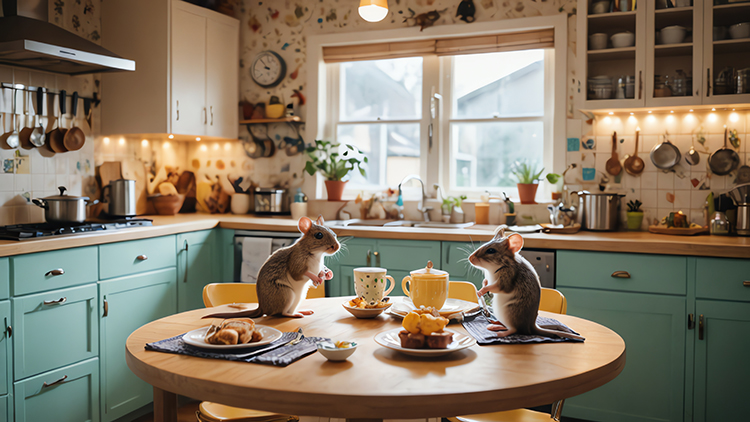
    rat,mouse on kitchen close up animal portrait

    Protect Your Home from Mice, Rats, and Other Pests 

    Unwanted pests like mice and rats can cause more than a fright — they damage property and spread disease. Effective pest control strategies protect both your home and family’s health. By knowing what attracts pests and taking preventive steps, you can maintain a cleaner, safer environment.

    Why Rodent and Pest Control Matters

    Mice, rats, and other rodents reproduce quickly. They can contaminate food, damage insulation, and negatively affect indoor air quality. Effective pest control stops infestations before they start. It also helps prevent potential health hazards, including allergens and pathogens.

    Sealing cracks, storing food in airtight containers, and maintaining a tidy home are essential steps in keeping rodents away. These preventive measures make your home less attractive to pests.

    Practical, research-based guidance on preventing pests and managing rodents is available through the Environmental Protection Agency (EPA). The EPA provides strategies for identifying entry points and stopping rodent infestations before they become serious.

    Controlling rodents is also crucial for health. Rodents can carry and spread diseases such as hantavirus, leptospirosis, and salmonella. Taking proactive steps helps protect your family and maintain a safer living environment.

    Proven Steps for Effective Pest Control

    Preventing infestations is always easier than dealing with them later. Try these simple, practical steps to keep rodents out:

    • Check for Entry Points Around the House: Look for gaps near doors, pipes, vents, and foundations. Remember, rodents can squeeze through holes as small as a dime.
    • Store Food Carefully: Keep grains, pet food, and snacks in airtight containers to reduce temptations for pests.
    • Remove Hiding Spots: Declutter basements, garages, and storage areas. Rodents love cozy, hidden spaces.
    • Try Humane Traps: Catch-and-release traps or ultrasonic repellents are safe, non-toxic ways to manage rodents.
    • Keep Outdoor Areas Tidy: Trim bushes, remove debris, and keep mulch away from your home’s foundation to reduce shelter for pests.

    You can also explore additional rodent prevention strategies through the Environmental Protection Agency’s Pest Management Resources.

    Safe and Effective Pest Control Strategies

    Chemical baits can work, but they may be risky for children and pets. Luckily, there are several safe, eco-friendly options that help manage rodents and other pests without harsh chemicals.

    • Peppermint Oil Spray: Rodents dislike the strong scent of peppermint. Apply it along baseboards, entryways, or other areas they frequent.
    • Steel Wool Barrier: Durable and non-toxic, steel wool can fill holes, cracks, and gaps where rodents might enter.
    • Humane Trap: Catch-and-release traps remove rodents safely. They’re easy to use and effective for small infestations.
    • Rodent-Repellent Light: Motion-activated or LED lights discourage rodents from dark areas like garages, basements, or sheds.
    • Ultrasonic Device: These emit high-frequency sounds rodents find unpleasant while staying safe for humans and pets.

    These eco-friendly methods are simple to use, reduce chemical exposure, and pair well with green cleaning routines.

    Seasonal and Regional Pest Control Strategies

    Keeping your home pest-free takes ongoing attention. Seasonal and regional factors affect the types of pests you may encounter, so it’s important to stay proactive.

    Seasonal Considerations

    • Fall and Winter: Rodents often move indoors for warmth. Inspect attics, basements, and garages for possible entry points.
    • Spring and Summer: Ants, flies, and mosquitoes become more active. Keep trash bins sealed and fix leaky faucets to reduce water sources.

    Regional Challenges

    • Humid Areas: Moist environments attract mold, termites, and ants. Use dehumidifiers and repair leaks promptly. 
    • Dry Areas: Rodents and spiders are more common. Keep plants and debris away from the house to remove potential shelters.

    Additional Techniques

    • Regular Inspections: Check your home monthly for droppings, gnawed wires, or burrows.
    • Integrated Pest Management (IPM): Combine sanitation, repairs, and safe repellents for long-term results. The EPA IPM Guide is a helpful reference.
    • Professional Monitoring: In some regions, seasonal pest treatments can prevent outbreaks before they start.

    By combining eco-friendly solutions with seasonal awareness and ongoing inspections, you can keep your home cleaner, safer, and more comfortable all year.

    Did You Know? Why Cockroach Prevention Matters

    Keeping cockroaches out of your home isn’t just about cleanliness — it’s about staying healthy. Cockroaches can spread bacteria like Salmonella and E. coli, which may contaminate food and kitchen surfaces. They also leave behind droppings and shed skin that can trigger asthma and allergies, especially in children and older adults.

    Even a few cockroaches can quickly turn into a large infestation since they multiply fast and hide in warm, dark areas. Taking steps to prevent them now — by keeping things dry, sealing small cracks, and maintaining a tidy space — helps protect your family’s health and comfort in the long run.

    For more helpful information and safe prevention tips, visit the National Center for Healthy Housing (NCHH) Cockroach Resource.

    When to Call a Pest Control Expert

    Persistent droppings, scratching sounds in walls, or chewed wires are signs you may need professional help. Experts can:

    • Identify hidden entry points
    • Apply targeted pest removal strategies
    • Remove infestations efficiently

    Hiring a reputable service protects your home and family while ensuring humane and environmentally safe solutions.

    For extra guidance, the National Pest Management Association offers resources on safe, effective pest control.  If problems persist, contacting a licensed pest control professional ensures long-term safety.

    Frequently Asked Questions About Pest Control

    What’s the safest way to control pests indoors?

    The safest approach is to use eco-friendly methods such as peppermint oil sprays, steel wool barriers, humane traps, and rodent-repellent lights. These natural solutions help keep your home pest-free without exposing your family or pets to harsh chemicals.

    How can I keep rodents from getting inside my home?

    Start by sealing cracks and gaps around doors, windows, and pipes. Store food in airtight containers, clear away clutter where rodents might nest, and keep outdoor areas tidy to discourage entry.

    Do ultrasonic pest repellents really work?

    Ultrasonic devices can help deter certain rodents and insects, but they’re most effective when combined with preventive measures like sealing entry points and keeping your home clean.

    When should I call a professional pest control service?

    If you notice persistent droppings, scratching sounds in the walls, or chewed wires, it’s time to bring in a professional. Licensed experts can identify entry points, remove infestations safely, and help prevent future problems.

    Do pests become more active during certain seasons?

    Yes, they do. Rodents often move indoors during fall and winter to escape the cold, while insects like ants, flies, and mosquitoes are more active in spring and summer. Adjust your pest control approach based on the season.

    Can my landscaping affect pest control?

    Absolutely. Keeping bushes and trees trimmed back from your house, removing yard debris, and avoiding dense ground cover near your foundation all make your property less inviting to pests.

    Is integrated pest management (IPM) really necessary?

    IPM can be very effective, but you don’t need a complex plan to see results. By focusing on cleanliness, sealing entry points, and using safe deterrents, homeowners can manage most pest problems naturally and efficiently.

    Take Control of Your Home’s Pest Safety

    Maintaining a pest-free home protects your health, safety, and property. By implementing regular pest control practices, keeping your home clean, sealing entry points, and using safe, eco-friendly deterrents, you can prevent infestations before they start. Whether you tackle small issues yourself or call a professional for persistent problems, taking proactive steps ensures a healthier, safer, and more comfortable living environment for you and your family.

    Explore our Home and Environment Section section for practical, effective strategies to safeguard your home and family.  Follow us on Facebook and Instagram for daily inspiration. Subscribe to our newsletter for curated content and practical ideas for healthy living.

    This post may contain affiliate links. If you click a link and make a purchase, Healthy Living – Today may earn a small commission at no additional cost to you. We only feature products, programs, or services we’ve researched and believe may support a healthy lifestyle. Prices are subject to change and may vary from what’s listed. This content is for informational purposes only and is not intended as medical advice. Individual results may vary, and we do not guarantee any specific outcome.

  • Thriving in your 40s

    Thriving in your 40s

    The image depicts a family, consisting of parents, a child, and a dog, strolling together on a sunny beach, relishing in the movement, connection, and beauty of nature.

    Redefining Balance in a Busy Decade

    Your 40s can feel like life’s fast lane, full of responsibility, growth, and change. Careers often peak, families need your energy, and time feels more precious than ever. But amidst all the commitments, this decade also offers something powerful: clarity. You know what matters most, and now is the perfect time to align your habits with your long-term health. Simple daily habits, like practicing mindfulness, can help you stay centered, reduce stress, and focus on what truly matters.

    Creating steady routines in your 40s isn’t about changing everything at once. It’s about making thoughtful, practical choices that help you feel strong, focused, and resilient. This is the decade to protect your energy, stay ahead of stress, and build a foundation that will support your health and well-being well into your 50s and 60s.

    Stay Strong and Move with Intention

    Movement in your 40s is about strength with purpose, not extremes. You don’t need marathon workouts or hours in the gym. What you do need is consistency and variety that keeps you feeling capable in your daily life.

    Smart Movement Goals for Your 40s

    Strength Training

    Building lean muscle two to three times a week helps offset natural muscle loss and support bone health. Research shows that regular resistance training can slow the age-related decline in strength and mobility.

    Mobility Work

    Stretching, yoga, or short mobility sessions keep your joints flexible and prevent stiffness, while also calming the mind and reducing stress. For simple routines that fit a busy schedule, explore our guide to starting your fitness journey.

    Cardiovascular Fitness

    Heart-healthy movement, like cycling, brisk walks, dance classes, or swimming, can lower the risk of cardiovascular disease and improve overall energy levels.

    Functional Movement

    Focusing on balance and coordination in everyday activities like carrying groceries, playing with your kids, or walking your dog helps improve stability and maintain independence as you age.

    To stay motivated, choose activities that fit your lifestyle, not the other way around. The goal is to feel strong and energized enough to do what you love, not exhausted from trying to do it all.

    Nutrition That Fuels Busy Days

    Between juggling work, family, and everyday responsibilities, eating well can feel like another task on the list. But how you nourish yourself right now plays a big role in your energy, mood, and metabolic health. Studies link higher protein intake in midlife to better aging outcomes and physical performance

    Here’s what works really well in your 40s:

    • Protein at every meal helps preserve lean muscle and supports steady energy. For many in midlife, aiming for ~1.0–1.2 g of protein per kilogram of body weight is beneficial.
    • Fiber-rich foods, like vegetables, fruits, beans, and whole grains, do more than support digestion—they also help keep blood sugar levels steady. For balanced, budget-friendly meal ideas that prioritize fiber and blood sugar control, explore our go-to guide: Balanced, Budget-Friendly Recipes for Blood Sugar Control.
    • Healthy fats, like avocado, olive oil, nuts, and salmon, aren’t just delicious; they’re essential for hormone balance and brain health. Discover the truth behind common dietary myths in our eye-opening blog Dietary Myths Debunked.
    • Consistent hydration: drinking water throughout the day helps your body and mind stay more resilient.

    If your schedule feels tight, batch cooking is one of the most reliable ways to stay on track. It takes stress out of the evenings and ensures your meals support your well-being. For tips, check out Stress Less, Nourish More: The Art of Batch Cooking.

    Rest, Recharge, and Manage Stress Proactively

    Work deadlines, family responsibilities, and digital distractions often lead to one major sacrifice—Rest. And yet, recovery is what allows your energy, focus, and creativity to thrive. Sometimes the best changes are those that you incorporate into your day-to-day routine. Instead of trying to do everything at once, consider each day to be a gentle invitation to support your body, calm your mind, and build habits that actually feel beneficial. Over time, these changes have lasting results. 

    Protect your rest with these habits

    Fuel your body well

    Including healthy fats like avocado, olive oil, nuts, and salmon can support hormone balance and brain health. 

    Ground yourself when stress hits

    You don’t need fancy rituals—these five simple grounding exercises are practical and effective for real life.

    Breathe, stretch, and digest

    This trio, breathe, stretch, and digest, really is interconnected. In Part 1,  Breathe, Stretch, Digest and Part 2, we explore how gentle movement plus awareness can improve digestion and ease stress.

    Choose tools that support mindfulness

    The Headspace meditation app is a go-to for quiet moments, while the Mindfulness Coloring Book for Adults gives you a screen‑free, creative pause.

    Take micro-breaks

    Short pauses to breathe deeply, stand, or stretch throughout the day prevent mental fatigue and support focus.

    Prioritize Downtime Without the Guilt

    Your mind and body need this time to perform their best. Chronic stress in your ’40s can quietly affect blood pressure, hormones, and mental health. Setting healthy limits, like stepping away from social media, practicing mindfulness, or scheduling non-negotiable breaks, helps restore balance before burnout hits.

    Stay Ahead with Preventive Care

    Your ’40s are the decade to go from reactive to proactive when it comes to your health. Routine checkups and early screenings can reveal areas to strengthen long before symptoms appear.

    Ask your healthcare provider about:

    • Annual physical exams and blood panels
    • Thyroid, hormone, and cholesterol checks
    • Mammograms, Pap smears, or prostate screenings
    • Skin checks and eye exams
    • Bone density assessments, especially if there’s a family history of osteoporosis

    Regular movement, smart nutrition, quality sleep and recovery, and preventive screenings create a powerful quartet for protecting your long-term vitality. Think of these habits as your personal insurance plan for a healthier, easier transition into your next decade.

    Create an Environment That Supports You

    Create an Environment That Supports You

    Wellness isn’t just about what you eat or how often you exercise; it’s also deeply connected to your surroundings. The space you live and work in can either deplete your energy or help you recharge. Creating an environment that supports your well-being doesn’t have to mean a full renovation. Here are some simple ways to make your space work for you:

    Start your day with intention

    Before reaching for your phone, open the curtains, take a few deep breaths, and soak up some natural light. Morning light helps regulate your circadian rhythm, improve mood, and set a calm tone for the day. The benefits of morning light explain why this small habit is so powerful.

    Make your workspace feel good to be in

    Whether you’re working from home or at an office, a cluttered or poorly designed space can leave you feeling drained. Keep things ergonomic, add personal touches, and reduce visual chaos to boost your focus and ease tension. Our blog on Simple Ways to Improve Your Office offers practical tips that support both your productivity and your peace of mind.

    Turn your home into a place of recovery

    Your home should be a space where you can truly rest and connect with yourself and with others. Think cozy lighting, spaces for meaningful conversations, and quiet moments of stillness. If your home doesn’t feel that way yet, Building a Healthy Home Environment from the Inside Out can help you reimagine it.

    Pay attention to the air you breathe

    We often focus on food and water quality, but indoor air matters just as much. Poor air quality can lead to fatigue, allergies, and even anxiety. Learn more in our guide: What Is Indoor Air Quality, and Why Does It Matter?

    Reduce toxins where you can

    From cleaning supplies to furniture, many everyday items can contain hidden chemicals. But you don’t need to feel overwhelmed; our blog on 10 Steps to a Toxin-Free Living Space breaks it down in a manageable way.

    Creating a healthy space that supports your health and wellness is less about making it perfect and more about paying attention to what matters most to you and your family. Whether you bring in more sunlight, swap out synthetic fragrances, or just declutter a single drawer, each change adds up. Healthy living no longer feels like a chore when your environment is calm, clean, and aligned with your values.

    Building Momentum for What’s Next

    Your 40s are not a time to slow down. They are a powerful opportunity to lay the groundwork for your future well-being. This is your time to reinforce the habits that will make your 50s and 60s feel strong, capable, and full of vitality. Each decision, like choosing a balanced meal, lifting weights twice a week, or going to bed on time, compounds over time.

    Think of this decade as your wellness bridge, connecting youthful drive with long-term confidence. By strengthening your health now, you’re not only preparing for what’s ahead; you’re making your ’40s the most balanced, empowered years yet.

    Visit our Personal Care section for trusted supplements, meal tips, and wellness tools. Sign up today for our newsletter and follow us on Facebook and Instagram for wellness ideas for your whole family. 

    Ready for the next step? Continue your journey with Healthy Aging in Your 50s: Balancing Health, Energy, and Lifestyle to see how your foundation today supports thriving in the years to come.

    This post may contain affiliate links. If you click a link and make a purchase, Healthy Living – Today may earn a small commission at no additional cost to you. We only feature products, programs, or services we’ve researched and believe may support a healthy lifestyle. Prices are subject to change and may vary from what’s listed. This content is for informational purposes only and is not intended as medical advice. Individual results may vary, and we do not guarantee any specific outcome.
  • Top 10 Plants for Air Purification

    Top 10 Plants for Air Purification

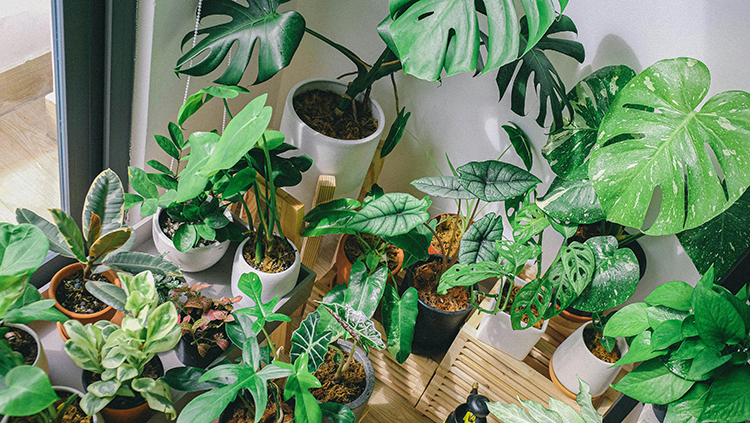
    Green leaf plants

    Improve Your Home Environment Naturally 

    Indoor air quality has a big impact on your health, comfort, and overall well-being. Plants for air purification can naturally remove toxins, increase oxygen, and help maintain healthy humidity levels. Adding these plants to your home not only freshens the air but also creates a calmer, more inviting space for you and your family.

    Why Plants for Air Purification Matter

    Most people don’t realize that indoor air can be more polluted than outdoor air, often containing chemicals released from cleaning products, furniture, paint, and electronics. These airborne pollutants can contribute to headaches, allergies, fatigue, and respiratory irritation over time.

    Plants for air purification provide a natural solution. Through a process called phytoremediation, certain plants absorb toxins like benzene, formaldehyde, and xylene through their leaves and roots, helping to clean the air inside your home. Many of these plants also boost humidity, which can be especially helpful in dry indoor environments, and create a sense of calm and connection to nature.

    By incorporating these plants, you can improve air quality, support respiratory and mental health, and enhance your home’s overall atmosphere. Even a few strategically placed plants can make your living space feel fresher, brighter, and more relaxing.

    Plant Summary

    PLANTCONTAMINANTS REDUCEDCARE / TIPS
    1Spider Plant (Chlorophytum comosum) formaldehyde, xylene, toluene, carbon monoxideeasy to care for, thrives in indirect sunlight, tolerates a range of temperatures, grows well in hanging baskets
    2Snake Plant (Sansevieria trifasciata)formaldehyde, benzene, xylene, toluene, nitrogen oxides, trichloroethylenelow-maintenance; tolerates low light and infrequent watering; place in bright, indirect sunlight when possible; produces oxygen at night, making it ideal for bedrooms
    3Peace Lily (Spathiphyllum)formaldehyde, benzene, trichloroethylene, xylene, ammoniakeep it in shaded areas with consistent moisture, remember to wipe the leaves to remove dust
    4Boston Fern (Nephrolepis exaltata)formaldehyde, xylenethrives in high humidity and indirect light, mist the fronds regularly to keep them healthy
    5Aloe Vera (Aloe barbadensis miller)formaldehyde, benzeneprovide bright, indirect sunlight and minimal watering; provides soothing gel for minor skin irritations
    6Areca Palm (Dypsis lutescens)formaldehyde, xylene, tolueneplace it in bright, indirect light; water regularly, and avoid drafts; adds humidity to dry indoor air
    7English Ivy (Hedera helix)formaldehyde, benzene, xylene, toluenerequires moderate sunlight and regular watering, grow it in hanging baskets or as a trailing vine
    8Rubber Plant (Ficus elastica)formaldehydeplace it in bright, indirect light; water moderately; wipe leaves periodically to maximize air-cleaning benefits
    9Bamboo Palm (Chamaedorea seifrizii)formaldehyde, benzene, trichloroethylene, xyleneprefers bright, indirect light and moist soil; water consistently
    10Golden Pothos (Epipremnum aureum)formaldehyde, benzene, xylene, toluenelow-maintenance and tolerant of low light, water moderately and allow soil to dry slightly between watering

    For those who want to explore the research behind plant-based air purification, here are several key studies:

    Plants for Air Purification:  Key Takeaways

    Bringing air-purifying plants into your home is an easy and effective way to boost indoor air quality and create a healthier environment. These plants naturally filter toxins, balance humidity, and enhance overall well-being when given proper care.

    Some of the best options include the Spider Plant, Snake Plant, Peace Lily, Boston Fern, Aloe Vera, Areca Palm, English Ivy, Rubber Plant, Bamboo Palm, and Golden Pothos. Each offers unique benefits and thrives in different light and humidity conditions, so it’s worth matching the right plant to each room.

    For best results, place your plants where they can circulate clean air effectively — such as near windows or in high-traffic areas. Always check specific care instructions, and if you have pets or allergies, choose non-toxic varieties to keep your home both beautiful and safe.

    Plants for Air Purification:  FAQs

    Do air-purifying plants really improve indoor air quality?

    They sure can! Many plants help remove toxins, boost oxygen, and cut down on pollutants. Just remember — they work best alongside good ventilation and regular cleaning, not as a total replacement.

    Which plant is easiest to care for?

    If you’re just starting out, go with a Snake Plant or Golden Pothos. They’re tough, forgiving, and don’t mind a little neglect or low light.

    Can pets safely be around these plants?

    Some plants, like Peace Lily, English Ivy, and Aloe Vera, can be toxic if your cat or dog decides to take a bite. It’s always smart to double-check plant safety before bringing new greenery home.

    How many plants do I need to improve air quality?

    NASA’s research suggests having about one or two medium-sized plants per 100 square feet. Of course, adding more not only helps the air but also makes your space feel calmer and more alive.

    Where should I place air-purifying plants?

    Put them in spots where you spend a lot of time — like living rooms, bedrooms, or your home office. Good light helps them thrive, and hanging baskets or shelves are great for saving space and keeping air flowing.

    Making the Most of Your Air-Purifying Plants

    Understanding how these plants support cleaner air is only part of the picture. Choosing the right ones for your space and giving them consistent care can help you see the biggest benefits.  Even a few plants can make your home feel fresher and calmer. By incorporating these top air-purifying plants into your home, you can naturally improve indoor air quality, enhance your well-being, and create a healthier, more vibrant living space.

    Explore our Home and Environment section for additional information on indoor air quality. Follow us on Facebook and Instagram for daily inspiration. Subscribe to our newsletter for curated content and practical ideas for healthy living.

    This post may contain affiliate links. If you click a link and make a purchase, Healthy Living – Today may earn a small commission at no additional cost to you. We only feature products, programs, or services we’ve researched and believe may support a healthy lifestyle. Prices are subject to change and may vary from what’s listed. This content is for informational purposes only and is not intended as medical advice. Individual results may vary, and we do not guarantee any specific outcome.

  • Top Supplements for Aging Gracefully

    Top Supplements for Aging Gracefully

    Photo of supplements

    Science-Backed Nutrients and Supplements to Support Healthy Aging

    Aging is natural, but most of us want to age with strength, clarity, and energy. Alongside diet, exercise, and lifestyle habits, supplements for aging gracefully can help maintain bone, brain, and heart health. There is no single “anti-aging pill.” However, research shows that certain nutrients may support vitality and reduce age-related decline.

    Top 5 Supplements for Healthy Aging at a Glance

    1. Vitamin D + Calcium + K2 – Supports strong bones and immunity
    2. Omega-3 Fatty Acids (EPA/DHA) – Promotes heart and brain health
    3. CoQ10 (Ubiquinol) – Boosts energy and cardiovascular function
    4. Collagen Peptides – Supports skin, joints, and connective tissues
    5. Curcumin (Turmeric Extract) – Fights inflammation and oxidative stress

    These supplements appear most often in studies on healthy aging nutrients and are backed by science.

    Why Supplements Matter for Aging Gracefully

    Healthy aging is about more than living longer. It means staying strong, independent, and mentally clear. Supplements can:

    Key Supplements for Aging Gracefully

    1. Vitamin D (with Calcium and K2)

    2. Omega-3 Fatty Acids (EPA/DHA)

    3. Coenzyme Q10 (CoQ10 / Ubiquinol)

    • Why it matters: CoQ10 fuels energy in mitochondria, protects heart health, and reduces fatigue. Statin medications can lower CoQ10, so supplementation benefits many older adults.
    • Evidence: Clinical trials show CoQ10 improves cardiovascular resilience.
    • Tip: Use the ubiquinol form for better absorption in older adults.

    4. Collagen Peptides

    5. Curcumin (Turmeric Extract)

    6. Fisetin (Senolytic Flavonoid)

    7. HMB (β-Hydroxy β-Methylbutyrate)

    8. Magnesium (Especially Mg L-Threonate)

    9. Multivitamins & Broad Micronutrient Support (for men, for women)

    • Why it matters: Many older adults struggle to meet nutrient needs through diet alone. Multivitamins can fill gaps.
    • Evidence: The NIH highlights vitamin D, calcium, and B12 as particularly important for older adults.
    • Tip: Avoid megadoses. Choose a reputable, third-party tested brand.

    The Importance of Choosing Third-Party Tested Supplements

    When choosing supplements for aging gracefully, selecting third-party tested brands is essential for safety, purity, and effectiveness. Third-party testing means that an independent laboratory has verified the product’s ingredients, ensuring it contains exactly what the label claims — without harmful contaminants like heavy metals, pesticides, or fillers. This added level of transparency helps protect consumers from misleading marketing and low-quality formulations, which are especially important for older adults who may be more sensitive to impurities or incorrect dosages. Trusted third-party seals, such as USP, NSF, or ConsumerLab, give confidence that the supplements meet high standards for quality and consistency — supporting your health goals as you age.

    FAQs on Supplements for Aging Gracefully

    What is the #1 supplement for aging gracefully?

    There isn’t one single supplement that works best for everyone. However, vitamin D (often paired with calcium and K2) is widely recognized for supporting bone strength and immune health. Omega-3 fatty acids are also known to promote overall heart and brain wellness.

    Do supplements really slow aging?

    Supplements can’t reverse or stop aging, but certain nutrients may help maintain energy, mobility, and skin health as part of a balanced lifestyle. When combined with good nutrition, regular activity, and self-care, they can support how well you age.

    Should older adults take multivitamins?

    Multivitamins can be beneficial if your diet doesn’t always provide enough essential nutrients. They help fill everyday nutritional gaps, but they work best alongside a varied, nutrient-rich eating plan.

    Are supplements marketed for aging safe?

    Supplements marketed for aging can be safe when used correctly, but quality and effectiveness vary widely. Because supplements aren’t strictly regulated by the FDA, it’s important to choose reputable brands that use third-party testing and to read ingredient labels carefully. Some ingredients — like omega-3s, vitamin D, and CoQ10 — are well studied and generally safe, while others may lack solid evidence or interact with medications. Always consult your healthcare provider before starting any supplement, especially if you take prescriptions or have chronic health conditions.

    Can supplements replace diet and exercise?

    No. Supplements are meant to complement — not replace — healthy habits.  A balanced diet, regular movement, restorative sleep, and stress management are all essential for aging well. 

    By combining high-quality supplements with consistent lifestyle choices and informed guidance, you can support your body’s natural vitality and well-being through every stage of life.

    Key Takeaways for Aging Gracefully

    While supplements can play a valuable role in supporting longevity and vitality, they work best when paired with a healthy lifestyle. Nutrients such as vitamin D, omega-3s, CoQ10, collagen, and curcumin have some of the strongest evidence for promoting healthy aging. To maximize their benefits, combine supplementation with regular exercise, restorative sleep, proper hydration, and a balanced diet. Always check for possible interactions or dosage concerns — especially if you’re taking prescription medications. It’s also wise to test your blood levels before beginning new supplements and to reassess them periodically. Most importantly, consult a healthcare professional before starting any supplement regimen to ensure it aligns with your individual health needs.

    Explore our Healthy Aging section for expert insights on staying healthy, active, and independent in later years. Follow us on Facebook and Instagram for daily inspiration. Subscribe to our newsletter for curated content and practical ideas for healthy living.

    This post may contain affiliate links. If you click a link and make a purchase, Healthy Living – Today may earn a small commission at no additional cost to you. We only feature products, programs, or services we’ve researched and believe may support a healthy lifestyle. Prices are subject to change and may vary from what’s listed. This content is for informational purposes only and is not intended as medical advice. Individual results may vary, and we do not guarantee any specific outcome.