Author: Healthy Living – Today

  • Smart Snacking with Diabetes

    Smart Snacking with Diabetes

    Healthy Snacking with Diabetes: Simple Tips and Delicious Ideas for Balanced Blood Sugar

    Simple Tips and Delicious Ideas for Balanced Blood Sugar

    Managing diabetes doesn’t mean sacrificing the pleasure of eating–smart snacking with diabetes is about making thoughtful choices that keep you energized and balanced. Diabetes-friendly snacks can play an important role in this equation, bridging the gap between meals and helping to stabilize blood sugar levels. The key to smart snacking is finding options that not only meet nutritional needs but also satisfy cravings in a way that feels enjoyable and sustainable.

    Snacking with diabetes is more than just curbing hunger. It’s about selecting low-GI snacks that work with your body, balancing carbohydrates with protein and healthy fats to prevent sudden spikes or crashes in blood sugar. While it might sound daunting at first, smart snacking for diabetes becomes second nature when you have a few reliable options to turn to.

    What to Look for in a Snack

    When choosing snacks, it’s important to focus on a few essential qualities. The best snacks for managing blood sugar are those that:

    • Provide Fiber: Fiber slows digestion, keeping blood sugar levels steady.
    • Contain Protein: Protein helps you feel full and sustains energy between meals.
    • Include Healthy Fats: Unsaturated fats, such as those in avocados or nuts, support heart health and provide lasting energy.
    • Have a Low Glycemic Index (GI): Low-GI foods release sugar more gradually into the bloodstream.
    • Stick to Reasonable Portions: Small, measured servings prevent overconsumption while delivering necessary nutrients.

    Snack Ideas to Keep You Satisfied

    Healthy snacks don’t have to be boring or complicated. These diabetes-friendly snack ideas are versatile and delicious, making them easy to fit into your day whether you’re at home or on the go. From creamy and crunchy to savory and sweet, there’s something here for every craving while supporting your health goals.

    1. Greek Yogurt with Berries. A quick, nutrient-packed snack that’s rich in protein and probiotics. Top plain Greek yogurt with fresh berries for natural sweetness and antioxidants.
    2. Veggies and Humus. Colorful vegetables like carrots, celery, and bell peppers pair perfectly with hummus for a fiber-filled, low-GI option.
    3. Roasted Chickpeas. Crispy and protein-rich, roasted chickpeas are easy to make at home with a just a little olive oil and seasoning.
    4. Apple Slices with Nut Butter. This classic combination of fiber-rich apples and protein-packed almond or peanut butter makes for a balanced, satisfying snack.
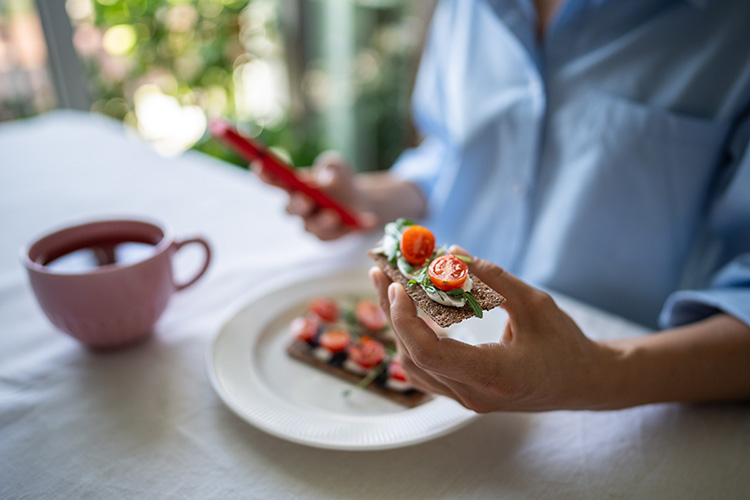
    5. Cottage Cheese with Tomatoes or Cucumber. Low-fat cottage cheese paired with fresh veggies is refreshing and nutrient-dense. Add a sprinkle of black pepper or fresh herbs for extra flavor.
    6. Avocado and Whole-Grain Crackers. Avocado is packed with healthy fats and fiber, making it an ideal topping for whole-grain crackers.
    7. Air-popped Popcorn. A light yet filling snack, popcorn is high in fiber and can be seasoned with nutritional yeast or cinnamon for variety.

    Why These Snacks Work

    The secret behind these healthy snack choices lies in their nutritional balance. Fiber slows the release of glucose into the bloodstream, while protein and healthy fats provide staying power to keep you full and focused. Together, these elements help maintain blood sugar stability, avoiding the highs and lows that can make managing diabetes challenging.

    Understanding the Impact of Timing on Blood Sugar

    When you snack is just as important as what you snack on. Strategic timing can help stabilize blood sugar levels and prevent sudden drops or spikes. Aligning snacks with your body’s natural rhythms ensures each choice is more effective, whether maintaining energy or preparing for activity.

    • Mid-Morning and Mid-Afternoon: These times are ideal for balancing energy levels between meals.
    • Before Exercise: A small, balanced snack can fuel your body for physical activity while preventing hypoglycemia.
    • Before Bed: For those who experience low blood sugar overnight, a light snack with protein and complex carbs may help maintain stable levels.

    Addressing Common Snacking Mistakes

    While healthy snacking is a great tool for managing diabetes, some common missteps can undermine your efforts. A little awareness can help you avoid frequent errors and keep your health journey on track.

    • Skipping Snacks Altogether: Skipping snacks can lead to low blood sugar and overeating at your next meal. Consistent, balanced snacking helps maintain energy and glucose levels.
    • Choosing “Healthy” Snacks with Hidden Sugars: Packaged snacks labeled as “healthy” or “natural” may still contain added sugars. Always check the nutrition label and ingredient list.
    • Over-Snacking: Even healthy snacks can add up. Stick to recommended portion sizes to avoid excess calories and carbs.
    • Ignoring Protein: Snacks without protein may not keep you full for long. Combine carbs with protein or healthy fats for lasting energy.
    • Not Planning Ahead: Grabbing snacks on the go often leads to less healthy choices. Preparing your snacks in advance helps you stay on track.

    Making Snacking Easy and Stree-Free

    Smart snacking for diabetes starts with a little preparation. Planning ahead takes the guesswork out of snacking and makes every decision easier. With some effort upfront, snacking can seamlessly support your goals.

    • Keep Healthy Staples on Hand: Stock your pantry and fridge with options like fresh produce, whole-grain crackers, and unsalted nuts.
    • Pre-Portion Snacks: Divide larger packages into smaller containers to help with portion control.
    • Choose Simple Combinations: Pair basic foods like fruits with protein or healthy fats for a quick, balanced snack.
    • Stay Hydrated: Drinking water or unsweetened tea can sometimes ward off unnecessary snacking.

    Practical Snack Prep and Storage Tips

    Making smart snacking easy often comes down to preparation. Having the right snacks ready to go can make all the difference, especially when hunger strikes. Here are some practical tips to help you stay on track:

    • Batch Prep Weekly: Dedicate time each week to prepare snacks like portioning out nuts, chopping fresh vegetables, or making a batch of roasted chickpeas.
    • Use Clear Containers: Store prepped snacks in clear containers so they’re easy to see and grab quickly.
    • Invest in Reusable Bags: Portable and eco-friendly snack bags make it easier to carry healthy options wherever you go.
    • Freeze for Convenience: Freeze single portions of foods like Greek yogurt bark, smoothies, or cottage cheese for easy grab-and-go options.
    • Create a Snack Zone: Organize a specific spot in your fridge or pantry for diabetes-friendly snacks to avoid reaching for less healthy options.
    • Label and Rotate: Clearly label snack portions with preparation dates and prioritize older items to reduce waste.

    Take the Guesswork Out of Snacking

    Snacking with diabetes doesn’t have to feel like a challenge. With the right approach, it becomes an opportunity to fuel your body in a way that’s both enjoyable and beneficial. By focusing on nutrient-dense snacks and planning ahead, you can turn snacking into a supportive part of your daily routine.

    For more tips and tools, explore the Food & Nutrition section at Healthy Living – Today! Your healthier snacking journey starts here.


    This post may contain affiliate links. If you click a link and make a purchase, Healthy Living – Today may earn a small commission at no additional cost to you. We only feature products, programs, or services we’ve researched and believe may support a healthy lifestyle. Prices are subject to change and may vary from what’s listed. This content is for informational purposes only and is not intended as medical advice. Individual results may vary, and we do not guarantee any specific outcome.

  • Simple Mindfulness Practices

    Simple Mindfulness Practices

    Simple Mindfulness Practices Backed by Science for Everyday Life

    Mindfulness has become a buzzword in recent years, but its roots go back centuries, and its benefits are anything but fleeting trends. At its core, mindfulness is simply the practice of paying attention to the present moment without judgment. It’s not about meditating for hours or embracing a new lifestyle. Instead, simple minfdfulness practices are about making small, meaningful changes to how we engage with the world around us.

    Science has shown that mindfulness is not just for those seeking inner peace. It has practical, measurable benefits for everyday life, from improving mental clarity to reducing stress. Let’s explore how simple mindfulness practices can make a difference for anyone, regardless of experience or background.

    What is Mindfulness?

    Mindfulness is the act of focusing your attention on the present moment. It involves observing your thoughts, feelings, and surroundings without trying to change or judge them. It is about slowing down and becoming aware of what is happening right now.

    In plain terms, mindfulness can help us deal with the demands of daily life. Whether it is staying calm in traffic or enjoying a quiet moment at home, mindfulness enables us to approach situations with a clear and balanced mind.

    Why Mindfulness Matters: The Science

    Research has uncovered a wealth of benefits associated with mindfulness. Here are just a few science-backed findings:

    • Reduces Stress: A study published in Frontiers in Human Neuroscience found that mindfulness practices can reduce stress by decreasing cortisol levels and promoting emotional balance, making it an effective tool for managing daily challenges.
    • Improves Focus:  According to a study published in Scientific Reports, mindfulness training can enhance sustained attention and cognitive function, allowing individuals to better maintain focus and manage distractions.
    • Supports Physical Health: A review published in the North American Journal of Medical Sciences highlights how Mindfulness-Based Stress Reduction (MBSR) can benefit patients managing chronic conditions such as diabetes, high blood pressure, and chronic pain. This approach is shown to help people cope better with physical challenges and improve their overall well-being.

    Simple Practices to Get Started

    You do not need to sit cross-legged or chant mantras to practice mindfulness. Here are some practical, approachable ways to begin:

    • Mindful Breathing. Take a moment to focus on your breath. Sit in a comfortable position, close your eyes if you like, and breathe in deeply through your nose. Count to four as you inhale, then exhale slowly for another four counts. Repeat this for a minute or two. This simple practice can help reduce stress and center your mind.
    • Mindful Observation. Pick an everyday object, like a cup of coffee or a favorite photo, and spend a few moments observing it. Notice the texture, color, and any feelings it brings. This exercise can ground you in the present and bring a sense of calm.
    • Mindful Walking. Next time you take a walk, leave your phone behind and focus on the rhythm of your steps, the feel of the ground beneath you, and the sounds of your surroundings. Even a five-minute walk can be refreshing when done mindfully.
    • Mindful Eating. Before taking your next bite, pause to notice the aroma, color, and texture of your food. Take small bites, chew slowly, and savor each flavor. This can enhance your enjoyment of meals and even help with digestion.
    • Body Scan. At the end of the day, lie down or sit comfortably and mentally “scan” your body. Start at the top of your head and work your way down to your toes, noticing any tension or discomfort without judgment. This practice promotes relaxation and awareness.

    Mindfulness in Everyday Situations

    Mindfulness is not just something to practice in quiet moments. It can easily fit into various aspects of your daily life:

    • During Commutes. Whether you are driving or riding public transit, mindfulness can help reduce stress and improve focus. Pay attention to the sounds, sights, and sensations around you. Instead of reacting to traffic or delays with frustration, take slow breaths and focus on remaining calm.
    • In Conversations. Practice truly listening to others. Put away distractions like your phone and focus on the speaker’s words, tone, and expressions. This helps you connect more deeply and respond thoughtfully.
    • At Work. Use mindfulness to improve productivity and reduce stress. Take short breaks to focus on your breath, stretch, or simply look away from your screen. During meetings, stay present by actively engaging and avoiding multitasking.
    • Before Bed. Spend a few minutes reflecting on the day. Focus on what went well, or practice a short breathing exercise to clear your mind and prepare for restful sleep.

    Getting Started with Mindfulness: Common Questions

    If you are new to mindfulness, you might have a few questions or wonder where to begin. Here are straightforward answers to the questions many people ask when they are getting started.

    Question: Do I Need to Meditate to Be Mindful?
    Answer: No, mindfulness does not require formal meditation. While meditation is one way to practice mindfulness, simple activities like mindful breathing, walking, or eating can be just as effective.

    Question: What If I Get Distracted?
    Answer: Distractions are normal, especially when starting out. The key is to gently bring your focus back to the present moment without judgment. Over time, this becomes easier with practice.

    Question: How Much Time Should I Spend on Mindfulness Each Day?
    Answer: Even a few minutes a day can make a difference. Start small and gradually increase the time as you feel comfortable. Consistency matters more than duration.

    Question: Is Mindfulness a Religious Practice?
    Answer: While mindfulness has roots in spiritual traditions, it is a secular practice backed by science. It focuses on awareness and presence, which are universal concepts.

    Question: What If I Am Not Good at It?
    Answer: Mindfulness is not about being good or perfect. It is a practice, which means it is about progress, not mastery. Every effort counts, and the benefits come with time and consistency.

    How to Make Mindfulness a Habit

    Consistency is key to reaping the benefits of mindfulness. Here are some tips to help you incorporate it into your daily life:

    • Start Small: Begin with just one practice for a few minutes a day. Gradually increase the time as it becomes more comfortable.
    • Set Reminders: Use everyday moments, like brushing your teeth or waiting in line, as cues to practice mindfulness.
    • Use Helpful Tools: Apps like Calm and Headspace provide structured mindfulness exercises, reminders, and tools for relaxation, making it easier to build a daily habit.
    • Stay Curious: Approach mindfulness with an open mind. There is no “right” way to do it, so find what works best for you.

    A Better Way to Be Present

    Mindfulness is not about perfection or a complete overhaul of your lifestyle. It is about making small, intentional choices to engage more fully with the world around you. These simple practices can improve your focus, reduce stress, and enhance your overall quality of life.

    By taking just a few minutes each day to be mindful, you may find that life becomes a little clearer, a little calmer, and a little more enjoyable. Start small, stay consistent, and see where mindfulness can take you.

    For more tools, resources, and insights, visit Healthy Living – Today and explore ways to bring mindfulness into your everyday life. Your journey to greater calm and clarity begins here.


    This post may contain affiliate links. If you click a link and make a purchase, Healthy Living – Today may earn a small commission at no additional cost to you. We only feature products, programs, or services we’ve researched and believe may support a healthy lifestyle. Prices are subject to change and may vary from what’s listed. This content is for informational purposes only and is not intended as medical advice. Individual results may vary, and we do not guarantee any specific outcome.

  • What is Indoor Air Quality, and Why Does It Matter?

    What is Indoor Air Quality, and Why Does It Matter?

    What is Indoor Air Quality, and Why Does It Matter?

    When was the last time you thought about the air you breathe? While we often focus on eating right, staying hydrated, or getting enough sleep, indoor air quality (IAQ) is just as important but usually gets overlooked. IAQ refers to how clean and safe the air is inside our homes, workplaces, and other buildings. Even though we can’t see it, the air we breathe can significantly impact our health, comfort, and overall well-being. 

    Have you ever woken up with a scratchy throat or felt stuffy and congested? The quality of your air could be the reason. Even small changes in the air quality can have big impacts on your health, from triggering allergies to your overall energy levels. So how can you recognize poor air quality–and what can you do about it?

    What Is Indoor Air Quality?

    Indoor air quality is a measure of how clean and healthy the air is inside your home, office, or other indoor space. It can greatly affect your health and comfort. It’s determined by factors like:

    • Allergens and Dust: Dust, pollen, pet dander, and mold spores are common indoor particles that can irritate your respiratory system. These allergens can trigger sneezing, coughing, itchy eyes, and other discomforts, particularly those with existing allergies or asthma.
    • Viruses and Bacteria: Airborne pathogens, including viruses and bacteria, can spread through poorly ventilated spaces or areas with inadequate air filtration. They pose risks to your health, from causing seasonal illnesses to exacerbating chronic respiratory conditions.
    • Humidity Levels: High humidity encourages mold, mildew, and dust mites, which can lead to respiratory issues and allergies. Too little humidity can dry out your skin, eyes, and nasal passages, worsening conditions like eczema or sinus irritation. 
    • Chemicals from Products: Some household items, including paints, flooring, furniture, cleaning supplies, and even some air fresheners release volatile organic compounds or VOCs. These gases can cause irritation to your eyes, nose, and throat and may lead to headaches or fatigue after prolonged exposure.
    • Ventilation:  Poor ventilation allows pollutants, stale air, and CO2 to accumulate, making your indoor environment feel stuffy and uncomfortable. Inadequate airflow can also trap moisture, leading to lingering odors and humidity issues.

    Understanding these factors is key to recognizing how indoor air quality impacts your health and daily life.

    Why Does Indoor Air Quality Matter?

    The air inside your home or workplace directly affects your health, energy, and overall quality of life. Poor indoor air quality isn’t just uncomfortable – it can impact how well you sleep, your ability to focus, and even your long-term well-being.

    For example, poor ventilation or an imbalance in humidity can lead to stagnant, unhealthy environments. Over time, exposure to indoor pollutants–like allergens and VOCs–can cause fatigue, headaches, and respiratory issues. These effects are especially pronounced for people with asthma, allergies, or other sensitivities.

    On the other hand, clean, fresh air contributes to better focus, deeper sleep, and a more energized, productive day. Indoor air quality isn’t just about comfort – it’s a foundation for a healthier, happier home and family life.

    Signs of Poor Indoor Air Quality

    If your indoor air quality isn’t where it should be, it often shows up in subtle ways. Pay attention to these common signs that might signal a problem:

    • Frequent Sneezing or Coughing: Allergens and irritants in the air can trigger these reactions, particularly in people with sensitivities.
    • Scratchy Throat or Dry Eyes: Low humidity, airborne particles, or chemical irritants may be the culprit.
    • Lingering Odors: Poor ventilation can trap unpleasant smells and prevent fresh air from circulating, creating a stale or stuffy environment.
    • Visible Mold or Excess Dust: Mold growth often indicates high humidity, while an accumulation of dust can signal inadequate cleaning or filtration.
    • Fatigue or Headaches: Extended exposure to pollutants, such as VOCs, can drain your energy, cause discomfort, and make it harder to concentrate.
    • Frequent Illnesses: Poor air circulation and inadequate filtration can allow viruses and bacteria to linger, increasing the likelihood of colds, respiratory infections, or seasonal illnesses.
    • Increased Allergies or Asthma Symptoms: Worsening respiratory issues may indicate an imbalance in air quality.

    Recognizing these signs is the first step in addressing poor air quality. If you notice multiple signs, it’s worth taking action to identify and reduce the underlying causes.

    How to Improve Indoor Air Quality

    Improving your indoor air quality doesn’t have to be overwhelming. Simple, focused adjustments can make a significant difference:

    • Keep It Clean: Regularly dust and vacuum your home to minimize allergens like dust mites, pollen, and pet dander. A vacuum with HEPA filtration, like the Shark NV360 Navigator Lif-Away, ensures pollutants are effectively removed.
    • Control Humidity: Maintain humidity levels between 30-50% using a humidifier or dehumidifier depending on your needs. A humidifier like the LEVOIT LV600S can help achieve ideal indoor conditions.
    • Bring in Fresh Air: Open windows when weather permits or use exhaust fans in high-moisture areas like bathrooms and kitchens. For more advanced solutions, consider options like energy recovery ventilators (ERVs) or consult a professional like PRK Williams Building Group to explore ways to improve fresh air circulation. 
    • Choose Safer Products: Opt for low-VOC paints, cleaning supplies, and furnishings to reduce chemical exposure. Look for GREENGUARD Gold-certified products for safer, low-emission options.
    • Adopt Advanced Solutions: High-quality air purification systems, such as the SONA systems offered by Healthy Spaces, are designed to effectively reduce indoor pollutants like allergens, VOCs, and odors. These systems are easy to install, low-maintenance, and energy-efficient, offering a dependable way to support cleaner, healthier air in any indoor space.

    By addressing these areas, you can create a healthier and more inviting indoor environment. 

    Practical Tips for Specific Areas

    Each area of your home has unique challenges when it comes to air quality. Here’s how to address them effectively:

    • Bedrooms: Use hypoallergenic bedding and wash sheets often to minimize allergens. For added air quality protection, the SONA Mobion from Healthy Spaces is an excellent choice for smaller spaces like bedrooms.
    • Bathrooms: Always run exhaust fans during and after showers to reduce humidity and prevent mold. For added protection, monitor moisture levels with a hygrometer like the ThermaPro TP50.
    • Kitchens: Ventilate properly while cooking to remove smoke and odors. If you don’t have a range hood, a portable option like the Hampton Bay Twin Window Fan can help improve air circulation and reduce lingering cooking odors.
    • Living Rooms: Keep carpets, rugs, and upholstery clean, as they can trap dust, allergens, and pet hair. Consider rearranging furniture periodically to reduce trapped debris in less accessible areas and regularly clean high-touch surfaces to minimize the buildup of particles.

    Tackling these specific areas helps create a healthier environment in every part of your home.

    Take Control of Your Air

    Indoor air quality plays a vital role in your daily life, even if it’s not something you actively think about. By making a few changes–like using air purifiers, controlling humidity, and keeping your space clean–you can create a healthier, happier home for yourself and your loved ones.

    For more tips and tools, explore the Home & Environment section at Healthy Living – Today! Your healthier home starts here.


    This post may contain affiliate links. If you click a link and make a purchase, Healthy Living – Today may earn a small commission at no additional cost to you. We only feature products, programs, or services we’ve researched and believe may support a healthy lifestyle. Prices are subject to change and may vary from what’s listed. This content is for informational purposes only and is not intended as medical advice. Individual results may vary, and we do not guarantee any specific outcome.