Author: Healthy Living – Today

  • Lifestyle Changes To Prevent Disease

    Lifestyle Changes To Prevent Disease

    Elderly Woman in White Shirt Using Walking Sticks

    Everyday Actions for a Healthier Tomorrow

    Adopting lifestyle changes to prevent disease doesn’t have to be overwhelming. Consistent adjustments in daily routines — like improving your diet, staying active, and prioritizing sleep — can have a profound impact on long-term health. By making sustainable changes today, you’re investing in a healthier tomorrow.  For science-backed guidance, check out the CDC’s guide to chronic disease prevention.

    Eat a Balanced, Nutrient-Rich Diet

    A diet rich in fruits, vegetables, whole grains, lean proteins, and healthy fats is essential for disease prevention. This diet provides vitamins, minerals, and antioxidants that support immune function and reduce inflammation. Limiting processed foods, added sugars, and excess salt can lower the risk of heart disease, diabetes, and certain cancers.  Find healthy recipes in our Food & Nutrition section.

    Tips for success:

    • Fill half your plate with vegetables and fruits.
    • Choose whole grains over refined grains.
    • Opt for lean proteins like fish, beans, and poultry.
    • Cook at home more often to control ingredients.

    Stay Physically Active

    Regular physical activity is another key to lifestyle changes to prevent disease. Exercise strengthens the heart, supports healthy weight, improves mental health, and reduces the risk of chronic conditions. The CDC recommends at least 150 minutes of moderate-intensity aerobic activity per week, plus muscle-strengthening exercises twice weekly.

    Ideas to get moving:

    Pro tip: Combining movement with social activities — like walking with friends — can improve both physical and mental well-being.

    Prioritize Sleep and Stress Management

    Quality sleep and stress management are essential for overall health. Poor sleep increases the risk of obesity, diabetes, and cardiovascular disease, while chronic stress can weaken the immune system. Aim for 7–9 hours of sleep per night and adopt techniques such as mindfulness, meditation, or journaling.  Learn more about the importance of sleep from Harvard Medical School.

    Quick wins for better sleep and stress control:

    Daily Habits That Make a Difference

    Even practical lifestyle changes to prevent disease — like drinking more water, taking the stairs, or practicing gratitude — can compound over time. Consistency matters more than perfection. Every positive choice contributes to long-term wellness.

    Tip: Keep a habit tracker to stay accountable and celebrate progress.

    Explore our Healthy Aging section for expert tips, practical tools, and actionable advice to support wellness, longevity, and an active lifestyle at every stage of life. Follow us on Facebook and Instagram for daily inspiration. Subscribe to our newsletter for curated content and practical ideas for healthy living.

    This post may contain affiliate links. If you click a link and make a purchase, Healthy Living – Today may earn a small commission at no additional cost to you. We only feature products, programs, or services we’ve researched and believe may support a healthy lifestyle. Prices are subject to change and may vary from what’s listed. This content is for informational purposes only and is not intended as medical advice. Individual results may vary, and we do not guarantee any specific outcome.

  • The Benefits of Morning Light

    The Benefits of Morning Light

    A person sitting outdoors at sunrise with arms raised, celebrating after a morning workout in natural light.

    Morning Light Can Improve Your Mood, Energy, and Focus

    You wake up groggy, hit snooze a few times, and shuffle into a quiet kitchen with the lights still off. It’s a routine many of us know well. However, it leaves out the benefits of morning light. Starting the day in dim light can make it harder to feel alert and ready to go. Without a strong signal from your environment, your body may stay in sleep mode longer than it needs to, making it more difficult to shift into gear for the day ahead.

    Your brain takes its cues from light, especially early in the day. When you step outside or let natural light in through a window, it sends a message to your internal clock that it’s time to be awake and focused. That exposure to morning light helps regulate your energy levels, supports a more stable mood, and can even improve how well you sleep at night. These effects build over time, shaping how you feel and function throughout the day.

    You don’t need to overhaul your mornings to experience the benefits of morning light. Just a few minutes of exposure after waking can help you feel more balanced, more focused, and better prepared to take on the day ahead.

    Why Morning Light Matters for Your Body and Mind

    Your body’s internal clock, or circadian rhythm, depends on light cues to regulate when you feel awake and when you feel sleepy. When morning light enters your eyes, it helps guide these signals, lowering melatonin, raising cortisol in a healthy pattern, and supporting neurotransmitters tied to mood and focus. Research on dawn-like light exposure has shown that gradual morning light is associated with higher cortisol levels in the morning after waking and improved mood, compared to dim or artificial blue light conditions.

    Evidence shows that consistent exposure to natural light during the day is linked to improved mood, stronger memory, and better sleep quality. Beyond general exposure, certain wavelengths have been shown to play a role as well, with blue-enriched morning light improving alertness and mood in as little as an hour.

    These findings highlight the many benefits of morning light, showing it does more than help you wake up. It reinforces the body’s natural rhythm, supports better energy throughout the day, and contributes to a clearer, more balanced state of mind.

    How to Add Morning Light Into Your Routine

    • Open the blinds as soon as you wake up. Letting natural light fill your kitchen or bedroom helps signal to your body that the day has started. If your mornings are dark or you don’t have a sunny window, a light therapy lamp like the Carex Day-Light Classic Plus can provide the same bright, full-spectrum light to get you going.
    • Step outside for a few minutes. Drinking your coffee on the porch, walking the dog, or stretching outdoors for even 5–10 minutes can make a real difference. When that’s not possible, a smaller lamp like the Verilux HappyLight Luxe is easy to keep on a counter or desk for a quick morning boost.
    • Bring light into your workspace. Position your desk near a bright window if possible, and let natural light support your focus. When daylight is limited, a tool such as the Verilux 2-in-1 Light Therapy Task Desk Lamp provides both functional desk lighting and therapeutic brightness to help you stay energized through the morning.
    • Keep it consistent. The first hour after waking is the most powerful time to get light exposure. Whether it’s through a sunny window, a few minutes outside, or a lamp, aim to make it a regular part of your routine.

    The Long-Term Benefits of Morning Light

    The benefits of morning light are most noticeable right away, you feel more awake, focused, and ready for the day. The impact builds with consistency. Over weeks and months, steady exposure to morning light in the early part of the day strengthens your circadian rhythm in ways that extend beyond sleep and energy.

    Research shows that well-aligned rhythms support metabolic health, help regulate appetite, and even play a role in cardiovascular and immune function. These deeper connections explain why consistent morning light exposure has lasting effects on overall health, not just how alert you feel after waking up.

    Morning light habits also help buffer seasonal and lifestyle challenges. People who spend more time outdoors in the summer report stronger mood and sleep–wake patterns compared to the darker winter months, when limited daylight often contributes to lower energy and reduced well-being. Making morning light part of your year-round routine helps anchor your circadian rhythm across seasons.

    Start Brighter, Live Better

    Morning light acts like a natural reset button for your body. Even a short dose in the first hour after waking helps shake off grogginess, steadies your energy, and makes it easier to wind down at night. The benefits of morning light come from small shifts in your existing routine, not from adding something new.

    Open the curtains while you make coffee, step outside for a few minutes, or use a therapy lamp when the sky is gray. These simple actions help keep your body’s rhythm on track, supporting sharper focus, steadier mood, and more reliable sleep. The key is consistency. Commit to a morning light exposure habit that fits your lifestyle, and those few minutes each day will add up to lasting benefits for both your mind and your body.

    Explore our Sleep & Recovery and Mental Health & Well-Being sections for more ways to support your circadian rhythm. Follow us on Facebook and Instagram for everyday ideas to stay balanced. Subscribe to our newsletter for curated content and practical ideas for healthy living.

    This post may contain affiliate links. If you click a link and make a purchase, Healthy Living – Today may earn a small commission at no additional cost to you. We only feature products, programs, or services we’ve researched and believe may support a healthy lifestyle. Prices are subject to change and may vary from what’s listed. This content is for informational purposes only and is not intended as medical advice. Individual results may vary, and we do not guarantee any specific outcome.

  • Take your Pickleball Game to the Next Level

    Take your Pickleball Game to the Next Level

    Pickleball player practicing on an outdoor court, building strength and agility with a workout plan to improve game performance.

    Smart Pickleball Workout Plan

    Pickleball is more than a game. It is a social and enjoyable sport that enhances balance, coordination, and cardiovascular health. A thoughtfully designed pickleball workout plan can reduce the risk of injuries, increase endurance, and help you play comfortably, whether on a community court or with family in the driveway.

    Injuries are common in pickleball, particularly among players over 50. Sprains, strains, and fall-related fractures occur frequently. Research shows that proper warm-ups, cross-training, and selecting the right paddle can reduce these risks and help you stay active and safe. Implementing a pickleball workout plan improves performance while protecting your body from common injuries.

    Pick the Right Pickleball Paddle to Reduce Injuries

    Choosing the right pickleball paddle reduces strain on your wrists and elbows while boosting control and confidence. By combining warm-ups, dynamic drills, strength circuits, and cool-downs with proper hydration and sun protection, you create a holistic routine that supports both performance and wellness. This approach ensures you stay active, connected, and confident while enjoying every game safely.

    For guidance on grip size, weight, and material, refer to our How to Choose the Right Pickleball Paddle guide. Recommended paddles include:

    Onix Z5 Series Pickleball Paddle

    • Entry-level paddle ideal for beginners
    • Focuses on control and comfort for a simple, enjoyable experience
    • Welcoming option for seniors and casual players

    Paddletek Bantam EX-L Pickleball Paddle

    • All around best paddle for beginners, intermediate and advanced play
    • Balanced power and control for confident play
    • Durable design and comfortable grip for families and older adults
    • Ideal for recreational play and improving overall fitness

    Selkirk Vanguard Control Invikta Pickleball Paddle

    • Lightweight paddle for everyday play
    • Provides dependable control and comfort for recreational matches
    • Affordable option for casual play and wellness-focused activity

    Why Follow a Pickleball Workout Plan?

    Even if you play weekly or daily, cross-training and targeted conditioning are essential to reduce fatigue and improve performance. A well-rounded pickleball workout plan can:

    • Enhance joint stability and core strength
    • Boost footwork, speed, and lateral movement
    • Support faster recovery and longer playing sessions

    You can support your game both on and off the court by pairing this routine with the appropriate gear, hydration, and recovery tools.

    Smart Pickleball Workout Plan

    Pickleball Warm-Up Exercises

    A proper warm-up (5-7 minutes) prepares your body for movement, improves paddle control, and lowers the risk of injury. Focus on dynamic motions for your shoulders, neck, hips, and legs.

    Pickleball Agility Drills for Court Movement

    Dynamic Court Drills involve short bursts of movement that mimic real gameplay. Practicing these motions improves footwork, balance, and reaction time. Together, the videos linked below give you a routine (10–15 minutes) for developing pickleball agility and endurance.

    Strength Exercises

    Pickleball Strength Exercises for Power and Endurance (3 rounds) target the core, legs, shoulders, and arms. They build stability and power while reducing the risk of injury.

    Cool Down Routine

    A Pickleball Cool Down Routine for Recovery and Flexibility (5 minutes) aids in recovery and flexibility while helping you relax mentally. Focus on hamstring, wrist, and shoulder stretches with deep breathing to reset your body and mind.

    Hydration and Recovery Tips for Pickleball Players

    Maintaining hydration and proper recovery is critical for peak performance and injury prevention.

    The Takeaway: Play Smart, Train Smarter

    Pickleball is fun, social, and excellent for physical and mental health. A consistent pickleball workout plan strengthens your body, enhances agility, and reduces injuries. Choosing a paddle suited to your style, as detailed in our How to Choose the Right Pickleball Paddle guide protects your wrists and elbows while improving control and confidence.

    By combining warm-ups, dynamic drills, strength circuits, and cool downs with hydration and sun protection, you create a complete routine that supports performance and well-being. Whether playing with family, friends, or in community matches, this approach keeps you active, connected, and confident. It ensures that every game is enjoyable and injury-free.

    Explore our Fitness and Exercise section for more wellness tips. Follow us on Facebook and Instagram. For daily inspiration. Subscribe to our newsletter for curated content and practical ideas for healthy living.

    This post may contain affiliate links. If you click a link and make a purchase, Healthy Living—Today may earn a small commission at no additional cost to you. We only feature products, programs, or services we’ve researched and believe may support a healthy lifestyle. Prices are subject to change and may vary from what’s listed. This content is for informational purposes only and is not intended as medical advice. Individual results may vary, and we do not guarantee any specific outcome.
  • Cleaner, Healthier Air with SONA Air Purification

    Cleaner, Healthier Air with SONA Air Purification

    Air ducts showing in an upscale apartment

    Why SONA Air Purification Stands Out for Homes and Businesses

     In our post-COVID world, we’ve all become more aware of the air we breathe, especially indoors. Enter SONA Air Purification technology, a breath of fresh air in the world of indoor air quality. Our friends at Healthy Spaces, recognizing how clean air contributes to overall wellness, have developed this innovative product line to improve air quality in a wide range of indoor spaces.

    Here’s something to consider — we spend up to 90% of our time indoors. The quality of air in these spaces significantly impacts our health, productivity, and comfort. SONA Air Purification addresses this often-overlooked aspect of our environment by providing a comprehensive approach to air purification that goes beyond traditional filtration methods.

    Why SONA Stands Out

    • Nature-Inspired Cleaning: SONA mimics nature’s air-cleaning process, generating ions similar to those created by crashing waves and sunlight — without adding harmful artificial chemical scents.
    • Comprehensive Purification: SONA tackles bacteria, viruses, mold spores, odors, dust, dander, smoke, and outdoor pollutants.
    • Advanced DBD (Dielectric Barrier Discharge) Technology: SONA’s proprietary cold plasma technology produces long-lasting ions, outperforming traditional air purifiers.

    How SONA Works

    SONA’s technology operates on several advanced processes to keep your air fresh and healthy:

    • Virus Reduction: The ions disrupt pathogens’ surface proteins, rendering them inactive and unable to replicate.
    • Ion Generation: As air passes over the SONA cell, it produces millions of positively and negatively charged oxygen ions.
    • Particle Agglomeration: These ions combine with airborne particles, creating a snowball effect called agglomeration. This makes particles easier to capture in your HVAC system’s filter.
    • VOC Breakdown: SONA breaks down the molecular structure of volatile organic compounds (VOCs).
    • Odor Elimination: Pet, cooking, bathroom, and other odors are broken down into harmless compounds at their source.
    • Particulate Removal: SONA increases the weight of particulates, causing them to drop out of the breathing zone.

    Versatile Applications

    SONA’s design makes it suitable for a wide range of environments:

    • Residential Homes: Helps maintain cleaner air and reduce common indoor particles for a more comfortable living environment.
    • Office Spaces: Supports fresher air and a pleasant atmosphere for those working in shared spaces.
    • Healthcare Facilities: Assists in maintaining cleaner air in areas where hygiene is a priority.
    • Educational Institutions: Contributes to a comfortable learning environment with improved air freshness.
    • Hospitality Venues: Enhances the overall guest experience by reducing odors and maintaining a welcoming atmosphere.
    • Industrial Settings: Helps address air quality concerns related to certain manufacturing environments.

    In each setting, SONA adapts to specific air quality needs, delivering a tailored solution that addresses the unique challenges of the space.

    Eco-Friendly Benefits

    A SONA Air Purification System helps maintain cleaner indoor air while reducing the need for outside air intake, potentially lowering energy costs. The system itself uses minimal energy — comparable to a standard light bulb.

    Healthy Spaces Product Line

    Healthy Spaces offers three SONA Air Purification models:

    • SONA Mobion:  A portable, plug-and-play unit ideal for personal spaces such as bedrooms, offices, vehicles, or travel use.
    • SONA Ducty HS: Perfect for homes and small to medium-sized businesses.
    • SONA Ducty QS: Ideal for large-scale applications in factories and commercial buildings.

    All models feature easily replaceable cells (typically replaced annually) and come with an industry-leading 10-year warranty, reflecting Healthy Spaces’ commitment to durability and performance.

    Choose SONA from Healthy Spaces

    The Healthy Spaces Team is dedicated to solutions that improve lives. By choosing SONA, you’re not only investing in cleaner air but also supporting a company that pledges a significant portion of profits to causes benefiting people with disabilities.

    Transform your indoor environment with SONA — the advanced solution for cleaner, healthier air. Contact Healthy Spaces today to discover how SONA can revolutionize your air quality and boost your overall well-being.

    Breathe easier and live healthier with SONA Air Purification technology, available through Healthy Spaces.

    Explore our Home and Environment section for expert tips, product recommendations, and step-by-step resources to help you make informed decisions about the spaces you live in. Follow us on Facebook and Instagram for daily inspiration. Subscribe to our newsletter for curated content and practical ideas for healthy living.

    This post may contain affiliate links. If you click a link and make a purchase, Healthy Living – Today may earn a small commission at no additional cost to you. We only feature products, programs, or services we’ve researched and believe may support a healthy lifestyle. Prices are subject to change and may vary from what’s listed. This content is for informational purposes only and is not intended as medical advice. Individual results may vary, and we do not guarantee any specific outcome.

  • The Importance of Regular Health Screenings

    The Importance of Regular Health Screenings

    Wife Taking the Blood Pressure of her Husband

    Essential Screenings for Aging Gracefully 

    Maintaining your health as you age is essential, and health screenings play a crucial role. Regular check-ups help identify potential health issues early, allowing for timely intervention and better management of chronic conditions. By staying proactive, you can enjoy a longer, healthier, and more active life.

    Why Health Screenings Matter

    Health screenings detect diseases before symptoms appear, making early intervention possible. From high blood pressure to diabetes or certain cancers, identifying issues early often leads to more effective treatment and better outcomes. Preventive care empowers you to make informed lifestyle decisions and reduces the risk of complications as you grow older.

    Key Screenings for Older Adults

    1. Blood Pressure Checks

    High blood pressure is a leading cause of heart disease and stroke. Regular monitoring can help prevent complications. At-home blood pressure monitors provide a convenient way to track readings between doctor visits and share accurate data with your healthcare provider.

    2. Cholesterol and Diabetes Screening

    Elevated cholesterol and blood sugar levels increase the risk of heart disease and type 2 diabetes. Home test kits for cholesterol and glucose make it easy to monitor these key markers, helping you stay proactive about your cardiovascular and metabolic health.

    3. Cancer Screenings

    Regular screenings for breast, prostate, colorectal, and skin cancers can catch abnormalities early. Early detection improves treatment success rates and can save lives, making these exams a cornerstone of health screenings for healthy aging.

    4. Vision and Hearing Assessments

    Eye exams help detect glaucoma, cataracts, and other age-related conditions. Hearing screenings, whether through simple apps or at-home devices, can identify changes early, ensuring timely professional evaluation. Blue light glasses can also reduce eye strain from digital devices, supporting long-term vision health.

    5. Fitness and Wellness Tracking

    Monitoring your overall activity and heart health is part of preventive care. Wearable fitness trackers can track heart rate, steps, and sleep quality, providing valuable insights for managing health and maintaining a proactive approach to aging.

    SCREENINGRECOMMENDED AGEFREQUENCYPURPOSEAT-HOME TOOLS / TIPS
    BLOOD PRESSURE40+ (earlier if at risk)At least once a year, more often if elevatedDetect & manage high blood pressure to reduce heart disease and stroke riskUse an at-home blood pressure monitor to track readings, share with your health care provider
    CHOLESTEROL40-75Every 4-6 years, sooner if at riskIdentify elevated cholesterol to prevent heart diseaseUse an at-home cholesterol test for convenient monitoring between doctor visits
    DIABETES35+ (earlier if at risk)Every 3 years or as advisedIdentify elevated blood sugar to prevent type 2 diabetesUse an at-home glucose test for convenient monitoring between doctor visits
    BREAST CANCER40+ (woman)Every 1-2 yearsEarly detection of cancer for better treatment options
    PROSTATE CANCER50+ (men)As advisedEarly detection of cancer for better treatment options
    COLORECTAL CANCER45-75Colonoscopy every 10 years or stool based annuallyEarly detection of cancer for better treatment options
    SKIN CANCERAll adultsSelf-checks monthly, professional exam every 1-2 yearsEarly detection of cancer for better treatment options
    VISION50+Every 1-2 yearsDetect glaucoma, cataracts, and age-related conditions for better treatment optionsUse blue light glasses to reduce eye strain
    HEARING50+Every 1-3 years or as recommendedDetect hearing loss early for better treatment optionsConsider at-home hearing tests
    FITNESS & WELLNESSAll adults (focus after 40)Daily tracking, review weekly / monthly trendsMonitor heart health, activity, and sleep to maintain wellnessUse wearable fitness trackers to track steps, heart rate, and sleep;  make lifestyle adjustments as needed

    Benefits of Regular Health Screenings

    • Early Detection: Identify health issues before symptoms appear for timely treatment.
    • Chronic Disease Management: Keep existing conditions under control and prevent complications.
    • Peace of Mind: Knowing your health is monitored can reduce anxiety and promote well-being.
    • Better Quality of Life: Preventive care supports continued independence and vitality.

    When to Contact Your Doctor

    While at-home monitoring is valuable for tracking your health trends, certain readings and symptoms require immediate medical attention. Here are key warning signs to watch for:

    Blood Pressure Red Flags

    Contact your doctor immediately if:

    • Systolic pressure is 180 mmHg or higher, OR diastolic pressure is 120 mmHg or higher
    • You experience a severe headache, chest pain, difficulty breathing, or vision changes with elevated readings
    • Your blood pressure suddenly spikes above your normal range

    Schedule an appointment soon if:

    • Readings consistently show systolic pressure 140+ or diastolic pressure 90+
    • You notice a gradual upward trend in your numbers over several weeks

    Cholesterol Concerns

    Schedule an appointment if:

    • Total cholesterol rises above 240 mg/dL
    • LDL (“bad”) cholesterol exceeds 160 mg/dL
    • HDL (“good”) cholesterol drops below 40 mg/dL (men) or 50 mg/dL (women)

    Blood Sugar Warning Signs

    Seek immediate care if:

    • Blood glucose is over 400 mg/dL at any time
    • You experience symptoms like extreme thirst, frequent urination, nausea, or confusion

    Contact your doctor if:

    • Fasting glucose consistently reads 126 mg/dL or higher
    • Random glucose readings are frequently above 200 mg/dL
    • You notice unexplained fatigue, increased hunger, or slow-healing wounds

    Breast Cancer Signs

    Contact your doctor immediately if:

    • You find a new lump or mass in your breast or underarm area
    • You notice breast or nipple pain that doesn’t go away
    • There’s nipple discharge (especially if bloody or clear)
    • You observe skin changes like dimpling, puckering, or redness

    Schedule an appointment promptly for:

    • Changes in breast size or shape
    • Nipple turning inward when it wasn’t before
    • Persistent breast swelling or thickening

    Prostate Cancer Signs

    See your doctor if you experience:

    • Difficulty starting or stopping urination
    • Weak or interrupted urine flow
    • Frequent urination, especially at night
    • Blood in urine or semen
    • Pain or burning during urination
    • Persistent pain in back, hips, or pelvis

    Colorectal Cancer Signs

    Contact your doctor promptly for:

    • Blood in stool or rectal bleeding
    • Persistent changes in bowel habits (diarrhea, constipation, or stool consistency)
    • Persistent abdominal discomfort, cramps, or pain
    • Feeling that your bowel doesn’t empty completely
    • Unexplained weight loss
    • Persistent fatigue or weakness

    Skin Cancer Signs

    See a dermatologist promptly for:

    • New moles or spots that appear after age 30
    • Changes in existing moles (size, color, shape, texture)
    • Sores that don’t heal within 2-3 weeks
    • Any spot that bleeds, itches, or looks different from your other moles
    • Moles that follow the “ABCDE” rule: Asymmetry, Border irregularity, Color variation, Diameter larger than a pencil eraser, or Evolving/changing

    Vision Changes

    Contact your eye doctor if:

    • Sudden vision loss or significant vision changes
    • Persistent eye pain, seeing halos around lights, or sudden onset of floaters
    • Difficulty reading or recognizing faces

    Hearing Changes

    See an audiologist if:

    • You frequently ask people to repeat themselves
    • Family members comment on your hearing
    • You have ringing in your ears (tinnitus) that persists

    Fitness Tracker Alerts

    Consult your doctor if your wearable device shows:

    • Resting heart rate consistently above 100 or below 50 beats per minute
    • Irregular heart rhythms or frequent heart rate spikes during rest
    • Significant changes in sleep patterns or activity tolerance

    General Red Flags

    Regardless of your at-home readings, contact your healthcare provider immediately if you experience:

    • Chest pain or pressure
    • Severe shortness of breath
    • Sudden severe headache
    • Dizziness or fainting
    • Persistent unexplained fatigue
    • Sudden numbness or weakness, especially on one side of the body

    Remember: At-home monitoring supplements but never replaces professional medical care. When in doubt, it’s always better to contact your healthcare provider. Trust your instincts — you know your body best.

    Take Charge of Your Health

    Regular health screenings are more than routine appointments — they are a proactive strategy for long-term wellness. By combining professional screenings with supportive at-home tools like blood pressure monitors, cholesterol/glucose kits, hearing devices, blue light glasses, and fitness trackers, you can take control of your health and enjoy aging with confidence. Prioritizing these practices ensures you stay informed, active, and empowered at every stage of life.

    Explore our Healthy Aging section for expert tips, practical tools, and actionable advice to support wellness, longevity, and an active lifestyle at every stage of life. Follow us on Facebook and Instagram for daily inspiration. Subscribe to our newsletter for curated content and practical ideas for healthy living.

    This post may contain affiliate links. If you click a link and make a purchase, Healthy Living – Today may earn a small commission at no additional cost to you. We only feature products, programs, or services we’ve researched and believe may support a healthy lifestyle. Prices are subject to change and may vary from what’s listed. This content is for informational purposes only and is not intended as medical advice. Individual results may vary, and we do not guarantee any specific outcome.
  • Understanding Age-Related Sleep Changes

    Understanding Age-Related Sleep Changes

    Mature couple sleeping in bed at night. Man and woman resting comfortably on pillows under the covers in bedroom with lamp. Healthy sleep and relaxation.

    How to Feel Well-Rested at Any Stage of Life

    As we grow older, our sleep patterns naturally evolve. Understanding age-related sleep changes can help us maintain restorative sleep and feel well-rested at any stage of life. By learning how these changes occur and implementing supportive strategies, you can improve both sleep quality and overall well-being. Let’s explore the specific changes that happen to sleep as we age.

    What Are Age-Related Sleep Changes?

    Sleep undergoes several transformations as we age:

    • Earlier Sleep Onset: Older adults often feel sleepy earlier in the evening.
    • Increased Nighttime Awakenings: Waking during the night becomes more common.
    • Reduced Deep Sleep: Time spent in deep, restorative sleep decreases.
    • Changes in Sleep Timing:  As Circadian rhythms shift with age, many people naturally start waking up earlier in the morning.

    Recognizing these age-related sleep changes allows you to take proactive steps to maintain consistent, restorative sleep. With an understanding of these patterns, you can implement practical strategies to support better sleep.

    Strategies for Managing Age-Related Sleep Changes

    Even with natural changes in sleep, there are ways to support healthy sleep cycles:

    1. Keep a Consistent Sleep Schedule: Going to bed and waking up at the same time every day helps regulate your internal clock.
    2. Create a Calming Bedtime Routine: Activities like reading or gentle stretching can signal your body it’s time to sleep.
    3. Optimize Your Sleep Environment: A cool, dark, and quiet bedroom promotes better sleep.
    4. Limit Stimulants: Avoid caffeine, alcohol, and heavy meals close to bedtime.
    5. Stay Physically Active: Regular exercise improves sleep quality, but avoid vigorous activity right before bed.
    6. Seek Natural Light Exposure: Daylight helps regulate circadian rhythms, supporting healthier sleep patterns.
    7. Consult Healthcare Providers: Persistent sleep disturbances should be discussed with a medical professional.

    By combining these habits, you can create a foundation for more restful nights, regardless of age.

    Products That Support Sleep Across the Lifespan

    Integrating supportive products can make a real difference for those managing age-related sleep changes:

    Using these products alongside healthy sleep habits can help create an environment that supports restorative sleep at any age.

    Why Understanding Age-Related Sleep Changes Matters

    Recognizing and addressing age-related sleep changes helps you adapt your routines, environment, and lifestyle to maintain restorative sleep. By combining knowledge, habits, and supportive products, you can enjoy restful nights and wake up feeling energized, focused, and ready for the day ahead.

    Explore our Sleep and Recovery section to help you understand your sleep habits, improve your nightly rest, and create routines that support your well-being — no matter your age or lifestyle. Follow us on Facebook and Instagram for daily inspiration. Subscribe to our newsletter for curated content and practical ideas for healthy living.

    This post may contain affiliate links. If you click a link and make a purchase, Healthy Living – Today may earn a small commission at no additional cost to you. We only feature products, programs, or services we’ve researched and believe may support a healthy lifestyle. Prices are subject to change and may vary from what’s listed. This content is for informational purposes only and is not intended as medical advice. Individual results may vary, and we do not guarantee any specific outcome.

  • How to Improve Sleep Hygiene for Restorative Sleep

    How to Improve Sleep Hygiene for Restorative Sleep

    Woman in White Button Up Pajamas Journaling

    Practical Sleep Hygiene Strategies for Deeper Sleep 

    Achieving restorative sleep starts with understanding and practicing proper sleep hygiene. By following the strategies found in this article, you can improve your sleep quality, feel more energized, and support overall health at any stage of life.

    What Is Sleep Hygiene?

    Sleep hygiene is a habit and practices that promote consistent, restorative sleep. Sleep hygiene focuses on creating routines, optimizing your environment, and making lifestyle choices that support deep rest. Implementing these tips can help you maintain healthy sleep patterns, reduce nighttime awakenings, and feel refreshed each morning.

    1. Maintain a Consistent Sleep Schedule

    Going to bed and waking up at the same time every day helps regulate your body’s internal clock. Tools like the Philips SmartSleep Wake-Up Light can simulate natural sunrise and sunset, supporting your circadian rhythm and making it easier to stick to a consistent sleep schedule.

    2. Create a Relaxing Bedtime Routine

    A calming pre-sleep routine signals your body that it’s time to wind down. Try reading, gentle stretching, or meditation. Products like a SONA Mobion Air Purification System can improve bedroom air quality, making your environment more comfortable and conducive to restful sleep.

    3. Optimize Your Sleep Environment

    A cool, dark, and quiet bedroom is essential. Consider blackout curtains, a comfortable mattress, and supportive pillows. A weighted blanket can provide gentle pressure to enhance relaxation, while sleep masks block light for uninterrupted rest. Aromatherapy diffusers with lavender or chamomile can create a calming atmosphere, signaling to your body it’s time to sleep.

    4. Limit Screen Exposure Before Bed

    Blue light from phones, tablets, and computers can suppress melatonin, making it harder to fall asleep. Incorporate blue light glasses into your nightly routine to reduce eye strain and help your body prepare for deep rest.

    5. Be Mindful of Food and Drink

    Avoid caffeine, alcohol, and heavy meals close to bedtime. Opt for light, sleep-supportive snacks if needed, and stay hydrated throughout the day to prevent nighttime disruptions.

    6. Incorporate Physical Activity into Your Day

    Regular exercise improves sleep quality, reduces stress, and supports healthy circadian rhythms. Avoid intense workouts right before bed, and aim for morning or afternoon activity to help your body naturally wind down at night.

    7. Manage Stress and Relax Before Bed

    Stress and anxiety can disrupt sleep. Techniques like mindfulness, journaling, or gentle yoga can help you unwind. A white noise machine can also mask distracting sounds and promote uninterrupted sleep.

    Why Sleep Hygiene Matters

    Implementing effective sleep hygiene tips is not just about getting more hours of sleep — it’s about improving the quality of your rest. Healthy habits, a supportive environment, and targeted sleep products work together to enhance REM and non-REM sleep cycles, helping your body and mind recover fully each night.

    Explore our Sleep and Recovery section to help you understand your sleep habits, improve your nightly rest, and create routines that support your well-being — no matter your age or lifestyle. Follow us on Facebook and Instagram for daily inspiration. Subscribe to our newsletter for curated content and practical ideas for healthy living.

    This post may contain affiliate links. If you click a link and make a purchase, Healthy Living – Today may earn a small commission at no additional cost to you. We only feature products, programs, or services we’ve researched and believe may support a healthy lifestyle. Prices are subject to change and may vary from what’s listed. This content is for informational purposes only and is not intended as medical advice. Individual results may vary, and we do not guarantee any specific outcome.
  • Managing Gout Through Smart Nutrition

    Managing Gout Through Smart Nutrition

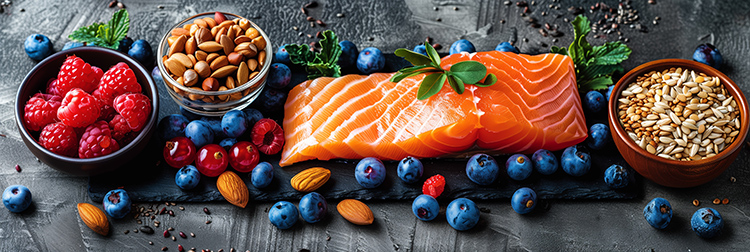
    Healthy spread of fresh salmon, berries, nuts, seeds, and whole grains arranged on a white background, highlighting nutrient-dense foods that support heart health, energy, gout and balanced nutrition.

    Eating Well with Gout

    Living with gout can be challenging, particularly when it comes to food choices. One wrong bite and a flare-up could leave you in serious pain. Managing gout through nutrition is not only possible, it’s a powerful way to support joint health and overall wellness.

    With the right dietary habits, many people find relief, balance, and even long-term improvement. This guide explores how proper nutrition plays a crucial role in controlling gout and how simple food choices can help you take charge of this often misunderstood condition.

    Understanding Gout and Its Triggers

    Gout is a type of inflammatory arthritis caused by high levels of uric acid in the blood, which can form crystals in the joints and lead to intense pain and swelling. The result? The big toe typically experiences sudden attacks of pain, swelling, redness, and tenderness.

    While genes and medications can contribute to gout, managing it through nutrition remains one of the most effective and manageable tools. Many modern diets are high in compounds that raise uric acid, such as sugar and alcohol. This trend has contributed to rising cases and underscores the importance of thoughtful food choices.

    The Worst Foods for Gout

    When managing gout through nutrition, knowing which foods not to eat is just as important as choosing the right ones. 

    Some foods are especially high in natural compounds that lead to uric acid buildup. Eating them regularly can increase your risk of painful flare-ups, so limiting or avoiding them can make a big difference in how you feel:

    Red Meat and Organ Meats

    Beef, lamb, and pork are all high in the compounds that form uric acid. Organ meats like liver, kidney, and sweetbreads are even more concentrated, making them a top trigger for gout attacks. While you don’t have to avoid red meat completely, keeping it as an occasional treat rather than a daily staple can help protect your joints.

    Shellfish and Certain Oily Fish

    Seafood like shrimp, crab, lobster, mussels, anchovies, sardines, and mackerel are well-known gout triggers. They contain high levels of the same crystal-forming compounds found in red meat and, in some cases, can cause symptoms to appear within hours.

    Sugary Drinks and Foods with High-Fructose Corn Syrup

    Soda, energy drinks, sweet teas, and even some fruit juices can drive uric acid levels up quickly, especially when they’re sweetened with high-fructose corn syrup. This type of sugar is metabolized in a way that increases waste buildup in the body, putting extra strain on your joints.

    Alcohol – Especially Beer

    Beer contains compounds that raise uric acid levels while also making it harder for your kidneys to flush the waste out. Wine and spirits can also contribute to flare-ups, but beer tends to be the most problematic. If you choose to drink, do so in moderation and try to pair it with plenty of water.

    Processed Snacks and Fast Foods

    While not always high in natural compounds, fried and highly processed foods often promote inflammation in the body. This can make gout symptoms worse and slow recovery after a flare-up. Burgers, fries, pizza, and packaged snack cakes are best kept to a minimum.

    By cutting back on these high-risk foods and drinks, you give your body a better chance to keep uric acid levels in check, and that means fewer flare-ups, less pain, and healthier joints for the long run. Knowing what to avoid is just as important as knowing what to eat.

    Foods That Help Lower Uric Acid

    The foundation of managing gout through nutrition is adding foods that help reduce uric acid and inflammation:

    Low-Fat Dairy

    Incorporating low-fat yogurt and milk may help reduce uric acid production while providing essential nutrients, making them a smart choice for those managing gout.

    Whole Grains and Complex Carbohydrates

    Whole grains like brown rice, quinoa, oats, and whole grain pasta provide fiber and important nutrients. If you have gout, keep oat portions small because oats contain moderate levels of natural compounds linked to uric acid production. Rice and whole grain pasta are usually better tolerated. Check labels for high fructose corn syrup, and choose intact whole grains to help keep blood sugar steady.

    Fresh Fruits and Vegetables

    Eating cherries may help reduce flare-ups. One study found that cherry consumption was associated with a 35% lower risk of gout attacks within two days, which points to the benefits of fresh fruits in supporting gout management. Vitamin C-rich fruits and vegetables like citrus, berries, and bell peppers also support uric acid excretion and kidney health.

    Water

    Proper hydration is essential for kidney function and helps the body efficiently flush uric acid. Drinking enough water each day is a simple but powerful tool in managing gout through nutrition.

    Do Cherries Really Help with Gout?

    Tart cherries have been studied for their anti-inflammatory properties and potential to reduce gout risk. Available in capsules or concentrates like Rejuvica Tart Cherry, tart cherry extract provides year-round support, even when fresh cherries aren’t available.

    Research suggests that compounds such as anthocyanins may help lower uric acid levels and promote joint comfort. Combined with hydration and a balanced diet, tart cherry extract can be a valuable part of a holistic approach to managing gout through nutrition.

    Natural Support Tools

    Beyond tart cherries, staying well-hydrated, managing body weight, and incorporating anti-inflammatory foods like berries, leafy greens, and fatty fish can all help create an environment that supports joint health and reduces the likelihood of gout flare-ups. 

    The DASH Diet and Gout

    The DASH diet (Dietary Approaches to Stop Hypertension) offers benefits beyond blood pressure, and it is also effective for managing gout through nutrition. The diet emphasizes:

    • Fresh produce
    • Whole grains
    • Lean proteins (like poultry, beans, and tofu)
    • Low sodium intake

    This balanced approach, which emphasizes fruits, vegetables, whole grains, lean proteins, and low-fat dairy, not only helps reduce uric acid levels but also supports heart health, blood pressure management, and overall wellness, making it easier to manage gout while maintaining a healthy lifestyle. 

    Smart Eating Strategies for Gout Relief

    Creating a meal that supports managing gout through nutrition doesn’t mean sacrificing flavor or variety. Quick tips include:

    • Fill half your plate with vegetables like spinach, carrots, or bell peppers
    • Add a serving of whole grains (quinoa, brown rice, or whole grain pasta)
    • Include a lean protein (grilled chicken, beans, tofu)
    • Drink plenty of water or herbal teas
    • Season with herbs and spices instead of salt

    Batch cooking and meal prep can help avoid high-purine and processed foods when life gets busy.

    Please Note: Before adding any supplement, it’s best to speak with your healthcare provider to make sure it’s right for you.

    Take Charge of Gout with Every Bite

    Your diet can either trigger gout or help you manage it. The key is consistency. Managing gout through nutrition means focusing on small, daily choices: drinking more water and avoiding high-purine (natural chemical compound) foods. With a little planning and your doctor’s help, you can feel more in control and comfortable in your body.

    Want more help managing gout through nutrition? Visit our Nutrition section for trusted supplements, meal tips, and wellness tools. Sign up today for our newsletter and follow us on Facebook and Instagram for simple recipes and wellness ideas for your whole family. 

    This post may contain affiliate links. If you click a link and make a purchase, Healthy Living—Today may earn a small commission at no additional cost to you. We only feature products, programs, or services we’ve researched and believe may support a healthy lifestyle. Prices are subject to change and may vary from what’s listed. This content is for informational purposes only and is not intended as medical advice. Individual results may vary, and we do not guarantee any specific outcome.

  • Choosing the Right Pickleball Paddle

    Choosing the Right Pickleball Paddle

    Pickleball paddle

    Find the Perfect Pickleball Paddle for Comfort, Control, and Fun on the Court

    Pickleball isn’t just a fast-growing sport. It’s a fun, low-impact way to stay active, connect with others, and boost your overall well-being. PIckleball is ideal for:

    • an older adult seeking a gentle workout
    • a parent enjoying weekend games with your kids
    • someone looking for a fresh way to stay fit
    • and more!

    Choosing the right pickleball paddle can make a big difference in how much you enjoy the game.

    Understanding the Paddle Basics

    At first glance, all paddles may look similar. However, subtle differences in weight, shape, material, and grip size impact how they feel and perform. Understanding how to choose the right pickleball paddle means paying attention to how it supports your comfort, control, and movement.

    There’s no one-size-fits-all solution. Choosing the right pickleball paddle is the one that matches your needs, playing style, and experience level. Below, we’ve highlighted a range of options ideal for beginners, intermediate players, active seniors, and families who value staying active and healthy together.

    Paddle Options for a Healthier, Active Lifestyle

    Paddletek Bantam EX-L Pickleball Paddle

    This paddle offers a great balance of power and control, helping new and casual players stay confident on the court. Its durable design and comfortable grip make it a solid option for families and older adults easing into the sport. A dependable choice for recreational play and improving overall fitness.

    Engage Encore Pro V2.0 Pickleball Paddle

    With a reputation for excellent touch and responsiveness, this paddle supports smoother gameplay for players who want to strengthen their skills while protecting joints from strain. Ideal for those seeking precision and a consistent swing.

    Selkirk Vanguard Control Invikta Pickleball Paddle

    Ideal for everyday play, this lightweight paddle offers dependable control without overcomplicating things. It’s ideal for recreational players who want consistency, comfort, and affordability. A trusted companion for casual matches and wellness-focused activity.

    Selkirk Vanguard Power Air Invikta Pickleball Paddle

    Designed for those who enjoy playing with intensity, this paddle combines spin-friendly texture with a sturdy core. Its aerodynamic shape and raw carbon surface help generate more power with less strain, making it a perfect fit for players who want to stay sharp while supporting healthy joint movement.

    Diadem Warrior Edge BlueCore Pickleball Paddle

    Known for its durability and balanced feel, this paddle is well-suited for those who play frequently and want something that supports joint health without sacrificing performance. Its construction helps reduce vibration and arm fatigue.

    Onix Z5 Series Pickleball Paddle

    This entry-level paddle is designed to help new players focus on the fun of learning while enjoying excellent control and comfort. It’s especially welcoming to seniors and casual players who want a simple, no-fuss experience.

    Vulcan V520 Control Pickleball Paddle

    Easy to maneuver and built for steady performance, this paddle is perfect for players who prefer a lighter feel without losing control or quality. A smooth option for those prioritizing comfort, rhythm, and ease of motion.

    Train Anytime with a Portable Court

    When busy schedules or bad weather keep you from your local pickleball courts, having a portable setup at home can help you stay active and connected. The Hoverphenix Pickleball Net Set makes it easy to turn your driveway, or even a quiet cul-de-sac into a space for movement and fun. By keeping the game within reach, you can enjoy the health benefits of regular play, better coordination, improved cardiovascular fitness, and shared laughter, without ever leaving home.

    Gift Ideas for the Pickleball Lover

    Finding the perfect gift for the pickleball enthusiast in your life means choosing something that fuels both their passion for the game and supports their well-being. The Original Pickleball Socks keep feet dry and comfortable with moisture-wicking fabric.

    Style-conscious players will love the Queen of the Court Brooklyn Pickleball Bag, which blends fashion and function with compartments for paddles, balls, and personal items, perfect for showing up prepared and in style. To keep the games going, the Franklin Sports Bucket O’Balls is essential for practice. The Pickleball Hopper Tube saves energy and reduces strain on your back by collecting balls without bending, making it especially helpful for active seniors or players managing joint health.

    Off the court, the LARQ BottleVis encourages healthy hydration with self-cleaning UV-C technology that keeps water fresh wherever you play. The Theragun Mini provides portable percussive therapy to relieve sore muscles, helping players recover faster and return to the game they love. Thoughtful, practical, and health-minded, these gifts show you truly understand what makes pickleball such a joyful, life-enriching sport. 

    Stay Active with Confidence

    Choosing the right pickleball paddle can make a big difference in how much you enjoy the game and how motivated you feel to keep playing. The right paddle is the one that feels comfortable in your hand, supports your movements, and helps you keep the fun in every match. If you’re just starting out, pay close attention to grip size, paddle balance, and how it feels during play. Try out different options, notice how your body responds, and let your experience guide you toward the best fit.

    A top-of-the-line paddle is what keeps players moving confidently and comfortably while they stay fit, improve coordination, or simply enjoy social time on the court. As you gain experience, you will discover the style, weight, and balance that work best for you. When it’s time to upgrade, you will know exactly what to look for.

    At the end of the day, your paddle is more than equipment. It is your partner in every game. Choosing the right pickleball paddle helps you step on the court with confidence, knowing your gear supports your wellness, your skill, and your love for pickleball.

    Explore our Fitness and Exercise section for more wellness tips. Follow us on Facebook and Instagram for daily inspiration. Subscribe to our newsletter for curated content and practical ideas for healthy living.

    This post may contain affiliate links. If you click a link and make a purchase, Healthy Living—Today may earn a small commission at no additional cost to you. We only feature products, programs, or services we’ve researched and believe may support a healthy lifestyle. Prices are subject to change and may vary from what’s listed. This content is for informational purposes only and is not intended as medical advice. Individual results may vary, and we do not guarantee any specific outcome.
  • Why Air-Tight Homes Need Ventilation and Air Purification for Optimal Indoor Air

    Why Air-Tight Homes Need Ventilation and Air Purification for Optimal Indoor Air

    Person Standing in a Smoky Room

    The Challenge of Indoor Air in Air-Tight Homes

    Modern homes are built to be energy efficient, with tight seals that prevent heat loss and reduce utility costs. While this saves energy, it also limits natural airflow, trapping stale indoor air, moisture, and pollutants inside. Without proper ventilation and purification, the air you breathe can become filled with carbon dioxide (CO₂), volatile organic compounds (VOCs), allergens, and excess humidity — all of which impact health and comfort.

    The solution lies in combining two technologies: Energy Recovery Ventilators (ERVs) and an air purification system. Each addresses a different part of the problem, and together they create cleaner, fresher indoor air year-round.

    How Ventilation Improves Indoor Air

    An Energy Recovery Ventilator is designed to bring fresh outdoor air in while exhausting stale indoor air. Unlike simply opening a window, an ERV filters and tempers incoming air, exchanging heat and moisture between the two air streams. This means your home maintains balanced humidity and a comfortable temperature without wasting energy.

    By consistently replacing stale indoor air, an ERV helps:

    • Reduce stuffiness and odors
    • Lower concentrations of CO₂ and VOCs
    • Maintain optimal humidity to prevent mold and structural damage
    • Support energy efficiency by retaining heat in winter and coolness in summer

    With an ERV, your home’s indoor air feels fresher, smells cleaner, and stays more comfortable — all without a spike in energy bills.  Professional organizations like the PRK Williams Building Group can assist you in exploring ways to improve fresh air circulation. 

    Why Air Purification is Essential for Indoor Air

    Even filtered outdoor air can carry pollen, dust, smoke, and viruses. Air purification systems remove these contaminants, ensuring the air circulating inside your home is as clean as possible.

    Two high-performance options are:

    • SONA Mobion Air Purification System – A portable, plug-and-play unit you can place in bedrooms, offices, or living spaces. It uses advanced plasma technology to actively reduce airborne allergens, bacteria, and odors. Ideal when outdoor air quality is poor from wildfire smoke, pollution, or seasonal pollen.
    • SONA Ducty HS Air Purification System – A whole-home system installed directly into your HVAC ductwork. It purifies every room continuously as air circulates, offering low-maintenance, all-day protection.

    The Ultimate Indoor Air Strategy: Ventilation + Purification

    An ERV ensures your home gets a steady supply of fresh, tempered air. An air purification system makes that air cleaner by removing microscopic pollutants and neutralizing harmful pathogens. Together, they deliver:

    • Cleaner, healthier indoor air in every season
    • Protection against allergens, mold, and bacteria
    • Comfort without sacrificing energy efficiency
    • Peace of mind knowing your home’s air is always fresh and safe

    In today’s air-tight homes, ventilation and air purification aren’t optional — they’re essential partners in maintaining optimal indoor air quality.

    Energy Recovery Ventilators Combined with Air Purification Systems

    ENERGY RECOVERY VENTILATORSAIR PURIFICATION SYSTEMS
    PRIMARY PURPOSEProvides controlled ventilation by exchanging stale indoor air with fresh outdoor airRemoves airborne contaminants from indoor air
    HOW IT WORKSTransfers heat and moisture between incoming and outgoing air to maintain comfort and efficiencyUses filters, ionization, or other technology to neutralize allergens, bacteria, and odors
    KEY BENEFITSFresh air circulation, balanced humidity, energy savingsCleaner air, reduced allergens, neutralized viruses/bacteria, odor elimination
    IDEAL FORHomes needing year-round fresh air without losing heating/cooling efficiencyHomes needing targeted removal of pollutants, allergens, and pathogens

    By combining the strengths of ventilation and air purification, you ensure your home is not just energy-efficient but also a space that nurtures health and comfort. These systems work together to reduce allergens, control humidity, and deliver cleaner air in every season. When your home’s air is fresh and pure, you can focus on what truly matters — living well and enjoying life to the fullest.

    Explore our Home and Environment section for expert tips, product recommendations, and step-by-step resources to help you make informed decisions about the spaces you live in. Follow us on Facebook and Instagram for daily inspiration. Subscribe to our newsletter for curated content and practical ideas for healthy living.

    This post may contain affiliate links. If you click a link and make a purchase, Healthy Living – Today may earn a small commission at no additional cost to you. We only feature products, programs, or services we’ve researched and believe may support a healthy lifestyle. Prices are subject to change and may vary from what’s listed. This content is for informational purposes only and is not intended as medical advice. Individual results may vary, and we do not guarantee any specific outcome.