Author: Healthy Living – Today

  • Introducing the SONA Mobion

    Introducing the SONA Mobion

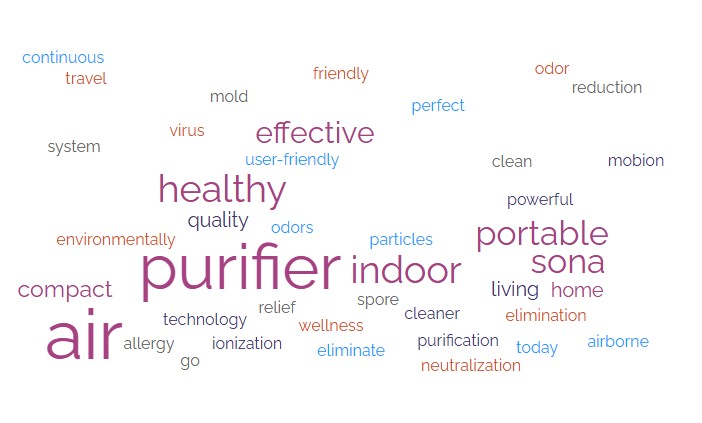
    Air purifier word cloud concept on white background

    Portable, Powerful Air Purifier for Every Space

    At Healthy Living Today, we’re proud to feature the SONA Mobion Air Purification System, a portable solution designed to support your everyday wellness. Compact yet powerful, it delivers cleaner air wherever life takes you. Including from bedrooms and offices to road trips and travel days.

    Created by Healthy Spaces, the SONA Mobion Air Purification System uses advanced plasma technology. This technology helps to reduce allergens, eliminate odors, and neutralize harmful pathogens. This means you and your loved ones can enjoy fresher, healthier air no matter where you are.

    Cutting-Edge Technology for a Healthier Home

    The SONA Mobion Air Purification System stands out with its advanced plasma technology, which actively reduces airborne allergens, mold spores, bacteria, viruses, and odors. Unlike many traditional air purifiers, the SONA Mobion Air Purification System operates without filters or harmful chemicals, making it an environmentally friendly and low-maintenance option. This innovation delivers powerful air purification in a compact, user-friendly device, perfect for improving your indoor air quality anytime, anywhere.

    Key Features and Benefits

    The SONA Mobion Air Purification System is loaded with features designed to fit seamlessly into your lifestyle:

    • Effective air purification that targets allergens, pathogens, mold spores, viruses, bacteria, and odors
    • Wide temperature range operation from -40°F to 104°F, ideal for versatile environments
    • Continuous 24/7 fan operation for nonstop purification
    • Plug-and-play convenience with included adapters for car and AC outlets
    • Two Tribo replacement filters included for long-lasting efficiency
    • Compact and portable design makes it perfect for small spaces, travel, and everyday use

    Breathe Easier with SONA

    Good air quality plays a big role in how we feel every day. The SONA Mobion Air Purification System helps reduce airborne particles, allergens, and odors, creating a cleaner breathing environment at home, at work, or on the go. Its portable design makes it easy to support healthier air wherever life takes you.

    Perfect for Any Lifestyle

    Whether you’re a parent concerned about your children’s health, a traveler wanting clean air on the move, or an allergy sufferer seeking relief, the SONA Mobion Air Purification System adapts to your needs. Its portability means you can take it anywhere, ensuring fresh, clean air is always within reach — at home, in the office, or even in your car.

    Explore our Home and Environment section for expert tips, product recommendations, and step-by-step resources to help you make informed decisions about the spaces you live in. Follow us on Facebook and Instagram for daily inspiration. Subscribe to our newsletter for curated content and practical ideas for healthy living.

    This post may contain affiliate links. If you click a link and make a purchase, Healthy Living – Today may earn a small commission at no additional cost to you. We only feature products, programs, or services we’ve researched and believe may support a healthy lifestyle. Prices are subject to change and may vary from what’s listed. This content is for informational purposes only and is not intended as medical advice. Individual results may vary, and we do not guarantee any specific outcome.
  • The Science Behind Deep Sleep

    The Science Behind Deep Sleep

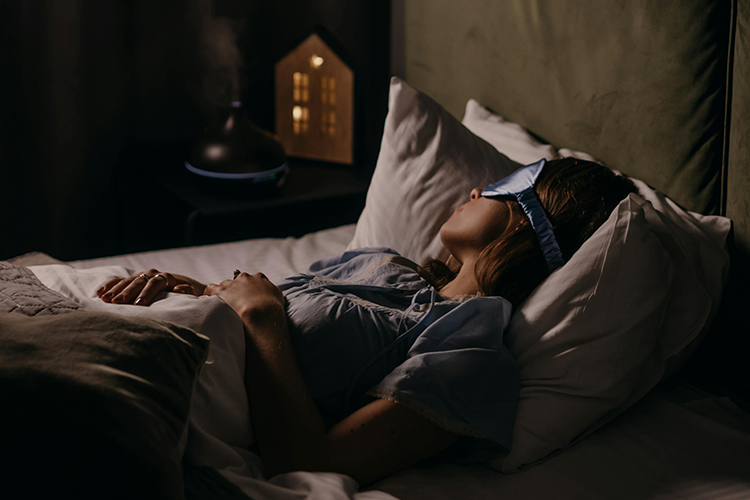
    Woman enjoying restful sleep with an eye mask and calming aromatherapy.

    Why REM and Non-REM Sleep Matter

    Sleep isn’t just about closing your eyes — it’s a complex, restorative process made up of distinct stages. Among these, REM and non-REM sleep play vital roles in refreshing both body and mind. Understanding how these stages work together can help you improve your sleep quality and overall well-being.

    What Happens During Non-REM Sleep?

    Non-REM sleep makes up the majority of your night and occurs in several stages:

    • Light sleep: Your body relaxes, muscles loosen, and heart rate slows.
    • Deep sleep: The body focuses on repair, supporting tissue growth, immune function, and energy restoration.

    A consistent sleep schedule helps your body enter deep non-REM sleep efficiently, ensuring you wake feeling rested and energized.

    The Importance of REM Sleep

    While non-REM sleep supports physical restoration, REM sleep is when the brain gets its workout. During this stage:

    • Vivid dreams occur
    • Memories are processed and reinforced
    • Learning and creativity are supported

    REM sleep enhances emotional balance, cognitive function, and overall mental clarity.

    How REM and Non-REM Sleep Work Together

    Your body alternates between REM and non-REM sleep in 90–120 minute cycles each night. Both stages are essential for feeling refreshed in the morning. Disruptions from stress, irregular schedules, or poor sleep environments can break this balance, leaving you groggy or unfocused.

    Creating the Right Environment for Better Sleep

    Supporting healthy cycles of REM and non-REM sleep starts with your environment. A bedroom that is cool, dark, and quiet allows smoother transitions between sleep stages. Tools that support sleep include:

    By combining these tools, you can create a sleep-friendly environment that aligns with your natural circadian rhythm and promotes uninterrupted, restorative rest.

    Mental Preparation for Better Sleep

    • Create a wind-down ritual (30–60 minutes before bed): Read a book, journal, or listen to calming music to signal your brain it’s time to relax.
    • Practice relaxation techniques: Try deep breathing, progressive muscle relaxation, or short guided meditations to quiet mental chatter.
    • Limit mental stimulation: Avoid stressful conversations, work emails, or intense shows that trigger alertness and adrenaline.
    • Use a “brain dump” journal: Write down to-do lists or worries so your mind isn’t racing when your head hits the pillow.
    • Try visualization: Imagine a calm, safe place (like lying on a quiet beach) to gently guide your brain away from daily stress.

    Physical Preparation for Better Sleep

    • Stay active during the day: Exercise (especially morning or afternoon) promotes deeper sleep cycles at night.
    • Avoid stimulants late in the day: Caffeine, nicotine, and even too much sugar can delay sleep onset.
    • Stick to a consistent sleep schedule: Going to bed and waking up at the same time trains your circadian rhythm.
    • Cut out alcohol before bed: While it might make you drowsy, it fragments REM sleep and reduces sleep quality.
    • Practice gentle stretching or yoga: Loosens tension and calms the body physically before lying down.

    Quick Routine You Can Try Tonight

    1. Turn off screens 1 hour before bed (swap scrolling for reading or journaling).
    2. Make a calming tea (like chamomile or valerian root).
    3. Write down tomorrow’s to-do list.
    4. Do 5 minutes of deep breathing or light stretching.
    5. Sleep in a cool, dark room with no interruptions.

    Why Understanding REM and Non-REM Sleep Matters

    When you prioritize both REM and non-REM sleep, you’re not just aiming for more hours in bed — you’re supporting your body’s natural ability to restore, recover, and prepare for the day ahead. Thoughtful habits and a supportive environment can help you enjoy more consistent, high-quality sleep night after night.

    Explore our Sleep and Recovery section to help you understand your sleep habits, improve your nightly rest, and create routines that support your well-being — no matter your age or lifestyle. Follow us on Facebook and Instagram for daily inspiration. Subscribe to our newsletter for curated content and practical ideas for healthy living.

    This post may contain affiliate links. If you click a link and make a purchase, Healthy Living – Today may earn a small commission at no additional cost to you. We only feature products, programs, or services we’ve researched and believe may support a healthy lifestyle. Prices are subject to change and may vary from what’s listed. This content is for informational purposes only and is not intended as medical advice. Individual results may vary, and we do not guarantee any specific outcome.
  • Social Media Boundaries That Actually Stick

    Social Media Boundaries That Actually Stick

    Woman journaling beside a cup of tea and tablet, creating a mindful moment away from screens.

    Social Media Boundaries That Help You Take Back Control

    What starts as a quick look at your phone often turns into a dozen open apps, endless feeds, and a mental detour you didn’t plan on. When you’re balancing work deadlines, family responsibilities, and your own well-being, those “quick checks” can slowly chip away at your focus and energy.

    Social media isn’t the enemy, but the way we interact with it often feels automatic and endless. Notifications pull us in. Algorithms keep us there. Without realizing it, we spend more time scrolling than connecting, more time reacting than recharging.

    Setting boundaries doesn’t mean giving it all up. It means finding a way to use social media without letting it distract you or disrupt your routine. A few intentional changes can help you stay more present, protect your energy, and feel better throughout the day.

    Why Social Media Boundaries Matter

    Your brain wasn’t designed to process the constant stream of information that social media delivers. Research shows that excessive social media use can increase cortisol levels, delay recovery from stress, and contribute to decision fatigue. In one study on stress recovery, participants who used Facebook after a stressful event took longer to return to baseline cortisol levels, suggesting that social media may actually prolong stress instead of relieving it. Another study on self-control and social media fatigue found that people with lower self-control experienced higher levels of fatigue, which can leave you feeling mentally drained and emotionally scattered.

    This is exactly what you don’t need when you’re already managing a demanding schedule. Social media boundaries aren’t restrictions. They are protective barriers that help preserve your mental bandwidth for what truly matters. When you create intentional limits around your screen time, you’re not missing out. You are investing in better focus, improved sleep, and more present relationships.

    How to Identify Your Own Social Media Patterns

    Before diving into boundary-setting, take a week to observe your current habits without judgment. Most smartphones now provide detailed screen time reports that can reveal surprising patterns.

    Ask yourself these questions:

    • When do you reach for your phone most often?
    • Which apps consume the most time without adding value to your day?
    • How does your mood shift after extended social media sessions?
    • What triggers your automatic scrolling behavior?

    This self-awareness becomes the foundation for creating boundaries that actually stick because they’re tailored to your specific patterns and triggers.

    Set App Time Limits You’ll Actually Honor

    The key to effective app limits is starting gradually. If you’re spending two hours a day on social media, dropping to 15 minutes right away probably won’t stick. Such a dramatic shift can feel too restrictive and hard to maintain.

    Try reducing your screen time by about 20 to 25 percent each week. Most phones let you set daily app limits and send reminders when you’re getting close. Choose limits that feel realistic and allow room to adjust as you go. Building healthier tech habits takes time and practice.

    You might also find it helpful to set different limits for weekdays and weekends. Your routine, responsibilities, and energy levels often vary depending on the day. If certain times tend to trigger more mindless scrolling, like mornings or evenings, consider placing quiet boundaries around those windows.

    Create Phone-Free Zones

    Designating certain places or times as phone-free zones can help reduce distractions and make it easier to follow through on your boundaries. The bedroom is often a good place to start. Keeping your phone out of the bedroom can improve sleep and reduce the tendency to scroll late at night, which can interfere with your ability to fall asleep and stay asleep.

    Other helpful areas to consider include the dining table, your workspace during focused tasks, and the car when you’re not using it for hands-free navigation. Some people also find it useful to avoid checking their phones during the first hour of the day or the last hour before bed. These boundaries don’t have to be rigid. They’re simply meant to create consistent cues that support more intentional phone use and limit unnecessary interruptions.

    Move Tempting Apps Off Your Home Screen

    Adding a bit of friction to how you use your phone can help break the habit of mindless scrolling. When you have to search for social media apps instead of seeing them immediately, you create a pause that allows you to make a more conscious choice about whether you actually want to engage.

    Consider organizing your phone so that productivity tools, health apps, and communication essentials occupy your home screen, while entertainment and social apps require an extra step to access. Some people find success by logging out of apps entirely, requiring them to consciously log back in each time they want to use them.

    Replace the Habit, Don’t Just Remove It

    One of the most common mistakes when learning how to set social media boundaries is focusing solely on restriction without offering your brain alternative activities. If you typically scroll Instagram while drinking your morning coffee, replace that habit with something equally accessible but more nourishing.

    Effective replacement activities include reading a few pages of a book or magazine, writing in a journal or gratitude list, listening to a podcast or calming music, practicing a brief mindfulness exercise, or doing some stretching or gentle movement. The goal is to give your brain a satisfying alternative that meets the same underlying need, whether that’s stimulation, relaxation, or connection.

    Set Family or Household Boundaries Together

    If you live with others, approaching social media boundaries as a collective effort often yields better results than trying to change your habits in isolation. Family or household boundaries might include tech-free dinner times, designated study or work hours without social media, weekend morning phone-free periods, and shared charging stations outside of bedrooms.

    When you establish these boundaries together, you create a supportive environment where everyone benefits from reduced digital distractions. Children and teens especially benefit from seeing adults model healthy relationships with technology. One recent study found that higher levels of parent screen use during meals and in bedrooms were linked to increased social media use and more problematic smartphone habits among adolescents. Consistent household routines and parent involvement were associated with healthier patterns, showing that small, shared changes can have a lasting impact on how everyone in the home engages with technology.

    Boundaries That Work for You

    Remember that effective social media boundaries are highly personal. What works for your colleague might not fit your lifestyle, and that’s perfectly okay. The goal is to create a relationship with social media that supports rather than undermines your well-being and productivity.

    Start with one or two boundaries that feel most relevant to your current challenges. Once those become natural habits, you can gradually add additional strategies. Be patient with yourself during this process. Changing ingrained digital habits takes time and experimentation.

    Your social media boundaries will likely evolve as your life circumstances change. What matters most is maintaining awareness of how your digital consumption affects your mental energy and adjusting your approach accordingly.

    Want more support as you build better boundaries and protect your mental energy? Explore our Mental Health & Well-Being section for practical tools to manage screen time, stay focused, and feel more balanced throughout the day. Follow us on Facebook and Instagram for mindful habits, real-life tips, and positive momentum.

    Subscribe to our newsletter for curated content and practical ideas for healthy living.
    This post may contain affiliate links. If you click a link and make a purchase, Healthy Living – Today may earn a small commission at no additional cost to you. We only feature products, programs, or services we’ve researched and believe may support a healthy lifestyle. Prices are subject to change and may vary from what’s listed. This content is for informational purposes only and is not intended as medical advice. Individual results may vary, and we do not guarantee any specific outcome.

  • Digital Wellness for Healthy Aging

    Digital Wellness for Healthy Aging

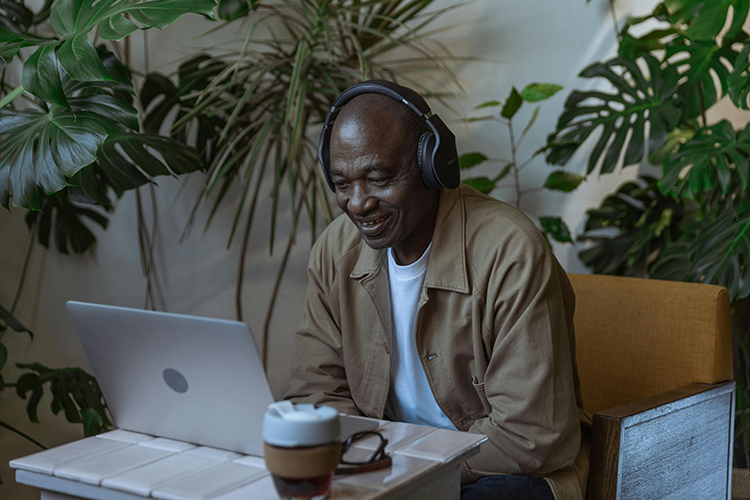
    An Old Man Happily Smiles in Front of Laptop, practicing digital wellness techniques.

    A Simple Guide to Healthier Screen Time

    Technology is part of everyday life. For older adults, it can boost independence, learning, and connection. But too much screen time can affect sleep, posture, mood, and focus. Digital wellness means using technology in a balanced, intentional way — so it works for you, not against you.

    Studies show the average adult spends 7+ hours on screens daily, including 2.5 hours on social media. For healthy aging, it’s important to set boundaries, protect your body, and choose habits that keep your mind clear and your energy strong.

    When to Consider a Digital Reset

    As we age, our bodies and minds become more sensitive to extended screen use.   

    Physical Signs:

    • Eye Discomfort – Dryness, strain, or blurry vision despite breaks may mean overexposure. Tear production naturally decreases with age.
    • Neck, Shoulder, or Upper Back Tension – “Tech neck” from posture strain can limit mobility and cause stiffness.
    • Sleep Disruption – Evening screen light reduces melatonin, making it harder to fall and stay asleep.
    • Recurring Headaches – Eye strain and posture issues can trigger tension headaches.

    Mental and Emotional Signs:

    • Anxiety Without Your Phone – Feeling restless or irritable when disconnected (nomophobia).
    • Difficulty Concentrating Offline – Trouble focusing on conversations or quiet activities.
    • Compulsive Notification-Checking – Checking devices even without alerts.
    • Social Media Fatigue – Comparing yourself to others online, leading to stress or low mood.

    Recognizing these signals is the first step toward better digital wellness.

    Designing Spaces for Digital Wellness

    Your environment can help you enjoy technology without harming your health.

    • Ergonomic Furniture – Use a standing desk or adjustable chair to reduce stiffness.
    • Eye-Friendly Screens – Choose displays with built-in blue light filters.
    • Anti-Glare Protection – Add screen protectors to reduce strain.
    • Blue Light Glasses – Wear specially coated glasses to reduce eye strain and improve sleep quality.
    • Healthy Lighting – Use warm or natural-spectrum bulbs to improve mood and focus.

    A well-planned workspace makes it easier to stay connected while protecting your body.

    Healthy Digital Habits for Aging Well

    Start with one change and add more over time.

    • Reduce Evening Screen Time – Begin with 15 minutes less before bed.
    • Focus on One Task at a Time – Silence unnecessary notifications.
    • Set “Off Hours” – Keep mealtimes and the hour before bed device-free.
    • Create Screen-Free Zones – Avoid screens in the bedroom and dining area.
    • Take Breaks Every 30–60 Minutes – Rest eyes, stretch, and reset posture.
    • Balance Screen Time with Hobbies – Try walking, gardening, or reading print books.
    • Engage in Offline Social Activities – Join local clubs or hobby groups.

    Strengthening Social Connections

    Meaningful relationships are vital for cognitive health and emotional well-being.

    • Choose Depth Over Frequency – Schedule focused, distraction-free calls or visits.
    • Stay Present Offline – Write letters, meet in person, or have phone conversations without multitasking.
    • Support Family-Wide Wellness – Help loved ones manage notifications and set healthy routines.

    Protecting Your Sleep

    Good rest is key to healthy aging.

    • Shut Down Devices an Hour Before Bed – Limit blue light exposure.
    • Use a Sunrise Alarm Clock – Wake gently without harsh sounds or screens.
    • Reflect and Adjust – Regularly check in on your habits and make changes as needed.

    The Long-Term Goal

    Healthy aging isn’t about rejecting technology — it’s about using it with purpose.  When you set boundaries, listen to your body, and choose mindful habits, technology can support your independence, health, and happiness.  Digital wellness is a lifelong practice. Each intentional choice brings you closer to aging with clarity, vitality, and strong connections.

    Explore our Healthy Aging section for practical strategies and trusted tools to support healthy aging. Follow us on Facebook and Instagram for daily inspiration. Subscribe to our newsletter for curated content and practical ideas for healthy living.

    This post may contain affiliate links. If you click a link and make a purchase, Healthy Living – Today may earn a small commission at no additional cost to you. We only feature products, programs, or services we’ve researched and believe may support a healthy lifestyle. Prices are subject to change and may vary from what’s listed. This content is for informational purposes only and is not intended as medical advice. Individual results may vary, and we do not guarantee any specific outcome.
  • Peace of Mind at Home: Smart Products Every Family Can Trust

    Peace of Mind at Home: Smart Products Every Family Can Trust

    Two home security cameras in the foreground with a house in the background, representing smart home monitoring and family safety.

    Home Safety Products Every Family Can Trust

    Home should be the place where your family feels safe and cared for. Yet, security is an important concern for many homeowners. Recent home security statistics show that visible safety measures, like cameras and smart locks, can help reduce the risk of break-ins. Choosing the right home safety products helps protects your space. In addition, it also gives your family the confidence to relax and enjoy time together.

    The home safety products below are practical, reliable, and designed to fit naturally into everyday life. They help you feel secure, better prepared, and more comfortable knowing that your home supports your family’s safety and well-being.

    TP-Link Tapo Wire-Free Magnetic Security Camera (2K QHD)

    A reliable security camera is the foundation of a safer home, and this wire-free, magnetic option from TP-Link Tapo makes monitoring simple. The 2K QHD resolution provides clear, high-quality video during the day and at night, so you can check on your home anytime. Its magnetic design allows for flexible placement indoors or outdoors, making it easy to keep an eye on entry points, backyards, or shared living spaces. With real-time motion alerts to your phone, this camera helps you stay informed without constant checking.

    Google Nest Doorbell (Battery)

    Knowing who is at your door, even when you are away, brings an extra level of confidence to your home. The Google Nest Doorbell delivers smart alerts for people, packages, and general activity, so you are always aware of what is happening at your doorstep. Two-way audio lets you communicate with visitors from anywhere, making it useful for deliveries or checking in when kids get home from school. With a wireless battery design, it is easy to install and integrates seamlessly into everyday life.

    Schlage Encode Smart WiFi Deadbolt

    Keys can be misplaced, but peace of mind should not be. The Schlage Encode Smart WiFi Deadbolt offers keyless entry with secure remote access, giving you the ability to lock or unlock your door from your phone. It also sends activity notifications, which is especially helpful if you have kids, babysitters, or other family members coming and going. Strong, durable, and simple to use, this smart lock makes your home both safer and more convenient.

    SONA Mobion Air Purification System

    The SONA Mobion Air Purification System uses ionization technology to clean the air, rather than relying on traditional filters. It releases negative ions that attach to airborne particles and breaks them down, helping to neutralize contaminants like allergens and microbes. This compact purifier is quiet, energy-efficient, and requires no filter changes, making it easy to maintain. It is ideal for bedrooms, offices, or other small indoor spaces where cleaner air can make your home feel healthier and more comfortable.

    Kidde 10-Year Battery Smoke & Carbon Monoxide Detector

    Smoke and carbon monoxide are hazards that every family needs to prepare for. This combination detector from Kidde provides reliable protection with the convenience of a 10-year sealed battery, so you do not have to worry about frequent battery changes. Early alerts give your family the time needed to respond, and the dual-function design saves space while delivering comprehensive coverage. Knowing that your home is continuously monitored for two major safety risks is an instant stress reducer.

    Philips Hue Smart Light Starter Kit

    Lighting plays a larger role in home safety than many realize. With the Philips Hue Smart Light Starter Kit, you can schedule lights to turn on at key times or control them remotely through your phone. A well-lit home deters unwanted visitors and makes evening routines safer for your family. Smart lighting also adds comfort and convenience, helping your home feel warm and welcoming whether you are there or away.

    Ready America 4-Person 3-Day Deluxe Emergency Kit

    Preparedness is a cornerstone of peace of mind. The Ready America 4-Person 3-Day Deluxe Emergency Kit provides essential supplies for short-term emergencies like power outages, severe weather, or natural disasters. Stocked with food, water, first aid, and practical tools, it ensures that your family has what it needs to stay safe and comfortable until help arrives. Keeping a kit like this at home or in a car adds an invaluable layer of security to your overall home safety plan.

    Building Confidence in Your Home

    Creating a home that feels safe and cared for starts with thoughtful choices. The right home safety products can reduce worry, protect your family, and make your space feel more comfortable and secure. From smart cameras and doorbells to air purification and emergency preparedness, these tools give you confidence that your home is ready for the unexpected. Prioritizing safety and preparation allows your family to enjoy your home with less stress and greater peace of mind.

    Ready to explore more ways to protect and support your family at home?

    Visit our Safety section for more practical guidance and trusted products that bring peace of mind to everyday life. Subscribe to our newsletter for curated content and reliable ideas delivered straight to your inbox. Follow us on Facebook and Instagram or everyday inspiration to help your family feel safe, connected, and supported.

    This post may contain affiliate links. If you click a link and make a purchase, Healthy Living – Today may earn a small commission at no additional cost to you. We only feature products, programs, or services we’ve researched and believe may support a healthy lifestyle. Prices are subject to change and may vary from what’s listed. This content is for informational purposes only and is not intended as medical advice. Individual results may vary, and we do not guarantee any specific outcome.
  • Helping Both You and Your Child Through a Tantrum

    Helping Both You and Your Child Through a Tantrum

    Mother sitting at a table with two young children, one smiling and one crying during a tantrum, capturing a real-life parenting moment at home.

    A Parent’s Guide to Navigating Tantrums

    Tantrums are one of the most challenging parts of parenting young children. They can start over something small, like leaving the playground or having to share a toy, and quickly turn into crying, kicking, or yelling. While it may seem like your child is just misbehaving, tantrums are often a sign that their emotions are bigger than they can handle.

    For parents, these moments can feel just as intense. Your heart rate jumps, frustration builds, and if it happens in public, embarrassment can make it even harder to stay calm. Learning how to respond to tantrums is about more than stopping the outburst. It is about understanding what your child needs in that moment, managing your own stress, and creating a path back to calm for both of you.

    Strategies that focus on staying steady and connected can make these moments easier to manage, whether tantrums happen at home or in the middle of a busy store.

    Why Tantrums Happen

    Tantrums are part of normal development. Young children have strong emotions but only a few ways to express them. Hunger, fatigue, frustration, and overstimulation can all trigger outbursts.

    These moments can catch parents off guard, and the stress can build quickly, especially when other people are watching. Recognizing that both you and your child are reacting to stress is the first step toward staying calm and helping them through it.

    Calming Yourself First

    Before you can guide your child, you need to steady yourself. Children often mirror their parent’s emotions, so your calm presence can help them feel safe. These quick resets can help:

    • Box Breathing: Inhale for 4 counts, hold for 4, exhale for 4, and pause for 4.
    • 5-4-3-2-1 Grounding: Name 5 things you see, 4 you feel, 3 you hear, 2 you smell, and 1 you taste.
    • Brief Pause: Close your eyes for a moment and take a slow, full breath.

    If you want more strategies to stay centered in the moment, check out our blog on grounding exercises and grab our Breathwork Guide for simple exercises you can use anywhere.

    Helping Your Child Through a Tantrum

    Once you are centered, focus on your child’s needs.

    1. Acknowledge Feelings: Calmly saying, “You’re upset,” helps your child feel seen and understood.
    2. Keep It Short: Long explanations can make things worse in the middle of a tantrum.
    3. Offer Comfort or Space: Some kids want a hug, while others need a moment alone to self-regulate.
    4. Stay Consistent: Hold boundaries without raising your voice. Predictable limits help children feel secure.

    When Tantrums Happen in Public

    Public tantrums bring an added layer of pressure. Noise, crowds, and the feeling that everyone is watching can make it harder to stay calm. Here is how to handle them:

    • Prioritize Safety: Move to a quieter, safer area if you can.
    • Ignore the Audience: Focus on your child instead of worrying about what others think.
    • Prepare a Calm-Down Kit: Pack a small bag with a snack, fidget toy, or comfort item.
    • Use a Steady Voice: Speaking softly and calmly helps bring the energy down for both of you.

    Remember, tantrums in public are not about perfection. Your goal is for you and your child to stay connected and safe until the moment passes.

    Calm-Down Tools for Parents and Kids

    Having a few reliable tools on hand can make tantrums easier to manage. These small items give kids (and parents) a safe way to release tension and reset when emotions run high:

    Liquid Calming Timer

    Offers a quiet visual focus that helps children settle during stressful moments. Watching the colorful bubbles slowly move can be calming, making this a useful addition to a calm-down kit for car rides, stores, or waiting rooms.

    Hugimals Weighted Plush – Darby the Bear

    Provides gentle, comforting pressure that can ease anxiety and help children feel secure. Hugging a soft, weighted plush is especially helpful during or right after a tantrum.

    Sensory Worry Stone

    Gives little hands a tactile way to release nervous energy. Rubbing the smooth stone helps redirect focus and calm emotions, even in public settings.

    Tip for Parents: A small calm-down kit with a visual tool, a comfort item, and a tactile item can make tantrums easier to navigate anywhere.

    After the Tantrum

    Once the meltdown is over, both you and your child may feel drained. Take a moment to reconnect:

    • Offer a hug or gentle touch if they are ready.
    • Speak in a calm voice and keep any explanation brief.
    • Move on without holding onto the moment.

    These small resets teach your child that big feelings can pass and that you are there to support them.

    Tantrums Do Not Define Your Parenting

    Every parent faces tantrums. What matters most is how you respond. Staying calm, guiding your child with patience, and moving on once it is over turns overwhelming moments into learning opportunities. Tantrums become less about frustration and more about helping your family navigate big feelings together.

    Want more practical strategies for parenting through stressful moments? Explore our Family Health section for ideas that help parents and kids thrive. Subscribe to our newsletter for curated content, helpful tips, and real-world solutions delivered straight to your inbox. Follow us on Facebook and Instagram for everyday inspiration to make family life a little easier.

    This post may contain affiliate links. If you click a link and make a purchase, Healthy Living – Today may earn a small commission at no additional cost to you. We only feature products, programs, or services we’ve researched and believe may support a healthy lifestyle. Prices are subject to change and may vary from what’s listed. This content is for informational purposes only and is not intended as medical advice. Individual results may vary, and we do not guarantee any specific outcome.
  • Five Grounding Exercises That Work in the Real World

    Five Grounding Exercises That Work in the Real World

    A young man sitting at his desk with eyes closed, taking a brief mindfulness break to reduce stress and re-center during a busy workday.

    Practical Grounding Exercises

    When stress shows up in the middle of your day, it’s not always realistic to meditate or go for a walk. That’s where grounding exercises come in. These techniques are designed to bring your attention back to the present moment, helping you feel more steady, even in the middle of chaos. And the best part? You don’t need a calm setting or a ton of time to use them. 

    Whether you’re stuck in traffic, navigating a tough work meeting, or helping a child through a meltdown, these practical grounding exercises can help you reset and respond with more clarity.

    Why Grounding Helps in the Moment

    Grounding works by gently shifting your attention away from spiraling thoughts and toward sensory experiences in your immediate environment. This activates the parasympathetic nervous system, your body’s built-in calming response. By reconnecting with the present through your senses or simple movements, grounding can ease stress, slow your heart rate, and help you feel more in control.

    While everyone responds to techniques differently, most grounding exercises help you focus on what is happening now rather than what might happen next.

    Five Practical Grounding Exercises

    1. The 5-4-3-2-1 Technique

    This is one of the easiest ways to engage your senses quickly. Start by noticing:

    • 5 things you can see
    • 4 things you can touch
    • 3 things you can hear
    • 2 things you can smell
    • 1 thing you can taste

    This sensory scan helps break the cycle of anxious or racing thoughts by forcing your mind to focus on what’s real and immediate.

    2. Box Breathing or Paced Breathing

    This controlled breathing method can be done anywhere, in a parked car, a bathroom break, or even mid-meeting. Breathe in for 4 counts, hold for 4, exhale for 4, hold again for 4. Repeat a few times.

    It’s one of the most adaptable grounding exercises, especially helpful when your body is physically tense or your mind feels overwhelmed. Want a printable version to keep on hand? Download our Breathwork Guide for calming techniques you can use any time you need to reset. 

    3. Holding Something Cold or Textured

    Grab a cold drink can, a textured keychain, or even a small stone from your pocket. Focus on the temperature, weight, and feel of the object. This simple sensory trick creates an instant physical anchor that helps interrupt spiraling thoughts.

    4. A Grounding Walk or Barefoot Moment

    If you can step outside for even a minute, feel your feet connect with the ground. Walking slowly and paying attention to each step, or simply standing barefoot on grass or a hard surface, can be surprisingly effective in re-centering your mind and body.

    5. Descriptive Labeling or Mental Anchoring

    Quietly describe what’s happening around you or within you. For example: “I’m sitting at my desk. My feet are on the floor. I hear the hum of the computer fan.” Labeling what you observe, rather than what you fear, shifts the focus back to facts.

    These kinds of grounding exercises are especially helpful when you’re alone and need to calm your mind without drawing attention.

    When and Where These Work Best

    You don’t need to wait for the “right” moment to use these techniques. They’re meant for the messy parts of life: a morning rush that’s gone sideways, an unexpected work email that sends your heart racing, or a long grocery line with a restless toddler.

    • Use box breathing during commutes
    • Try 5-4-3-2-1 while waiting for a meeting to start
    • Carry a textured object in your pocket or bag
    • Pair descriptive labeling with moments of overstimulation, like crowded places
    • Use a grounding walk during your lunch break, or before bed

    How to Make Grounding Exercises a Habit

    The best way to make these exercises stick is to pair them with routines you already have. Link them to everyday triggers, like brushing your teeth, brewing coffee, or checking your phone. Repeating even one grounding technique daily can rewire how you respond to stress over time.

    If racing thoughts tend to creep in at night, consider adding a wind-down tool like the Hatch Restore 3, which combines gentle light, guided breathing, and ambient sound. It’s a helpful support if you’re trying to make bedtime grounding part of your evening routine.

    Grounding Doesn’t Have to Be Complicated

    The best techniques are the ones you’ll actually use. These grounding exercises don’t require special training or quiet time, they’re designed to meet you in real life, where things are often loud, messy, and unpredictable. Try a few. Repeat the ones that work. Over time, you’ll start to feel more steady, even when the day isn’t. If you’re looking for broader ways to support emotional well-being, explore why mental health matters and why small actions like grounding can make a meaningful difference.

    Want more ways to stay calm in the middle of a busy life? Explore our Mental Health & Well-Being section for helpful habits, tools, and daily support. Subscribe to our newsletter for practical tips, curated resources, and real-life mental health support delivered monthly. Follow us on Facebook and Instagram for stress relief ideas that fit into your routine.

    This post may contain affiliate links. If you click a link and make a purchase, Healthy Living – Today may earn a small commission at no additional cost to you. We only feature products, programs, or services we’ve researched and believe may support a healthy lifestyle. Prices are subject to change and may vary from what’s listed. This content is for informational purposes only and is not intended as medical advice. Individual results may vary, and we do not guarantee any specific outcome.

  • A Parent’s Guide to Snack Ingredients

    A Parent’s Guide to Snack Ingredients

    Common high-sugar snacks often found in kids’ diets, including candy, cookies, and pastries, arranged on a marble surface as a visual reminder of added sugar sources.

    What’s Really in That Snack? 

    Trying to make healthy food choices for your kids can feel like a full-time job. You flip over a package, scan the label, and suddenly you’re staring at a list of ingredients that sound more like a science experiment than something you’d want on your child’s plate. Between tricky marketing claims and hard-to-pronounce additives, it’s easy to feel unsure about what you’re really feeding your family.

    You don’t need to memorize every ingredient to make better choices. Learning how to spot a few common additives and understand where sugar and sodium tend to hide can help you feel more in control at the grocery store. It’s a practical step that can make shopping and meal decisions a little easier, especially when you’re short on time.

    Common Snack Additives to Watch For

    Understanding ingredients doesn’t require a food science background. Identifying a few key additives can help you shop smarter, especially for kids’ snacks.

    Sodium

    Kids’ snacks can be surprisingly high in sodium. Too much sodium early in life can affect blood pressure and shape long-term eating habits.

    Most kids get more sodium than they need, and it often comes from processed snacks and convenience foods. One review of multiple studies found that higher sodium intake was linked to higher blood pressure in children, especially those already at risk. That’s one reason it’s worth checking sodium levels, even in foods that don’t taste salty.

    The American Heart Association recommends that children consume less than 1,500 milligrams of sodium per day. That means checking snack labels and aiming for options with lower sodium per serving. Choosing snacks like fresh fruit, unsalted nuts, or low-sodium crackers can help reduce overall intake without making major changes to your child’s routine.

    Added Sugars and High-Fructose Corn Syrup

    Sweet snacks and drinks are everywhere, and many are marketed directly to kids. But even snacks that don’t taste overly sugary can contain more added sugar than you’d expect. Common culprits include flavored yogurts, granola bars, fruit snacks, and drinks labeled as “juice beverages” or “fruit drinks.”

    Added sugars contribute to excess calorie intake and have been linked to higher risks of weight gain, type 2 diabetes, and dental problems. A review published in 2010 found strong evidence that sugar-sweetened beverages contribute to obesity in children, especially when consumed frequently and in large amounts.

    High-fructose corn syrup (HFCS), commonly used to sweeten processed foods and drinks, is one of the most prevalent sources of added sugar in kids’ diets. The American Heart Association recommends limiting added sugar to no more than 6 teaspoons (25 grams) per day for children. Many packaged snacks and drinks contain more than that in a single serving.

    A few tips when checking labels:

    • Look for ingredients like “corn syrup,” “fruit juice concentrate,” or anything ending in “-ose”
    • Pay attention to grams of added sugar, not just total sugar
    • Choose unsweetened versions of snacks when possible, and opt for whole fruits instead of fruit-flavored products

    BHA and BHT

    You’ll often find BHA (butylated hydroxyanisole) and BHT (butylated hydroxytoluene) in packaged snacks, especially those with long shelf lives. These synthetic antioxidants are used to prevent fats and oils from going rancid, helping foods stay fresh longer.

    While BHA and BHT are approved for use in the U.S., their safety has been debated for years. Both have been studied for potential effects on health. BHA has been classified as “possibly carcinogenic to humans” by the International Agency for Research on Cancer. This classification is based on animal studies showing an increased risk of tumors when BHA was consumed in high amounts over time.

    Some animal studies have shown that BHT exposure can interfere with thyroid hormone levels and gland function, raising concerns about its potential as an endocrine disruptor. While more research is needed to fully understand how these preservatives affect human health, some countries have taken steps to restrict or phase out their use in food products.

    Parents who want to limit exposure can check snack labels for BHA or BHT and choose products that use alternatives like vitamin E (often listed as mixed tocopherols) for preservation.

    Artificial Food Dyes

    Brightly colored snacks may appeal to kids, but the synthetic dyes used to create those colors have raised health concerns in recent years. These dyes appear frequently in fruit-flavored gummies, cereals, chips, and even drinks marketed to children.

    According to a comprehensive risk review by California’s Office of Environmental Health Hazard Assessment (OEHHA), synthetic food dyes may impact attention, activity levels, and learning in some children, particularly those with behavioral differences or ADHD-like symptoms. These effects emerged in challenge studies where children switched from dye-free diets to foods containing these additives.

    Most health agencies, including the Food and Drug Administration, still consider these dyes safe within current intake levels. However, the California assessment concludes that older acceptable daily intake standards may not be protective enough, prompting some regions to require warning labels.

    Because food dyes offer no nutritional benefit, choosing snacks made with natural colors like beet juice, turmeric, or paprika can be a helpful way to minimize exposure, especially during long-term or frequent consumption.

    What to Remember Before the Next Grocery Trip

    Knowing what’s really in your child’s snack doesn’t mean swearing off every convenience food or spending hours reading every label. But understanding a few common additives, like sodium, added sugars, preservatives, and artificial dyes, can help you make better choices without adding more stress to your routine.

    You don’t need a perfect pantry. Just a little more awareness can go a long way. By focusing on the snacks your child eats most often and scanning for the ingredients that show up repeatedly, you can start building a healthier foundation that supports their well-being over time.

    Want more practical ways to support your family’s health? Explore our Family Health section for helpful articles, snack ideas, and kid-friendly routines that actually work. Subscribe to our newsletter for curated content, product spotlights, and timely tips delivered straight to your inbox. Follow us on Facebook and Instagram for easy inspiration and real-life solutions from Healthy Living – Today.

    This post may contain affiliate links. If you click a link and make a purchase, Healthy Living – Today may earn a small commission at no additional cost to you. We only feature products, programs, or services we’ve researched and believe may support a healthy lifestyle. Prices are subject to change and may vary from what’s listed. This content is for informational purposes only and is not intended as medical advice. Individual results may vary, and we do not guarantee any specific outcome.

  • 10 Steps to a Toxin-Free Living Space

    10 Steps to a Toxin-Free Living Space

    A toxin-free home. A bright, modern living room with natural light, houseplants, organic textiles, and minimalistic decor. The mood is fresh, peaceful, and health-focused.

    Create a toxin-free home

    Creating a toxin-free home isn’t just about what you remove – it’s about what you choose to welcome in. At Healthy Living – Today, we know that your environment plays a vital role in your overall health. Every deliberate decision you make, from the air you breathe to the objects you touch on a daily basis, adds up to significant gains in your well-being. Here’s how to detox your living space, one step at a time.

    1. Improve Indoor Air Quality

    Your home’s air can contain pollutants like dust, VOCs, and mold spores. To reduce these toxins, open windows regularly, use natural ventilation, and consider adding an air purifier.

    Try This: The SONA Mobion Air Purification System delivers advanced, hospital-grade air filtration to protect your home from airborne toxins, allergens, and pollutants.

    2. Use Non-Toxic Cleaning Products

    Swap conventional cleaners for natural alternatives that are free of harsh chemicals. Look for products with plant-based ingredients and no artificial fragrances.

    Try This: Puracy Natural Surface Cleaner is safe, effective, and perfect for families aiming for a toxin-free home.

    3. Choose Low-VOC Paint and Furniture

    Paint, furniture, and flooring can release volatile organic compounds (VOCs) into the air. Choose low-VOC or zero-VOC options when renovating or decorating.

    Quick Tip: Ventilate your space during and after painting or installing new items to reduce lingering fumes.

    4. Go Green With Houseplants

    Plants like spider plants, peace lilies, and snake plants help purify the air naturally. They also add beauty and calm to any room.

    Bonus: Indoor greenery can also promote relaxation and support better sleep and recovery.

    5. Filter Tap Water

    Municipal tap water may contain contaminants like chlorine, lead, or microplastics. Install a high-quality water filter to reduce exposure and improve taste.

    Try This: The Brita Elite Water Pitcher offers advanced filtration and is easy to use.

    6. Say No to Synthetic Fragrances

    Air fresheners, candles, and scented sprays often contain phthalates and other toxins. Opt for fragrance-free or naturally scented options instead.

    Try This: Grow Fragrance Room Spray uses 100% plant-based essential oils and is safe for kids and pets.

    7. Rethink Plastic Use

    Plastics can leach chemicals like BPA and phthalates into your food and environment. Replace plastic containers with glass, stainless steel, or silicone alternatives.

    Quick Tip: Never microwave plastic, even if it’s labeled microwave-safe.

    8. Upgrade Your Mattress and Bedding

    Conventional mattresses may off-gas harmful chemicals. Look for organic or natural latex mattresses and bedding made with GOTS-certified organic cotton.

    Try This: The Avocado Green Mattress is made from organic, non-toxic materials that support deeper sleep and healthy aging by reducing exposure to harmful chemicals

    9. Limit Electronics in the Bedroom

    Blue light and EMF exposure can interfere with sleep quality. Reduce screen time before bed and keep devices out of the bedroom.

    Try This: Use a sunrise-simulating alarm clock like the Philips SmartSleep Wake-Up Light to create a more natural sleep routine.

    10. Embrace Natural Wellness Practices

    Your home should be a space for restoration. Add calming rituals like herbal teas, essential oils, and mindfulness practices to create a balanced atmosphere.

    Explore: Natural wellness practices pair beautifully with a toxin-free home.

    Creating a toxin-free home doesn’t happen overnight, but every change brings you closer to a healthier, happier home. At Healthy Living – Today, we’re here to support your journey with tips, tools, and trusted products that help you live well – naturally.

    Explore our Home & Environment section for tools and strategies for creating healthy spaces. Follow us on Facebook and Instagram for daily inspiration. Subscribe to our newsletter for curated content and practical ideas for healthy living.

    This post may contain affiliate links. If you click a link and make a purchase, Healthy Living – Today may earn a small commission at no additional cost to you. We only feature products, programs, or services we’ve researched and believe may support a healthy lifestyle. Prices are subject to change and may vary from what’s listed. This content is for informational purposes only and is not intended as medical advice. Individual results may vary, and we do not guarantee any specific outcome.

  • Breathe Stretch Digest (Part 2)

    Breathe Stretch Digest (Part 2)

    ake yoga for digestion a daily habit. Discover ideal timing, breathwork, and simple tools to ease bloating and support gut healing.

    From Bloating to Balance: Make Yoga for Digestion a Daily Habit

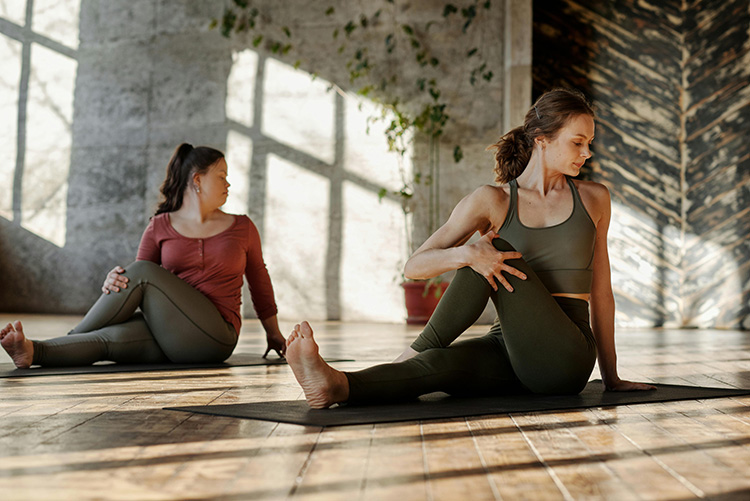
    Whether you’re just discovering yoga for digestion or you’ve already explored a few poses from our first post, Breathe, Stretch, Digest: 8 Simple Poses to Soothe Your Belly,” you’re in the right place. Maybe you’ve started with gentle movements like Cat-Cow, Supine Twist, or Wind-Relieving Pose, and you’ve noticed subtle shifts: less bloating, a calmer belly, or even better sleep.

    How might you transform those positive changes into a lasting daily habit?

    Yoga for digestion goes beyond striking a pose. Breathwork, timing, and consistency all work together to support your gut and overall well-being. Here’s how to build a simple, sustainable routine that fits into your life and gives your belly the care it truly deserves.

    When Should You Practice Yoga for Digestion?

    Finding the right time is one of the easiest ways to make yoga for digestion more effective. Gentle movement and mindful breathing can help move things along, but only if you’re listening to your body’s rhythm.

    After Meals (But Not Too Soon)

    Give yourself 15–30 minutes before trying any yoga for digestion. This gives your stomach time to settle and prevents discomfort. Gentle poses like Vajrasana (Thunderbolt Pose) or a seated spinal twist can help stimulate digestive juices without compressing your belly too soon.

    Before Bed

    Evening routines are perfect for calming your system and easing digestion overnight. Try relaxing postures like Legs Up the Wall or Supine Twist to signal your body that it’s time to rest and restore. These movements also reduce bloating and soothe discomfort from a late or heavy dinner.

    When You’re Feeling Stressed

    Stress doesn’t just affect your mood; it has a huge impact on your digestion. Use yoga for digestion to engage the parasympathetic nervous system (PSNS) with simple breathwork or restorative poses. Even a five-minute break can shift you from tension to ease.

    After Overeating

    We’ve all been there—too much of a good thing. If your belly feels overfull or sluggish, skip the intense twists and opt for the Wind-Relieving Pose. It gently compresses the abdomen, encouraging trapped gas to release and supporting natural movement in your gut.

    Skip deep twists and backbends right after eating. Vajrasana is a rare exception—it’s one of the few poses that actively supports digestion immediately after meals.

    Keep It Simple: Consistency Beats Complexity

    You don’t need to master a 90-minute yoga flow or memorize Sanskrit names to feel the benefits. The simpler your practice, the easier it will be to stick with it. Start with 2–3 poses you enjoy. Hold each for 5–10 deep, steady breaths. If it feels good in your body and helps you feel more at ease, that’s a sign you’re doing it right.

    The real magic occurs when you maintain consistency. Yoga for digestion doesn’t require perfection. It only asks that you show up, breathe, and move with intention. Every day you commit, even for five minutes, helps train your gut to function more smoothly.

    Belly Breathing: Reset Your Gut-Brain Connection

    Did you know that deep belly breathing can physically change the way your body processes food? It’s true. Your digestive system is closely tied to your nervous system, and when you’re stressed, everything tightens up, including your intestines.

    Belly breathing, which is also referred to as diaphragmatic breathing, provides the following benefits:

    • Activate the parasympathetic nervous system (your “rest and digest” mode)
    • Improve blood flow to digestive organs
    • Reduce stress-related inflammation in the gut

    Try This:

    1. Sit comfortably or lie on your back
    2. Place one hand on your belly
    3. Inhale slowly through your nose and feel your belly rise
    4. Exhale through your mouth and feel it fall
    5. Continue for 5–10 minutes

    This simple breathing technique is one of the most underrated tools in any yoga digestion exercise. Use it whenever you feel bloated, tense, or anxious.

    Feeling Brave? Try Advanced Breathwork

    If you’ve been practicing for a while and feel ready to take it further, try adding yoga breathing techniques. They can fire up your core, boost circulation, and gently massage your internal organs.

    Breathwork like Kapalbhati Pranayama and Agnisar Kriya can offer powerful support for digestion and overall well-being, but it’s not something to rush into. It is always best to learn these techniques from a qualified instructor who can guide you safely and help tailor the practice to your needs.

    Before beginning, consult your healthcare provider if you have any medical conditions or concerns, particularly related to your heart, lungs, or abdomen. Listening to your body and seeking the right support helps you build a practice that feels good and works for you.

    Kapalbhati (Skull Shining Breath)

    Quick, forceful exhales through the nose cleanse and energize your system while improving oxygen delivery to the gut.

    Agnisar Kriya

    This powerful internal massage involves pumping the abdominal muscles to awaken sluggish digestion. It’s best learned from a trained instructor, as it requires coordination and breath control.

    Always approach advanced practices gently, especially if you have any pre-existing conditions or abdominal sensitivity.

    Track Your Progress—Your Gut Will Thank You

    One of the most empowering things you can do is keep track of what works. Not every pose or breathing exercise will feel the same in every body. The goal is to pay attention and respond kindly to what your gut is telling you.

    Try keeping a simple journal or notes app with things like

    • Which poses do you practice?
    • Time of day
    • How you felt before and after
    • Bloating, gas, or cramping levels
    • Energy and mood

    Over time, you’ll start to see patterns. For example, you may notice fewer symptoms on the days when you practice yoga for digestion or experience better sleep after ending your session with Legs Up the Wall.

    Helpful Tools to Enhance Your Practice

    Having the right tools can make yoga more comfortable, especially when you’re dealing with bloating or gut sensitivity. Here are some thoughtful additions that can support your routine:

    These tools aren’t mandatory, but they can make a huge difference in comfort, consistency, and motivation.

    When to Talk to a Doctor

    Yoga for digestion is a great complement to a healthy lifestyle, but it’s not a replacement for medical care. If you’re dealing with chronic issues like bloating, reflux, or constipation that aren’t improving, it’s important to check in with a healthcare provider.

    The National Institute of Diabetes and Digestive and Kidney Diseases offers trustworthy, up-to-date information on digestive conditions like Irritable Bowel Syndrome (IBS) and Gastroesophageal Reflux Disease (GERD).

    Trust the Process—and Your Gut

    Making yoga a daily habit for digestion doesn’t have to be complicated. It just needs to be yours. Whether that means morning belly breaths, evening twists, or a simple seated pose after dinner, what matters is how it feels in your body.

    Remember:

    • Show up, even if it’s just for a few minutes.
    • Breathe like your belly depends on it. Because it does.
    • Move gently, with curiosity and kindness.

    Your gut notices every little act of care.

    Ready for more? Explore our Fitness & Exercise section for more ways to support your digestion through movement. Don’t forget to sign up for our newsletter and follow us on Facebook and Instagram for gut-friendly yoga tips, product highlights, and daily wellness inspiration.

    This post may contain affiliate links. If you click a link and make a purchase, Healthy Living—Today may earn a small commission at no additional cost to you. We only feature products, programs, or services we’ve researched and believe may support a healthy lifestyle. Prices are subject to change and may vary from what’s listed. This content is for informational purposes only and is not intended as medical advice. Individual results may vary, and we do not guarantee any specific outcome.