Author: Healthy Living – Today

  • Sleep and Recovery: The Cornerstone of a Healthy Living Lifestyle

    Sleep and Recovery: The Cornerstone of a Healthy Living Lifestyle

    a serene, naturally lit moment of sleep that reinforces sleep and recovery

    Why Sleep and Recovery Matter

    In the pursuit of a healthier, more vibrant life, sleep and recovery often take a back seat to diet, exercise, and productivity. Yet, without sufficient rest and restoration, the body and mind cannot function optimally. At Healthy Living – Today, we recognize that quality sleep is the foundation of wellness, and recovery is where true healing happens. In this comprehensive guide, we explore the science, daily habits, and tools that support restorative sleep and whole-body recovery.

    Sleep is far from passive. During deep sleep cycles, the body undergoes vital processes: cellular repair, muscle rebuilding, hormonal balance, and memory consolidation. Chronic sleep deprivation is linked to increased risks of obesity, type 2 diabetes, cardiovascular disease, depression, and impaired cognitive function. Recovery, meanwhile, isn’t limited to athletes. It includes the physical and psychological reset every person needs to manage daily stressors, restore energy and maintain immune resilience.  Understanding the biology of sleep — how it works, why it’s disrupted, and how it can be improved — is the first step toward better health.

    1. Understand Your Sleep Cycles

    Each night, your body moves through several 90-minute sleep cycles consisting of four stages: light sleep (N1 and N2), deep sleep (N3), and REM (rapid eye movement) sleep. Deep sleep is where physical restoration happens — muscle growth, tissue repair, and immune function. REM sleep, meanwhile, supports brain development, learning, and mood regulation.

    Tips for supporting full sleep cycles:

    • Aim for 7–9 hours of sleep per night.
    • Go to bed and wake up at the same time daily — even on weekends.
    • Avoid caffeine after 2 p.m. and limit alcohol intake before bed.

    2. Nutrition’s Role in Sleep and Recovery

    What you eat can influence how well you sleep and how quickly you recover. Magnesium, potassium, tryptophan, and omega-3 fatty acids all support relaxation, muscle function, and mood regulation.

    Sleep-friendly nutrition tips:

    • Eat a balanced dinner with healthy carbs and lean protein.
    • Include magnesium-rich foods like spinach, almonds, and bananas.
    • Avoid high-sugar or heavy meals right before bed.

    Product Suggestion: Pure Encapsulations Magnesium Glycinate
    Pure Encapsulations Magnesium Glycinate promotes quality sleep by calming the nervous system and supporting healthy melatonin production for deeper, more restful rest.

    3. The Mind-Body Connection: Stress, Sleep, and Recovery

    Stress is one of the biggest barriers to quality sleep. Elevated cortisol levels disrupt the production of melatonin, delaying the onset of sleep and reducing its quality. Incorporating stress-reduction strategies throughout the day can improve your body’s ability to unwind at night.

    Mental wellness habits for better sleep:

    • Practice mindfulness or meditation daily.
    • Journal before bed to release mental clutter.
    • Get regular physical activity to reduce anxiety and tension.

    Product Suggestion: Headspace Meditation and Mindfulness App
    This well-regarded app offers sleep meditations, breathing exercises, and relaxation music to ease your mind and prepare your body for rest.

    4. Strategic Napping and Active Recovery

    Sleep isn’t limited to nighttime. Short, intentional naps can restore alertness and cognitive performance. Additionally, active recovery — including light movement and mobility work — supports circulation and muscle repair without stressing the body.

    Best practices:

    • Limit naps to 20–30 minutes to avoid grogginess.
    • Try yoga, foam rolling, or walking on rest days.
    • Focus on gentle movement that promotes blood flow and lymphatic drainage.

    Product Suggestion: Trideer Extra Thick Yoga Ball
    Perfect for stretching, balance, and core engagement during active recovery sessions or as a posture-improving chair during the day.

    5. Use Technology to Inform (Not Overwhelm)

    Sleep trackers, apps, and wearable tech can provide insights into your sleep patterns, but they should serve as guides — not stress-inducing scorecards. The key is using data to create awareness and encourage appropriate changes.

    Tech-savvy recovery tips:

    • Look at trends, not nightly fluctuations.
    • Use blue light filters or sleep modes in the evening.
    • Don’t let tech replace intuition — listen to your body.

    Product Suggestion: Fitbit Charge 6

    The Fitbit Charge 6 offers clear, easy-to-understand sleep insights — like duration, sleep stages, and Smart Wake alarms — helping you spot patterns and improve rest without adding pressure or complexity.

    Bringing It All Together

    Sleep and recovery are not luxuries; they are requirements for a high-functioning, healthy life. Whether you’re managing a busy schedule, recovering from physical exertion, or simply trying to feel more energized, prioritizing rest is one of the most powerful investments you can make.

    By understanding your biology, creating supportive routines, and utilizing tools that enhance (not interfere with) your natural rhythms, you can reclaim your nights — and your days. Healthy Living – Today is here to help you build that foundation, one restful night at a time.

    Interested in more?

    Explore our Sleep and Recovery section to help you understand your sleep habits, improve your nightly rest, and create routines that support your well-being — no matter your age or lifestyle. Follow us on Facebook and Instagram for daily inspiration. Subscribe to our newsletter for curated content and practical ideas for healthy living.

    This post may contain affiliate links. If you click a link and make a purchase, Healthy Living – Today may earn a small commission at no additional cost to you. We only feature products, programs, or services we’ve researched and believe may support a healthy lifestyle. Prices are subject to change and may vary from what’s listed. This content is for informational purposes only and is not intended as medical advice. Individual results may vary, and we do not guarantee any specific outcome.

  • Home Safety Checklist for Severe Weather

    Home Safety Checklist for Severe Weather

    Lightning strikes beneath heavy storm clouds over open land, highlighting the need for home safety and severe weather preparedness.

    Is Your Home Prepared for Severe Weather?

    From power outages to flood risks and wildfire smoke, severe weather events are becoming more frequent across the country. Flooding, in particular, has made headlines this year as communities across the country deal with water damage, displacement, and dangerous road conditions. Even if you don’t live near a river or coastline, flash flooding and backed-up drainage systems can still put your home at risk.

    Preparing your home now can help keep your family safe, reduce stress during an emergency, and protect what matters most. This home safety checklist for severe weather covers what to do before the next big storm hits.

    Why Home Preparedness Matters

    Flooding, high winds, heat waves, and wildfire smoke are no longer occasional inconveniences. These events can disrupt daily life, damage homes, and put health at risk. Families with young children, older adults, or anyone with chronic health concerns may face greater challenges during emergencies. Taking time to prepare helps you respond more calmly and effectively when the weather turns dangerous.

    Don’t Wait for a Storm: Build a Home Emergency Kit That Lasts

    Start with a kit that can support your household for at least 72 hours without power or water. Store items in a sturdy container or bin that’s easy to access. Essentials to include:

    • Bottled water (1 gallon per person per day)
    • Non-perishable food (granola bars, canned goods, peanut butter)
    • Flashlights with extra batteries
    • First aid kit
    • Medications and medical supplies
    • Battery-powered or hand-crank radio
    • Phone charger and backup battery pack
    • Copies of important documents in a waterproof bag

    Include pet supplies, diapers, or other essentials your household relies on daily. Review your kit every six months to rotate food, check expiration dates, and adjust for seasonal needs. If you have children, consider adding a comfort item like a small toy or familiar snack to ease anxiety during emergencies.

    If you prefer an all-in-one option, the Ready America 4-Person 3-Day Deluxe Emergency Kit includes many of the essentials in a portable backpack format.

    What to Do When the Power Goes Out at Home

    When the lights go out, a few simple steps can make a big difference:

    • Use flashlights instead of candles to reduce fire risk
    • Keep the fridge and freezer closed as much as possible
    • Prepare a cooler with ice packs if an extended outage is expected
    • Know how to manually open your garage door
    • Charge all devices ahead of time and unplug electronics if lightning is nearby

    A portable power station or backup battery can keep phones, fans, and medical equipment running. If someone in your household depends on an electric-powered medical device, talk with your healthcare provider or utility company about support options during outages.

    Take Flood Risk Seriously, Even If You Don’t Live Near Water

    Flooding is one of the most common and costly types of natural disasters, and it’s becoming more unpredictable. Heavy rains, blocked drainage systems, and rapid snowmelt can all lead to flooding, even in areas that haven’t experienced it before.

    Here’s how to reduce your risk and protect your home:

    • Move valuables and electronics off the floor, especially in basements or lower levels
    • Store important documents and keepsakes in waterproof containers
    • Check that your sump pump works properly and has a backup battery system
    • Clear gutters, downspouts, and storm drains to prevent water buildup
    • Know how to shut off electricity and gas safely if water starts to rise
    • Consider keeping sandbags or water barriers on hand if flash flooding is a concern in your area.

    It’s also a good idea to review your homeowners or renters insurance policy. Flood coverage is often separate and may need to be added in advance.

    Take photos of your home and key belongings now so you have a record in case you need to file a claim later.

    How to Protect Indoor Air During Wildfire Smoke Events

    Smoke from wildfires can affect indoor air quality even if the fire is far away. To help protect your breathing air:

    • Use a SONA Mobion air purifier in the rooms where you spend the most time
    • For broader coverage, the SONA Ducty H offers a whole-home solution
    • Keep windows and doors closed when air quality is poor
    • Upgrade your HVAC filter to one rated for smoke and fine particles
    • Monitor conditions regularly using AirNow.gov

    If you must go outside during heavy smoke, wear a well-fitting N95 mask.

    Make a Family Safety Plan Everyone Understands

    Make sure everyone in your household knows what to do in case of an emergency:

    • Choose a meeting place and communication plan
    • Practice where to go during storms or shelter-in-place alerts
    • Keep an emergency contact list visible in your home
    • Make sure everyone knows how to use emergency supplies and where they’re stored

    Consider printing a checklist or keeping a laminated card with emergency steps and contacts in your kitchen, next to your emergency kit, and in each vehicle. Preparing together helps everyone feel more confident and reduces panic in stressful moments.

    Use This Home Safety Checklist for Severe Weather to Stay Ahead

    The best time to prepare is before a warning or outage occurs. Taking action now can prevent last-minute scrambling and reduce the impact of extreme weather on your daily life.

    Preparing your home before a storm, flood, or smoke event gives your family more than just protection. It creates peace of mind. Whether you’re updating your emergency kit or improving indoor air quality, these steps can help you feel more ready and less reactive.

    Visit our Safety section for more seasonal guidance and resources. Follow us on Facebook and Instagram for daily ideas that support a safer, healthier life. Subscribe to our newsletter for curated checklists, trusted product spotlights, and practical tips delivered straight to your inbox.

    This post may contain affiliate links. If you click a link and make a purchase, Healthy Living – Today may earn a small commission at no additional cost to you. We only feature products, programs, or services we’ve researched and believe may support a healthy lifestyle. Prices are subject to change and may vary from what’s listed. This content is for informational purposes only and is not intended as medical advice. Individual results may vary, and we do not guarantee any specific outcome.
  • Breathe Stretch Digest (Part 1)

    Breathe Stretch Digest (Part 1)

    Ease bloating and improve gut health with simple yoga poses that stimulate digestion, calm stress, and support better gut function—naturally and gently.

    Simple Poses to soothe your belly

    Digestive discomfort can impede your progress in various ways. Whether it’s bloating, constipation, or stress-related gut issues, you’re not alone. Yoga for digestion offers a simple, natural way to get things moving again.

    More than just stretching, yoga blends movement with mindful breath. It activates your parasympathetic nervous system (PSNS)—also known as “rest and digest” mode—helping your body shift from stress to healing.

    If your belly’s been off lately, yoga for digestion could be the reset your system needs.

    What Can Yoga Help Relieve?

    Uncomfortable Bloating and Gas

    Up to 25% of people experience bloating, and nearly 75% say it’s moderate to severe. Yoga poses that involve twists or abdominal stretches can help move trapped gas and relieve discomfort. Movements that open the front body also give internal organs more space to function optimally.

    Sluggish Digestion and Constipation

    Yoga can help ease stress, which may otherwise slow down digestion. Gentle twists, folds, and inversions also encourage healthy gut movement by stimulating peristalsis, which is the natural muscle contractions that move food through the intestines and support consistency of bowel movements. 

    IBS and Stress-Related Gut Disruption

    Stress plays a major role in irritable bowel syndrome (IBS) flare-ups. Over 90% of people with IBS have underlying mental health concerns. Yoga targets this gut-brain connection. One study found that people with IBS who practiced yoga for digestion for 12 weeks experienced improvements in symptoms comparable to those following a specialized low‑FODMAP diet. That’s a powerful reason to make yoga part of your routine.

    Heartburn and Acid Reflux

    Certain breathing exercises in yoga can help improve how well your lower esophageal sphincter functions. This muscle is what keeps stomach acid where it belongs. Certain yoga practices like Kapalbhati and Agnisar Kriya may help reduce GERD symptoms, such as heartburn, chest discomfort, chronic cough, hoarseness, and breathing difficulty by strengthening the diaphragm and the lower esophageal sphincter.

    “When you listen to yourself, everything comes naturally… Try to be sensitive. That is yoga.”
    — Petri Räisänen

    Why These Poses Work

    • Organ Massage: Poses that twist or fold apply gentle pressure to your abdominal area, encouraging circulation and improving organ function.
    • Gut-Brain Activation: Conscious breathing stimulates the vagus nerve, helping your body shift into digestion mode.
    • Stress Relief: Yoga reduces cortisol, calming your body and supporting better digestion.
    • Improved Mobility: Movement encourages food to pass more efficiently through your digestive tract.

    8 Yoga Poses That Soothe the Belly

    1. Wind-Relieving Pose (Pawanmuktasana) 

    This one’s exactly what it sounds like: a simple move to relieve gas.

    How to do it: View this pose

    • Lie on your back and hug your knees to your chest
    • Hold your shins or behind your thighs
    • Gently rock side to side
    • Stay for 30–60 seconds while breathing slowly

    This pose is particularly beneficial for individuals experiencing post-meal tightness or severe bloating.

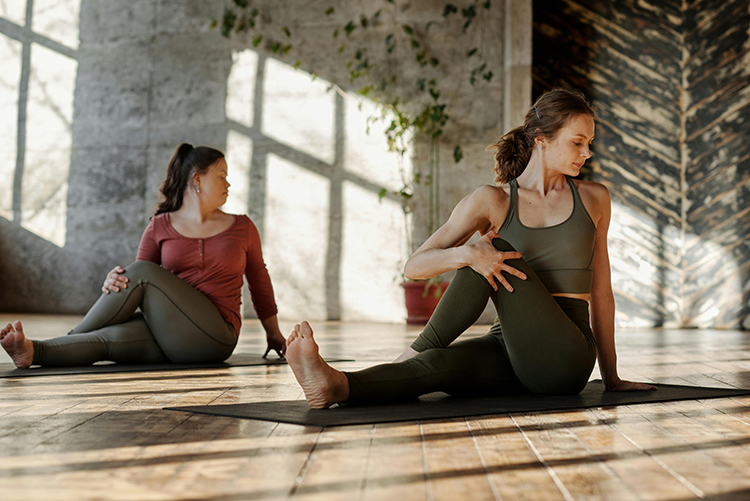
    2. Seated Twist (Ardha Matsyendrasana) 

    This stretch is a gentle twist that supports your digestive organs.

    How to do it: View this pose

    • Sit with one leg bent over the other
    • Hug your knee and twist toward it
    • Inhale to lengthen, exhale to deepen
    • Hold for 5–8 breaths, switch sides

    Use this pose when digestion feels “stuck” or sluggish.

    3. Little Thunderbolt Pose (Vajrasana)  

    This is an advanced pose. You can perform this rare pose immediately after eating.

    How to do it: View this pose

    • Kneel with hips resting on heels
    • Sit tall and relax your shoulders
    • Breathe naturally for 1–2 minutes

    Practice after meals to aid digestion and soothe reflux; it is especially effective as part of your yoga for digestion routine.

    4. Cobra Pose (Bhujangasana) 

    Opens the front body and improves circulation to the gut.

    How to do it: View this pose

    • Lie on your belly, hands under shoulders
    • Engage your thighs, lift your chest
    • Keep elbows close and breathe deeply
    • Hold for 15–30 seconds

    This pose is excellent for enhancing blood circulation and bringing vitality to your digestion-focused yoga practice.

    5. Seated Forward Fold (Paschimottanasana) 

    This is a calming stretch that compresses and stimulates the abdominal organs.

    How to do it: View this pose

    • Sit with legs extended
    • Inhale to lengthen the spine
    • Exhale and fold forward
    • Hold for 5–10 breaths

    This practice aids in reducing bloating and relieving tension and pairs well with breathwork in yoga for digestion.

    6. Happy Baby (Ananda Balasana) 

    Gently compress your gut while opening the hips.

    How to do it: View this pose

    • Lie on your back and grab the outsides of your feet
    • Pull knees toward the floor while pressing feet into hands
    • Relax your shoulders and breathe for up to a minute

    This pose is gentle yet powerful when included in any yoga for digestion routine.

    7. Bow Pose or Wheel Pose (Urdhva Dhanurasana)

    This pose stimulates the abdominal organs and improves circulation.

    How to do it: View this pose

    • Lie on your belly
    • Grab your ankles and lift your thighs.
    • Breathe deeply and hold for 20–30 seconds

    8. Cat-Cow Flow (Marjaryasana-Bitilasana)

    The cat-cow flow pose gently supports digestion, and it’s perfect for new yoga beginners.

    How to do it: View this pose

    • On all fours, inhale to arch (cow) and exhale to round (cat).
    • Repeat for 1–2 minutes

    As part of yoga for digestion practice, Cat-Cow helps stimulate the gut and get things moving.

    Advanced Yoga Breathing Techniques to help aid Digestion

    Kapalbhati Pranayama (Skull-Shining Breath)

    Kapalbhati (Sanskrit for “skull-shining breath”) is a cleansing breathing technique in yoga that uses active exhalation and passive inhalation. It helps clear the respiratory tract, energize the nervous system, and tone abdominal muscles.

    Key Benefits

    • Cleanses sinuses and lungs, supporting respiratory health
    • Strengthens the diaphragm and core, supporting digestion and posture
    • Increases metabolic rate and energy, while potentially aiding in blood sugar and weight management

    Step‑by‑Step Guide

    1. Start seated (Sukhasana or Padmasana), spine tall, hands on knees, palms up.
    2. Inhale naturally.
    3. Forceful exhale: pull the belly inward and exhale sharply through the nose (~20 breaths for one round).
    4. Passive inhale: allow the belly to relax.
    5. Repeat for 2–3 rounds, resting between each. 
    6. Pause afterward for a moment of calm.

    Video Tutorial

    Learn Kapalabhati (Skull Shining Breath)

    Agnisar Kriya (Fanning the Fire)

    Agnisar Kriya (‘Agni’ = fire, ‘Sara’ = essence) is a yogic belly-cleansing technique that involves deep belly contractions and passive breathing. It “fans the digestive fire,” helping with digestion, circulation, and detoxification. 

    Key Benefits

    • Stimulates digestive organs, supporting peristalsis and metabolism. 
    • Strengthens core muscles, promoting posture and abdominal tone.
    • It has the potential to alleviate GERD symptoms by enhancing diaphragmatic tone and LES pressure. 

    Step‑by‑Step Guide

    1. Start Position: Stand or sit comfortably with a straight spine—feet hip-width apart if standing. Hands rest lightly on your thighs.
    2. Full Exhale: Blow all the air out of your lungs, then hold the breath out.
    3. Draw In the Belly: Inhale your belly inwards and upwards beneath the ribcage, creating a soft vacuum effect.
    4. Perform Belly Pumps: With the breath held, rhythmically contract and release your abdominal muscles 10–20 times per round.
    5. Release and Rest: After each round, inhale normally, relax, and repeat 2–3 rounds.

    Tips and Modifications

    • Practice on an empty stomach for safety and comfort.
    • Start with 3–5 contractions, then build slowly.
    • Avoid straining—if you feel dizzy, slow down or stop.
    • Consult your healthcare provider if you have a hernia, hypertension, or are pregnant.

    Video Tutorial

    Learn Agnisar Kriya to Boost the Digestive System

    Wrap-Up: Let Movement Be Your Medicine

    If your digestive system feels off, these poses offer relief without medication. Yoga for digestion isn’t just about exercise; it’s about listening to your body and supporting it naturally.

    Try one pose today. Your belly may thank you for it.

    You’ve just explored eight gentle poses that can support digestion and bring ease to your belly. If you’re prepared to enhance your practice, Part 2 of our Yoga for Digestion series, “From Bloating to Balance,” provides simple breathwork techniques, mindful timing, and everyday tools to help you maintain your routine and feel your best. It’s a gentle next step in building a routine that supports your gut each day.

    Explore our Fitness and Exercise section for more wellness tips. Follow us on Facebook and Instagram for daily inspiration. Subscribe to our newsletter for curated content and practical ideas for healthy living.

    This post may contain affiliate links. If you click a link and make a purchase, Healthy Living—Today may earn a small commission at no additional cost to you. We only feature products, programs, or services we’ve researched and believe may support a healthy lifestyle. Prices are subject to change and may vary from what’s listed. This content is for informational purposes only and is not intended as medical advice. Individual results may vary, and we do not guarantee any specific outcome.
  • Building a Healthy Home Environment from the Inside Out

    Building a Healthy Home Environment from the Inside Out

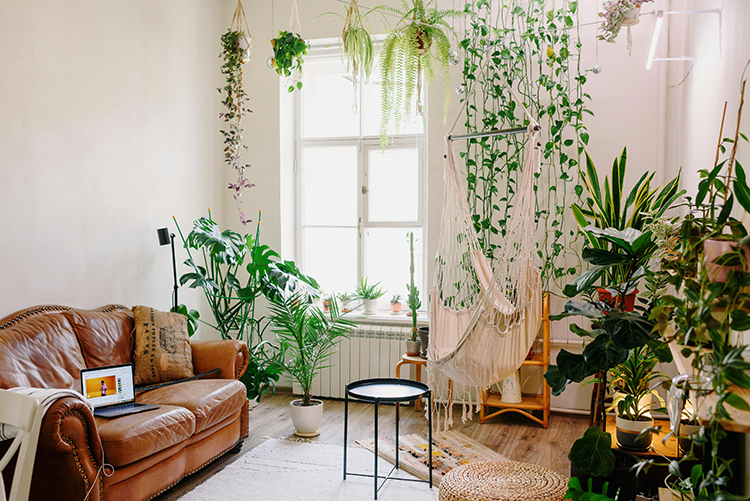
    Modern living room interior with abundant natural light and lush indoor plants:  This bright, plant-filled space beautifully illustrates the essence of a healthy home environment — natural light, greenery, and a cozy atmosphere that encourages wellness.

    Healthy Home, Healthy Life

    Your home should be a haven – a place that nurtures your body, calms your mind, and protects your health. Yet, many of us overlook how much our indoor environments influence everything from sleep quality to stress levels, immune function, and long-term disease risk.

    With Americans spending nearly 90% of their time indoors, a healthy lifestyle isn’t complete without a healthy home environment. From the air you breathe to the materials you touch, your home environment directly shapes your wellness outcomes. This in-depth guide explores the science behind a healthy home environment. In addition, it offers actionable tips and product spotlights to help you create a sanctuary that supports whole-body health.

    1. Indoor Air Quality: The Breath of Better Health

    Indoor air pollution is a hidden hazard. According to the EPA, indoor air can be 2 to 5 times more polluted than outdoor air — sometimes even more. Common sources include dust, pet dander, mold spores, cooking fumes, synthetic cleaning products, and volatile organic compounds (VOCs) emitted from furniture and flooring.  These pollutants have been linked to asthma, chronic bronchitis, cardiovascular issues, and neurodevelopmental problems in children.

    Recommended Product: SONA Ducty HS Air Purifier

    Create a healthy home environment with the SONA Ducty HS. The SONA Ducty HS uses the latest in plasma air purification technology to purify the air. This includes reducing contaminants such as allergens, smoke, odors, and more!  Its quiet performance and large room coverage make it ideal for bedrooms or living spaces.

    Science Spotlight:

    A 2020 Environmental Health Perspectives study found that households using HEPA-grade filters saw significant reductions in PM2.5 levels, thus leading to improved respiratory function in both children and adults.

    2. Surface Safety: Choosing Non-Toxic Materials and Cleaners

    Many household materials, such as vinyl flooring, synthetic upholstery, pressed wood furniture, can release VOCs for years after purchase. These toxins are linked to endocrine disruption, headaches, and long-term cancer risk. In addition, the problem is worsened by common cleaning products that contain ammonia, bleach, or synthetic fragrances.

    Recommended Product: Branch Basics Cleaning Essentials Kit

    This refillable, plant-based cleaner is free from harsh chemicals and artificial scents. It is also effective enough to tackle everyday messes. It’s safe for children, pets, and anyone with chemical sensitivities.

    Science Spotlight:

    A study in the American Journal of Respiratory and Critical Care Medicine found that regular use of chemical cleaners is as damaging to lung function as smoking 20 cigarettes a day over a 20-year period.

    3. Lighting and Circadian Health: Syncing with Your Body’s Clock

    Light isn’t just visual. Light is also biological. Natural sunlight helps regulate your circadian rhythm, thereby influencing everything from sleep quality to hormone production. Conversely, exposure to bright artificial light at night (especially blue light from screens) disrupts melatonin production and sleep architecture.

    Recommended Product: Philips Hue Smart Light Starter Kit

    With adjustable brightness and color temperature, these smart bulbs can be scheduled to mimic natural light cycles. As a result, they energize you during the day and helping you wind down at night.

    Science Spotlight:

    Circadian-disrupting lighting is associated with higher risk for insomnia, obesity, metabolic syndrome, and depression.

    4. Soundscapes and Serenity: Managing Noise Pollution

    Noise pollution, including traffic, appliances, or even internal chatter, contributes to elevated cortisol levels, poor sleep, and cardiovascular strain. Chronic exposure to environmental noise has been linked to increased hypertension and anxiety. Creating a healthy home environment with quiet zones or incorporating calming soundscapes can significantly reduce stress and improve cognitive performance.

    Recommended Product: Yogasleep Hushh Portable White Noise Sound Machine

    The Yogasleep Hushh Portable White Noise Sound Machine offers soothing white noise for better sleep, anywhere you go. Featuring three soothing sound options — bright white noise, deep white noise, and gentle surf — the Hushh helps block out disruptive noises, creating a calm environment. Its lightweight, portable design makes it easy to take on the go, whether you’re traveling or just moving from room to room.

    Science Spotlight:

    A 2018 study in Frontiers in Psychology found that exposure to nature sounds and white noise enhanced focus and reduced stress-related biomarkers in urban dwellers.

    5. Movement-Friendly Design: Supporting Physical Activity at Home

    Sitting for long hours is linked to metabolic dysfunction, muscle loss, and chronic inflammation — even among those who exercise regularly. A healthy home environment that promotes movement can combat sedentary behavior and improve posture, circulation, and energy.

    Recommended Product: Trideer Extra Thick Exercise (Yoga) Ball

    This anti-burst balance ball supports active sitting, gentle stretching, and core-strengthening workouts. It’s ideal for use at a desk, during TV time, or as part of your daily mobility routine.

    Science Spotlight:

    Light-intensity physical activity (like standing, stretching, or using a stability ball) significantly improves insulin sensitivity and reduces cardiovascular risk factors.

    6. Humidity and Respiratory Health

    Maintaining indoor humidity between 30% and 50% supports mucosal health, prevents dry skin, and reduces the spread of airborne viruses. Low humidity increases the risk of respiratory irritation, while high humidity encourages mold growth and dust mites.

    Recommended Product: LEVOIT LV600S Smart Humidifier

    Enhance your indoor air quality with the versatile LEVOIT LV600S Smart Humidifier, perfect for year-round comfort and ease. The LEVOIT LV600S Smart Warm and Cool Mist Humidifier is designed to deliver customized humidity levels in large rooms up to 753 sq ft. With both warm and cool mist options, it provides tailored comfort to suit any season. The patented Hybrid Mist Technology ensures efficient, even humidification, while the essential oil diffuser adds an aromatic touch to your home.

    Bringing It All Home

    Natural Materials & Eco-Conscious Choices

    Choosing sustainable, low-toxin materials reduces your environmental footprint and supports cleaner indoor air. Natural fibers like organic cotton, hemp, wool, and bamboo help regulate humidity, resist mold, and avoid the off-gassing that comes with synthetic fabrics and finishes.

    A Healthy Home Environment Supports a Healthy Mind

    Your surroundings shape your well-being. Clean, quiet, and naturally lit rooms promote:

    • Mental clarity and stress relief
    • Balanced emotions and better sleep
    • Stronger immunity and more stable energy
    • A more focused, restorative daily rhythm

    Designing a healthy home environment creates a foundation for every other aspect of wellness – whether you’re focused on movement, nutrition, or rest.

    Take Action Today

    You don’t need a full renovation to make a meaningful difference:

    • Open windows to let fresh air circulate
    • Replace chemical cleaners with non-toxic alternatives
    • Improve the air or lighting in just one room
    • Opt for natural materials wherever possible
    • Create quiet, screen-free areas for relaxation

    Your home is where your wellness begins. When you create an environment that’s clean, calm, and aligned with your health goals, you make space for energy, clarity, and resilience to thrive.

    Interested in more?

    Explore our Home & Environment section for tools and strategies to create healthy spaces. Follow us on Facebook and Instagram for daily inspiration. Subscribe to our newsletter for curated content and practical ideas for healthy living.

    This post may contain affiliate links. If you click a link and make a purchase, Healthy Living – Today may earn a small commission at no additional cost to you. We only feature products, programs, or services we’ve researched and believe may support a healthy lifestyle. Prices are subject to change and may vary from what’s listed. This content is for informational purposes only and is not intended as medical advice. Individual results may vary, and we do not guarantee any specific outcome.
  • A Foundation for Lifelong Wellness

    A Foundation for Lifelong Wellness

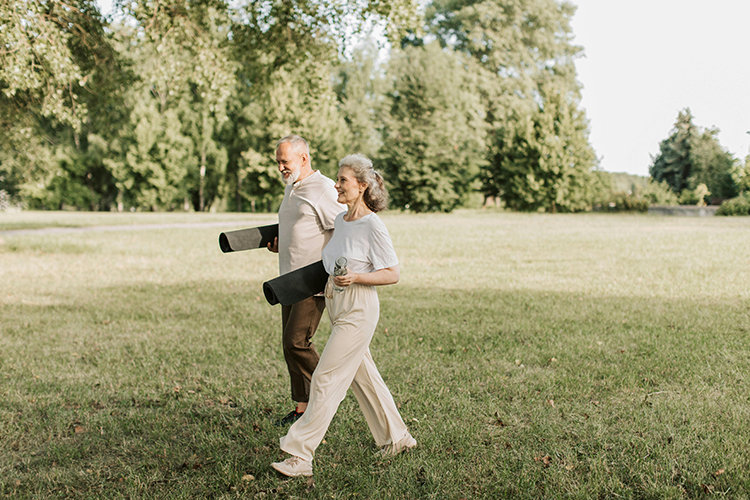
    A smiling senior couple walking outdoors in soft natural light, dressed casually, surrounded by greenery. Representing healthy aging, they appear active, joyful, and connected - capturing the essence of vitality, movement, and overall well-being.

    Healthy Aging

    Aging is a natural part of life. However, how we age can be influenced by the choices we make every day. At Healthy Living – Today, we believe that healthy aging is not just about living longer—it’s about living better. A vibrant, active lifestyle, combined with the right habits and tools, can help you maintain independence, energy, and peace of mind well into your later years. This healthy aging guide lays the foundation for lifelong wellness in every area of your life—from movement and nutrition to mental clarity and rest.

    Movement and Mobility for Healthy Aging

    Regular movement plays a central role in healthy aging, helping maintain independence and vitality. Walking, stretching, strength training, and balance exercises can reduce the risk of falls, keep joints mobile, and improve mood and brain function. In addition, daily movement helps promote circulation and cognitive sharpness.

    One helpful tool to add variety and safety to your routine is the Yes4All Versatile Wooden Balance Board. With its anti-skid surface and sturdy construction, it supports balance training and functional fitness at home—a great choice for maintaining mobility and confidence.

    Quick Tip: Begin with 10–15 minutes of activity each day, and gradually increase to 30 minutes to support your healthy aging journey.

    Nutrition and Supplements for Healthy Aging

    Good nutrition is a cornerstone of healthy aging, supporting everything from energy production to immune function. As we age, our bodies may absorb fewer nutrients. Therefore, it’s vital to eat a nutrient-dense diet that supports bone health, heart function, and energy levels. Focus on whole foods: vegetables, fruits, whole grains, healthy fats, and lean proteins.

    To supplement where diet may fall short, consider Garden of Life Vitamin Code 50+ Multivitamin for Men or Women, depending on your needs. These whole food-based multivitamins offer tailored support for immune health, brain function, and hormonal balance—all without synthetic additives. Also, starting your day with a high-fiber breakfast like Bob’s Red Mill Organic Steel Cut Oats can help regulate blood sugar, support digestion, and fuel long-lasting energy.

    Quick Tip: Stay hydrated, and include magnesium-rich foods or supplements to support muscle function and quality sleep.

    Sleep and Recovery for Healthy Aging

    Quality sleep is essential for healthy aging, affecting mood, memory, and physical recovery. In fact, poor sleep can impact everything from your immune system to emotional well-being. Establishing a calming bedtime routine and creating an environment that promotes rest can make a meaningful difference.

    Supplementing with Pure Encapsulations Magnesium Glycinate can support better sleep and muscle relaxation. This highly absorbable form of magnesium is gentle on digestion and promotes natural calm.

    Creating a peaceful sleep space with tools like the Philips Hue Smart Lighting System allows you to wind down with warm, adjustable lighting that mimics natural light cycles—helping to regulate circadian rhythms and support more restful sleep.

    Quick Tip: Stick to a consistent sleep and wake schedule to strengthen your body’s internal clock and improve sleep quality.

    Cognitive Wellness and Social Connection in Healthy Aging

    Healthy aging includes staying mentally and socially engaged. Lifelong learning, social connection, and emotional resilience all contribute to cognitive wellness. Reading, puzzles, hobbies, or learning new skills can sharpen memory and boost self-esteem.

    The Amazon Echo Show 5 is a compact smart display that supports both connection and convenience. You can stay in touch with family through video calls, set medication reminders, follow guided workouts, or listen to calming music—all hands-free.

    Quick Tip: Introduce one new activity into your routine each week—whether it’s a new recipe, language app, or short online class.

    Creating a Supportive Lifestyle for Healthy Aging

    Aging well isn’t about meeting impossible standards—it’s about making steady, intentional choices that help you feel strong, engaged, and fulfilled. Whether you’re embracing daily movement, upgrading your sleep space, or fueling your body with clean nutrition, each small decision adds up.

    At Healthy Living – Today, we’re here to support your wellness journey with actionable tips and trusted tools. Every action—from staying active to optimizing rest—contributes to your healthy aging journey. Let healthy aging be your commitment to greater independence, vitality, and joy in every season.

    Remember: It’s never too late to make choices that support your healthiest years ahead. Explore our Healthy Aging section for tools and strategies that fit your life. Follow us on Facebook and Instagram for daily inspiration. Subscribe to our newsletter for curated content and practical ideas for healthy living.

    This post may contain affiliate links. If you click a link and make a purchase, Healthy Living – Today may earn a small commission at no additional cost to you. We only feature products, programs, or services we’ve researched and believe may support a healthy lifestyle. Prices are subject to change and may vary from what’s listed. This content is for informational purposes only and is not intended as medical advice. Individual results may vary, and we do not guarantee any specific outcome.
  • Can Nature Podcasts Actually Lower Stress?

    Can Nature Podcasts Actually Lower Stress?

    Woman wearing a black sleeveless dress and white headphones, standing outdoors with eyes closed, appearing calm and focused while listening to nature podcasts for stress relief.

    nature podcasts for stress relief

    Stress builds up quietly. You may notice it in your breathing, your focus, or the way your body feels at the end of the day. While no single tool can solve everything, nature podcasts for stress relief are gaining attention for their ability to help people unwind, reset, and feel a little more grounded.

    These podcasts are more than background noise. They recreate the experience of being outside, hearing birds, moving water, and wind through trees, offering a break from the digital overload so common in everyday life.

    What the Science Says About Nature and Stress

    Spending time in nature is widely associated with better mental health, but even listening to nature sounds may offer similar benefits. Research has found that natural soundscapes can help the body recover from stress more quickly by supporting the nervous system’s shift back into a calmer state. This includes measurable changes like reduced skin conductance levels, improved heart rate variability, and lowered blood pressure when compared to exposure to urban noise.

    In some cases, just a few minutes of listening to recorded streams or forest sounds has been linked to lower anxiety levels and better cognitive performance. While most studies have focused on real-world outdoor environments, the growing evidence suggests that simulated nature, delivered through audio recordings, can have meaningful effects on mood and focus, especially when used consistently.

    The benefits of nature podcasts for stress relief may be subtle at first, but over time, they can help build healthier patterns for mental well-being.

    How to Use Nature Podcasts for Stress Relief

    Nature podcasts are easy to try and don’t require any special setup. They work best when you use them with intention, rather than just letting them play in the background. When used consistently, nature podcasts for stress relief can create a dependable cue to pause and recharge, even if only for a few minutes at a time.

    You can listen while getting ready in the morning, taking a walk, or doing something repetitive like folding laundry. Some people like them during short breaks at work, while others use them at bedtime to quiet their minds before sleep.

    Use these tips to ease into your listening habit:

    • Choose a podcast that feels right for your pace. Some feature only nature sounds, while others include soft narration or ambient music.
    • Start with 5 to 10 minutes and pay attention to how your body and mood respond.
    • Use headphones to block out distractions, especially in noisy environments.
    • Try closing your eyes while listening to help your brain settle into the experience.
    • Pair your listening with something relaxing, like gentle movement or writing down a few thoughts.

    If you want to make it part of a nighttime routine, the Hatch Restore 3 is a sleep tool that offers nature sounds, calming light, and guided wind-down features. Whether you use a product like that or your phone and earbuds, the goal is the same: to create a moment that helps you feel more calm and present.

    Podcasts to Try

    These nature podcasts for stress relief offer calming soundscapes and thoughtful audio environments that can support sleep, focus, or relaxation, whether you’re starting your day or winding it down.

    1. As the Season Turns

    As the Season Turns is a monthly podcast that delves into the subtle changes in nature throughout the year. Each episode combines gentle, poetic narration with field recordings from the British countryside. It’s a mindful way to reconnect with the rhythm of the natural world and is especially grounding when listened to regularly.

    2. Sound By Nature

    This podcast features long-form, unedited nature soundscapes recorded in quiet, remote places across the western United States. The episodes are free of narration and music, offering immersive audio experiences like alpine streams, desert wind, forest rainfall, and birdsong. It is a strong choice for extended listening, meditation, or focused downtime.

    3. Nature Sounds for Sleep, Meditation & Relaxation 

    This podcast offers a wide range of natural recordings, including thunderstorms, ocean waves, light rain, and birdsong. Episodes vary in length and are designed to help with sleep, reduce stress, or provide a steady, calming background during the day. There is no narration, just consistent, high-quality sound.

    4. Rainforest Slumber

    Calming rainforest audio with steady rainfall, quiet insects, and the soft rustle of leaves. Each episode focuses on slow, repetitive rhythms that support rest and relaxation. It is a good choice for those who prefer natural sounds with a tropical tone and minimal interruption.

    5. Relaxing White Noise

    One of the most widely used podcasts for sleep and concentration, this show features a mix of white noise and environmental sounds. Nature episodes include ocean waves, forest rainfall, and river streams, making it easy to find something that fits your needs. Episodes often run for several hours, which makes them helpful for overnight listening.

    6. White Noise and Sleep Sounds

    Designed for uninterrupted rest, these 12-hour episodes include ocean surf, gentle winds, and soft rain. The long duration helps create a consistent sleep environment or a steady focus zone without needing to restart or adjust volume during the night.

    7. Nature Sounds Oasis

    This podcast offers peaceful, high-quality recordings of creeks, rain, wind, and other natural elements. The soundscapes are carefully balanced to support both meditation and deep rest. It is a great choice if you want something simple, steady, and distraction-free.

    8. Sounds for Deep Sleep: White Noise, Ambience & Nature Sounds

    Offers a variety of sound environments, including ocean waves, forest rain, and distant thunder. Each episode runs for hours to help listeners settle into deeper rest without interruption. A helpful option for reducing nighttime wake-ups or masking household noise.

    Make Listening More Comfortable and Convenient

    Nature podcasts are easiest to stick with when the setup works for you. These quick adjustments can improve sound quality, reduce distractions, and make the experience more enjoyable.

    • Use headphones in public or shared spaces: They block out background noise and make subtle sounds like wind or birds easier to hear
    • Play through a speaker at home: A bedside speaker or kitchen smart device makes it simple to add calming audio to your space without reaching for your phone
    • Pick a consistent spot: A quiet corner or a space you already associate with rest can help you settle into the habit
    • Dim the lights in the evening: Softer lighting signals your body it’s time to unwind, especially before bed
    • Silence notifications: Use a focus mode or do not disturb setting to avoid interruptions while listening

    You don’t need to follow every step. Just a few changes can make the experience more effective and easier to come back to.

    Take What Works, Leave the Rest

    Nature podcasts aren’t meant to fix everything, but they can help you slow down, shift your focus, and feel more at ease. Whether you’re easing into sleep, clearing your head during a stressful day, or setting a calmer tone for your routine, nature podcasts for stress relief can offer just enough pause to help you feel more grounded.

    Try a few options, keep the ones that work, and return to them when you need a reset.

    For more ways to support your mental well-being, visit our Mental Health & Well-Being section. Follow us on Facebook and Instagram for daily content that supports a calmer, healthier life. Subscribe to our newsletter for curated wellness tools, trusted product spotlights, and timely seasonal tips delivered straight to your inbox.

    This post may contain affiliate links. If you click a link and make a purchase, Healthy Living – Today may earn a small commission at no additional cost to you. We only feature products, programs, or services we’ve researched and believe may support a healthy lifestyle. Prices are subject to change and may vary from what’s listed. This content is for informational purposes only and is not intended as medical advice. Individual results may vary, and we do not guarantee any specific outcome.
  • Balanced, Budget-Friendly Recipes for Blood Sugar Control

    Balanced, Budget-Friendly Recipes for Blood Sugar Control

    A colorful, low-glycemic assortment of a vegetable salad featuring fresh tomatoes, cucumbers, leafy greens, and onions. This fiber-rich, non-starchy meal supports balanced blood sugar and is ideal for affordable diabetes meal planning.

    Affordable Diabetes Meal Planning

    Eating well with diabetes does not have to be expensive. With a little strategy and support, affordable diabetes meal planning can be satisfying and sustainable. Prioritizing whole foods, quick recipes, and budget-friendly choices makes it easier to eat healthy and balance blood sugar without overspending.

    Affordable meals aren’t just about cutting costs; they’re about smart choices that nourish your body and help you manage your blood sugar with confidence.

    Why Budget Diabetes Meal Planning Works

    Budget diabetes meal planning helps reduce blood sugar spikes, improves nutrition, and stretches your grocery dollars. Using a few staple ingredients like whole grains, legumes, and vegetables, you can prepare nourishing meals that support both your health and your budget.

    When you plan meals ahead, you’re less likely to reach for takeout or packaged foods that spike your blood sugar and cost more long-term.

    Stock Up on Affordable Whole Foods

    Whole foods are the foundation of a budget-friendly diabetes meal plan. Keep these low-cost staples on hand:

    • Beans and lentils are a great fiber and protein combo
    • Oats and brown rice are low-glycemic grains that are affordable
    • Frozen vegetables and fruits have a longer shelf life and are just as nutritious
    • Eggs and canned tuna are great, blood sugar-friendly proteins and inexpensive

    Easy, Budget-Friendly Meal Ideas

    With affordable diabetes meal planning, you can keep meals simple while still managing your blood sugar levels:

    • Oatmeal with berries and almond butter
    • Stir-fried frozen veggies and eggs over brown rice
    • Black bean tacos with avocado and salsa
    • Vegetable soup with barley and lentils
    • Rotisserie chicken with roasted frozen vegetables and quinoa
    • Canned salmon salad with chickpeas, greens, and olive oil

    Batch cook when you can, as it saves time and reduces waste.

    Understand Labels to Shop Smart

    The ADA’s “How to Eat Healthy” and “4 Ways to Make Grocery Shopping Easier” pages offer in-depth tips on selecting foods that support overall health and blood sugar balance:

    • How to Eat Healthy” explores food swaps, label reading, and meal planning strategies.
    • 4 Ways to Make Grocery Shopping Easier” provides step-by-step advice for grocery lists, budgeting, and reading Nutrition Facts labels.
    • Look for low added sugar (<5 g per serving)
    • Choose products with 3+ grams of fiber
    • Watch out for portion sizes—they matter! The Uba Portion Control Plate may help support your dietary goals, making it easier and more structured to serve portion-sized healthy meals.
    • Unsweetened nut milks, no-salt-added canned goods, and brown rice over instant white rice are smart swaps that stretch your grocery budget while supporting better nutrition.

    Low-Cost Cooking Hacks That Work

    Shop store brands, buy in bulk, and prep ahead. Repurpose leftovers into new meals—for example, use lentils from Monday’s soup in a taco filling or grain bowl later in the week. Keep veggie scraps to make your own broth. The less food waste, the more savings.

    Free Resources with Affordable Diabetes Meal Planning in Mind

    Explore these tools to make eating healthy on a budget easier:

    These resources make affordable diabetes meal planning more accessible, no matter your income.

    Get Support From Diabetes Experts

    Don’t attempt this alone. A diabetes educator or registered dietitian can guide your affordable diabetes meal planning, offer personalized food swaps, and help you lower food costs.

    Many local clinics and pharmacies also offer free nutritional consultations or group classes. Consider exploring your local community resources.

    Use this diabetes educator map to find help near you.

    Explore Local Nutrition Assistance Programs

    Eating well shouldn’t depend on your income. If you’re struggling, look into:

    • SNAPGrocery benefits for qualifying households
    • WICNutrition support for women, infants, and children
    • Feeding America can assist in finding your local food pantries  that often carry fresh produce and shelf staples

    These services can directly support your affordable diabetes meal planning

    You Can Eat Well Without Overspending

    Affordable diabetes meal planning is about creating meals that are practical, budget-friendly, and supportive of blood sugar balance. Start with what you can. Batch cook oats, switch to canned beans, or connect with a local food program. Every step makes an impact on your health. 

    Progress matters more than perfection. Easy swaps like switching white rice for brown or skipping sugary drinks can lead to a healthier you over time.

    Take a few minutes to read our latest article, Living with Diabetes. When you subscribe, you will receive a free 7-day diabetes-friendly meal planner to help get you started.

    Want more tips on how to eat well and feel your best? Visit our Food & Nutrition section for guidance, product spotlights, and everyday inspiration. Ready to stay informed? Sign up today for our newsletter and follow us on Facebook and Instagram for simple recipes and wellness ideas for your whole family. 

    This post may contain affiliate links. If you click a link and make a purchase, Healthy Living—Today may earn a small commission at no additional cost to you. We only feature products, programs, or services we’ve researched and believe may support a healthy lifestyle. Prices are subject to change and may vary from what’s listed. This content is for informational purposes only and is not intended as medical advice. Individual results may vary, and we do not guarantee any specific outcome.

  • Is Your Child Overscheduled? Spot the Hidden Signs of Burnout

    Is Your Child Overscheduled? Spot the Hidden Signs of Burnout

    Young girl sitting alone on a tennis court looking tired and discouraged, with a tennis racket beside her. The image reflects the emotional toll of overscheduled after-school activities.

    Impact of after-school activities

    After-school activities can be a great way for kids to build skills, explore interests, and stay active. But when every afternoon and weekend is packed, even fun routines can become overwhelming.

    If your child seems worn out, anxious, or moody, their schedule may be affecting their well-being. Being busy doesn’t always mean being balanced. Kids also need downtime to rest, play, and simply be themselves.

    Why a Busy Schedule Isn’t Always a Healthy One

    The mental load of constant activity can build up, even when each individual event seems manageable. For kids, moving from school to lessons to practice without time to reset can quietly chip away at their energy and emotional resilience.

    A recent study on youth mental health found that children with tightly packed schedules were more likely to experience anxiety and emotional exhaustion. When there’s no downtime, even fun activities can start to feel like pressure instead of joy.

    How to Tell When After-School Activities Are Too Much

    Every child is different, but some warning signs are easy to miss at first. If your child starts avoiding activities they once enjoyed, has trouble falling asleep, or seems more distracted at school, it might be worth reassessing their schedule.

    Complaints like headaches or stomach aches, especially before busy days, can be signs of stress. Mood changes matter too. If your child seems more irritable or withdrawn, or if they’re always asking for screen time to “zone out,” they might need more breathing room.

    It helps to ask open-ended questions about how they’re feeling and what they enjoy. You might discover that one or two adjustments could make a big difference.

    Common Signs Your Child Might Be Overscheduled

    Here’s what to watch for:

    • They seem tired even after a full night of sleep
    • They complain of headaches, stomachaches, or vague discomfort
    • Their mood shifts quickly, or they seem more anxious than usual
    • They’ve lost interest in things they usually enjoy
    • Homework feels overwhelming or always rushed
    • They’re asking for more screen time as a way to zone out

    These signs can be subtle, especially when they show up gradually. But when they begin to affect daily routines, it’s worth asking whether there’s enough time in their week to rest, play, and recharge. If your child has a hard time settling down after school or activities, some science-backed habits for stress relief can help ease the transition.

    How to Step Back Without Stepping Away

    You don’t have to cancel everything to restore calm. Even one or two little changes can open up time to reset and connect.

    Try these ideas:

    • Keep one evening a week free for unstructured time
    • Ask your child which activities they’d keep and which feel like pressure
    • Use part of the weekend for quiet routines like movie night or a walk together

    If your week always feels full, try color-coding your calendar: one color for school, another for extracurriculars, and a third for free time. This simple visual can help identify what’s taking up most of the week and where you might create space.

    Sometimes, the family schedule feels hectic because parents are stretched thin too. Taking a moment to reflect on your own daily rhythm can help you decide what changes will benefit everyone, not just your child.

    Even a few small tweaks can help kids feel more grounded and relaxed. Creating a space for unstructured time, quiet conversation, or a mindful moment can go a long way. Tools like these kid-friendly reflection cards can support that transition and encourage calm without adding more to your plate.

    Creating a Routine That Works for Your Family

    There’s no one right way to structure your child’s time. Some families thrive with full calendars, while others do better with slower afternoons and more room for spontaneity. The key is to notice what’s working and be willing to shift when something feels off.

    That might mean protecting weekend downtime, letting go of one too many sign-ups, or creating routines that feel more manageable for everyone involved. 

    When there’s a little more space in the day, kids often rediscover things they love, like drawing, building, reading, or simply playing outside. These slower moments can support creativity, reduce stress, and strengthen family connection in ways a full schedule cannot.

    What matters most is staying tuned in to what’s helping and what’s wearing everyone out. When kids have time to rest, reflect, and just be, they’re more likely to thrive.

    Want More Support?

    Explore our Family Health section for practical strategies and real-world insights on raising healthy, happy kids. Follow us on Facebook and Instagram for daily tips and inspiration for managing family routines. Subscribe to our newsletter for curated articles, product spotlights, and tools to support your parenting goals.

    This post may contain affiliate links. If you click a link and make a purchase, Healthy Living – Today may earn a small commission at no additional cost to you. We only feature products, programs, or services we’ve researched and believe may support a healthy lifestyle. Prices are subject to change and may vary from what’s listed. This content is for informational purposes only and is not intended as medical advice. Individual results may vary, and we do not guarantee any specific outcome.
  • Home Workout Routines for Healthy Aging

    Home Workout Routines for Healthy Aging

    Senior woman exercising on a fitness ball at home

    Why Exercise Is Crucial for Healthy Aging

    Maintaining an active lifestyle becomes increasingly important for overall health and well-being as we age. Regular exercise helps improve mobility, strengthen muscles, boost cardiovascular health, and enhance mental clarity. The beauty of this is that you don’t need a gym membership or fancy equipment to stay fit — home workouts, which you can do at your convenience, can be just as effective.  This guide will cover the best home workout routines for healthy aging, including exercises to improve strength, flexibility, and balance. Additionally, we’ll recommend five valuable products to enhance your home workouts.

    Stay Active, Stay Strong

    Natural aging leads to muscle loss, decreased flexibility, and a slower metabolism. However, incorporating regular exercise into your routine can help:

    • Maintain Muscle Mass – Strength training prevents muscle loss and improves bone density.
    • Enhance Mobility & Flexibility – Stretching exercises keep joints supple and reduce the risk of injury.
    • Boost Heart Health – Cardio workouts lower blood pressure and improve circulation.
    • Improve Balance & Stability – Balance exercises reduce the risk of falls and enhance coordination.
    • Support Mental Well-being – Physical activity releases endorphins, reducing stress and enhancing mood.

    Now, let’s dive into some effective home workout routines for healthy aging.

    Home Workout Routine for Healthy Aging:  Strength & Endurance

    Strength training is essential for maintaining muscle tone and preventing age-related weakness. Following is a basic routine that requires minimal equipment and can be in your living room.

    Bodyweight Strength Routine (Perform 2–3 times per week)

    Chair Squats (10–15 reps)

    • Stand before a chair, lower yourself as if sitting, and then rise back up.
    • It engages leg muscles and improves balance.

    Wall Push-Ups (10–12 reps)

    • Stand facing a wall, place your hands shoulder-width apart, and push your body toward the wall.
    • Works the chest, arms, and shoulders.

    Seated Leg Lifts (10 reps per leg)

    • Sit on a chair, extend one leg straight, hold for a few seconds, then lower it.
    • Strengthens thighs and improves mobility.

    Standing Calf Raises (15 reps)

    • Stand tall and lift onto your toes, then lower down slowly.
    • Strengthens lower legs and improves balance.

    Bicep Curls with Light Dumbbells (10–12 reps)

    • Hold a light dumbbell in each hand and curl toward your shoulders.
    • It builds arm strength and prevents muscle loss.

    Pro Tip: Use light weights or resistance bands to add extra resistance for a more significant challenge.

    Home Workout Routine for Healthy Aging:  Flexibility & Mobility

    Flexibility and mobility exercises help maintain joint health and prevent stiffness. Consider performing the following stretches daily.

    Gentle Stretching Routine (Daily)

    1 . Neck Stretch

    • Slowly tilt your head to one side, bringing your ear toward your shoulder. Hold for 15 seconds per side.

    2.  Shoulder Rolls

    • Roll your shoulders forward and backward in circular motions to release tension.

    3.  Seated Spinal Twist

    • Sit on a chair, place one hand on the opposite knee, and gently twist your torso.

    4.  Hamstring Stretch

    • Sit with one leg extended, reach for your toes, and hold for 20 seconds per leg.

    5.  Ankle Circles

    • Rotate each ankle in circles to improve flexibility and reduce stiffness.

    Pro Tip: Incorporate deep breathing while stretching to enhance relaxation and circulation.

    Home Workout Routine for Healthy Aging:  Balance & Stability

    Falls are a leading cause of injury in older adults. Performing regular balance exercises can improve stability and coordination.

    Balance & Stability Routine (3–4 times per week)

    1. Heel-to-Toe Walk (10 steps forward and backward)

    • Walk straight, placing one foot directly in front of the other.

    2. Single-Leg Stand (10 seconds per leg)

    • Stand on one leg, using a chair for support if needed.

    3. Side Leg Lifts (10 reps per side)

    • Hold onto a chair, lift one leg to the side, then lower it slowly.

    4. Seated Marching (15 reps)

    • Sit on a chair and lift your knees one at a time to mimic marching.

    5. Tai Chi Arm Circles (Slow, controlled movements)

    • Extend your arms and make slow, circular motions.

    Pro Tip: Practicing barefoot can help improve foot strength and stability.

    Home Workout Routine for Healthy Aging:  Cardiovascular Health

    Cardio exercises improve heart health and endurance. You don’t need intense workouts—low-impact movements work just as well.

    Low-impact cardio Routine (3–5 times per week)

    1. Marching in Place (2 minutes)

    • Lift your knees high and swing your arms.

    2. Side Steps with Arm Swings (2 minutes)

    • Step side to side while moving your arms.

    3. Chair Toe Taps (1 minute)

    • Tap your toes on a sturdy chair while alternating feet.

    4. Seated Jumping Jacks (10 reps)

    • Sit on a chair and mimic the motion of a jumping jack.

    5. Step-Ups on a Low Step (10 reps per leg)

    • Step onto a sturdy platform, then step back down.

    Pro Tip: Start slow and gradually increase your intensity as your stamina improves.

    Spotlighted Products for Home Workout Routines for Healthy Aging

    While you don’t need fancy equipment to exercise at home, certain products can enhance and make your workouts more effective. Here are five great options, all of which are uncomplicated to use and can easily fit into your home workout space:

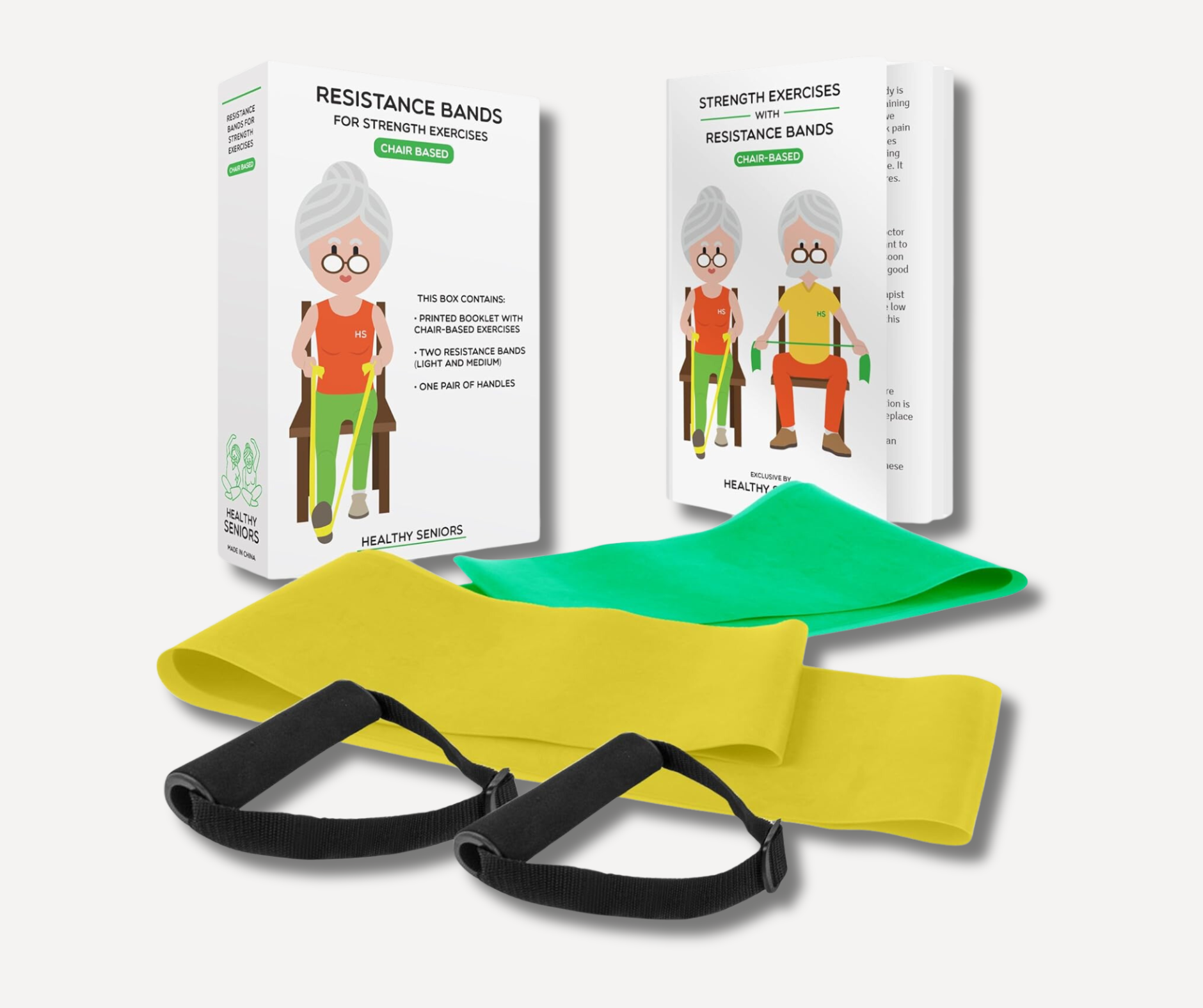
    1. Resistance Bands Set

    Healthy Seniors Chair Exercise Bands Set

    Why it’s useful: Resistance bands provide a safe and effective way to strengthen muscles without heavy weights.

    Recommended Product: Healthy Seniors Chair Exercise Bands Set

    2. Stability Ball

    Trideer Extra Thick Exercise Ball in a gym setting, designed to support balance, flexibility, posture, and core strength for anyone focused on healthy, low-impact movement.

    Why it’s useful: Helps improve core strength, balance, and posture while performing exercises.

    Recommended Product: Trideer Extra Thick Exercise Ball

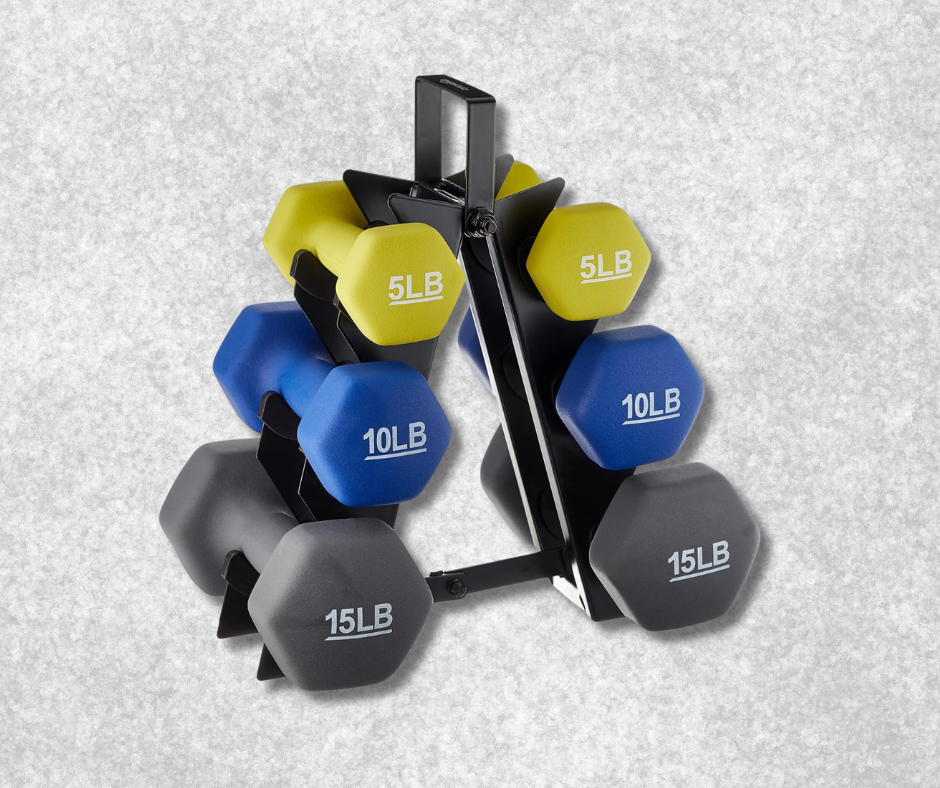
    3. Lightweight Dumbbells

    Amazon Basics Neoprene Dumbbell Hand Weights

    Why it’s useful: Great for gentle strength training and improving upper-body endurance.

    Recommended Product:  Amazon Basics Neoprene Dumbbell Hand Weights

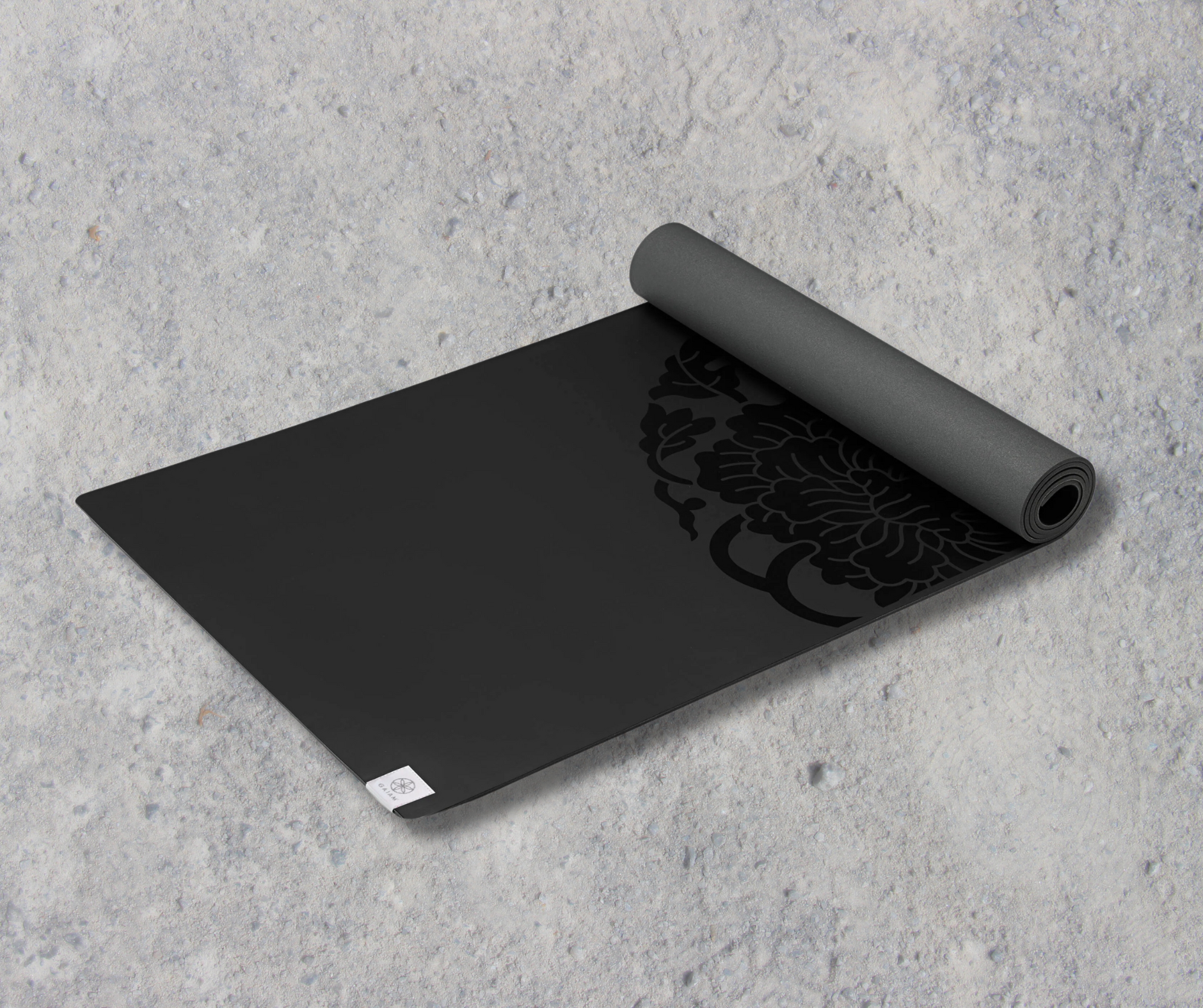
    4. Yoga Mat

    Gaiam Dry-Grip Yoga Mat

    Why it’s useful: Provides comfort and stability during stretching and floor exercises.

    Recommended Product: Gaiam Dry-Grip Yoga Mat

    5. Balance Board

    Yes4All wooden balance board shown on a gradient background, designed to support balance, coordination, and lower body strength for fitness, rehabilitation, and overall mobility.

    Why it’s useful: Enhances stability and coordination, reducing the risk of falls.

    Recommended Product: Yes4All Wooden Balance Board

    Home Workout Routines for Healthy Aging: Your Path to Lifelong Wellness

    Healthy aging is about staying active, maintaining mobility, and enjoying life to the fullest. The key is consistency — find exercises you want and make them a part of your daily routine. Whether it’s strength training, stretching, balance work, or cardio, every movement counts!  With the right mindset and a few regular exercises, you can maintain strength, flexibility, and independence well into your golden years. Start today, and take control of your health from the comfort of your home!

    Your Turn: Which exercises do you plan to try first? Let us know in the comments!

    Interested in more?

    Explore our Healthy Aging section for tools and strategies that fit your life. Follow us on Facebook and Instagram for daily inspiration. Subscribe to our newsletter for curated content and practical ideas to help you stay active, eat well, sleep better, and stay connected.

    This post may contain affiliate links. If you click a link and make a purchase, Healthy Living – Today may earn a small commission at no additional cost to you. We only feature products, programs, or services we’ve researched and believe may support a healthy lifestyle. Prices are subject to change and may vary from what’s listed. This content is for informational purposes only and is not intended as medical advice. Individual results may vary, and we do not guarantee any specific outcome.

  • Nature Breaks for Mental Health: What the Research Says

    Nature Breaks for Mental Health: What the Research Says

    Sunlight filters through a green forest canopy over a wooden path, illustrating how nature affects mental health and supports relaxation.

    how nature affects mental health

    If you’ve ever felt calmer after a walk outside, there’s a reason for that. Spending time in nature, even for just a few minutes, can lower stress, improve mood, and help you feel more focused. You don’t need to hike a mountain or live near a forest. Outdoor moments, like sitting on a bench or walking through a park, can support mental well-being in meaningful ways.

    Studies continue to show that these experiences do more than offer a quick boost. Time in natural settings may play a lasting role in how we manage stress and maintain emotional balance.

    What Science Says About Nature and Mental Health

    You don’t need hours outdoors to feel better. Just a short break in a natural setting can help calm your mind. One study found that spending 10 to 20 minutes outside in a green space led to noticeable drops in stress and improvements in mood. The time didn’t have to be active either. Sitting or walking quietly was enough to support mental health.

    These findings are echoed by recent research that used brain imaging to show how natural environments may reduce activity in areas of the brain associated with rumination, or repetitive negative thinking. By offering a break from overstimulation, nature appears to help people feel more emotionally regulated.

    Part of the reason nature is so effective may be that it gives your brain a break from constant input. Being outside also supports natural rhythms like sleep and focus, which can make it easier to manage stress over time.

    The body’s parasympathetic nervous system, often referred to as the “rest and digest” system, is activated in calming outdoor settings. This shift slows breathing, loosens muscles, and helps regulate heart rate. Over time, regular activation of the parasympathetic nervous system may also support better digestion, improved immune response, and greater resilience to chronic stress.

    Children and teens benefit as well. According to the American Psychological Association, nature exposure is linked to lower levels of emotional distress, especially among kids living in urban or high-stress environments. Regular time outdoors has also been tied to improved attention and stronger coping skills in adolescence.

    Another recent study even found that watching videos of natural settings helped lower stress levels in adolescents. The effect was more pronounced in those who felt a stronger personal connection to nature. This suggests that emotional ties to the natural world can shape how meaningful even brief or virtual exposure can be.

    Some people find that combining outdoor time with a short mindfulness practice enhances the effect. Tools like Headspace offer guided options that pair well with a walk in the park or a few moments of quiet in a backyard or on a balcony.

    Simple Nature Breaks That Can Change Your Day

    You don’t need hours in the woods to experience the benefits of nature. Even short breaks outside can have a big impact. Here are some ideas that can work well, especially on busy days:

    • Step outside between tasks: A 10-minute walk around the block can improve focus and reset your mood
    • Look for nearby green space: A park, garden, or tree-lined street can offer similar benefits as larger natural areas
    • Sit by a window: Even seeing greenery or sunlight through glass can help regulate your nervous system
    • Try a walk-and-talk meeting: Replacing a phone call with a short walk can support productivity and well-being
    • Eat outdoors: Having lunch on a porch or in a sunny spot can offer a refreshing change in your routine

    If you want a bit more support on outdoor walks, especially over uneven ground, something like the Cascade Mountain Tech Carbon Fiber Trekking Poles can offer added stability and help you feel more confident on the move.

    Making Outdoor Time More Accessible

    Spending time outside isn’t always easy. Weather, mobility, or a lack of nearby green space can create real barriers. But there are still ways to connect with nature, even if you’re indoors or in an urban setting.

    • Use nature sound playlists to mimic calming outdoor environments
    • Bring nature inside with plants, natural light, or photos of outdoor spaces
    • Choose walking routes with trees or gardens, even if it’s a few blocks out of the way
    • Try mindful breathing or stretching near an open window to simulate the experience of being outside

    If you’re looking for more ways to reset during stressful days, we’ve pulled together simple ways to reset that are easy to build into your week, feel good, and backed by research.

    Seasonal Adaptations for Outdoor Time

    Staying connected to nature doesn’t have to stop when the weather changes. In colder months, layering up for a short walk or spending time near a bright window can still provide many of the same mental health benefits. Exposure to natural light, even in small amounts, may help regulate mood and support your body’s internal clock.

    In summer or during periods of poor air quality, moving outdoor time to early mornings or evenings can make a difference. Shaded walking paths, covered porches, and indoor gardens or conservatories can offer access to green space without added strain. On days when it isn’t safe or practical to be outdoors, using houseplants, natural light, and nature-based videos or soundscapes can still help engage the senses and promote calm.

    The goal is to keep nature present in a way that works for your environment and energy level. These seasonal shifts don’t have to interrupt the routine. They’re an opportunity to approach nature in a way that feels supportive throughout the year.

    Why It’s Worth Making Time Outside: How Nature Affects Mental Health 

    Nature may not solve every problem, but it can play a meaningful role in feeling more balanced and clear-headed. Whether it’s a quiet morning on the porch or a short walk after dinner, these moments can support focus, mood, and resilience. You don’t need perfect weather or a big plan. What matters most is making outdoor time a regular part of your week.

    Keep Exploring

    Looking for more ways to support calm, clarity, and emotional well-being in everyday life?

    Visit our Mental Health & Well-Being section for insights, research-backed practices, and curated tools that make time in nature even more impactful. Follow us on Facebook and Instagram for ideas and inspiration throughout the week. Want thoughtful content like this delivered to you? Subscribe to our newsletter and get handpicked resources straight to your inbox.

    This post may contain affiliate links. If you click a link and make a purchase, Healthy Living – Today may earn a small commission at no additional cost to you. We only feature products, programs, or services we’ve researched and believe may support a healthy lifestyle. Prices are subject to change and may vary from what’s listed. This content is for informational purposes only and is not intended as medical advice. Individual results may vary, and we do not guarantee any specific outcome.