
Author: Healthy Living – Today

  • Make Mornings Less Chaotic

    Make Mornings Less Chaotic

    A family preparing breakfast together in a bright kitchen, with kids helping set the table.

    Eight Ways to Make Mornings Less Chaotic

    Why Mornings Feel So Stressful

    The first hour of your day can shape how the rest of it goes. When everyone is moving in different directions and the clock is ticking, it’s easy for mornings to spiral into frustration. For many parents, trying to get kids dressed, fed, and out the door while juggling backpacks, lunches, and permission slips can feel like a daily race. A calmer morning doesn’t have to be perfect. It just needs to be more predictable. The eight make your mornings less chaotic strategies below are simple but powerful ways to bring more structure, peace, and connection to your family’s morning routine.

    1. Prep the Night Before

    Spending even 15 minutes getting ready the night before can make your mornings feel easier. Lay out clothes, pack lunches, fill water bottles, and double-check backpacks. Review your calendar or the school schedule to catch anything unexpected.

    Doing these small things ahead of time reduces the number of choices and tasks you face when you are tired or in a hurry. Making fewer decisions in the morning can help you feel more in control and less stressed.

    Helpful product: Bentgo Leak-Proof Lunch Boxes make it simple to prepare lunch ahead of time in neat, kid-friendly portions.

    2. Wake Up Just 10 Minutes Earlier

    Even a few quiet minutes before the house wakes up can help you feel more grounded and less reactive. Use that time to stretch, sip coffee, breathe, or check the weather. Those quiet minutes let you feel calmer and more prepared when everything starts moving.

    It may feel hard at first, especially if you’re already tired, but a short head start can make a big difference in how your whole morning feels.

    3. Use a Visual Routine Chart

    Kids do better when they know what comes next. A morning routine chart gives them something they can follow without needing reminders every few minutes. This helps them feel confident and gives you fewer things to manage at once.

    Try charts with simple words or pictures that list each step, like getting dressed, brushing teeth, and putting on shoes. Let your child check off items or move magnets as they finish tasks.

    4. Set a No-Screens-Until-Ready Rule

    Tablets, phones, and TV can slow everything down. Once kids (or adults) start watching something, it’s hard to pull them away.

    A helpful rule is: no screens until everyone is dressed, eaten, and ready to leave. Try music, a short audiobook, or even natural background sounds to keep the mood calm without distraction.

    You can also involve your child in choosing a fun playlist to make mornings more enjoyable.

    5. Rotate Reliable Breakfasts

    Breakfast should be easy, filling, and something your kids will actually eat. You don’t need to cook something new every day. Choose three to five breakfasts that you can rotate through the week.

    Smoothies, oatmeal, toast with nut butter, or yogurt with fruit are great choices. These meals offer protein, fiber, and healthy fats, which can help kids stay full and focused longer. Eating a breakfast that includes both complex carbs and protein has been shown to support attention and memory in school-aged children.

    Helpful product: The Vitamix A2300 Ascent Series Blender makes it easy to blend nutritious smoothies and breakfast mixes, giving kids the fuel they need in just a few minutes.

    6. Build in a Time Buffer

    Planning for everything to go exactly right is risky. Life happens. Kids spill cereal, socks go missing, or someone suddenly remembers a form that needs to be signed.

    Instead of aiming to leave at the exact time you need to, try leaving ten minutes earlier. This buffer can reduce the stress of being late and gives you space to handle problems without rushing or snapping.

    When things do go smoothly, you get to leave the house feeling calm instead of frazzled. That alone can help make mornings less chaotic for everyone.

    7. Keep a Launch Zone by the Door

    Create a spot near the door where everything needed for the day lives. This can include backpacks, jackets, lunchboxes, shoes, and anything else your kids need to grab on the way out.

    When kids know where to find their things, it saves time and prevents last-minute stress. You can use a bench, bins, wall hooks, or even a small cart to keep things tidy and ready.

    A launch zone also helps teach responsibility as kids learn to prepare their own gear the night before.

    8. Create a Positive Start Ritual

    How your child feels when they leave the house can shape how they handle the rest of their day. A short, positive ritual in the morning builds a sense of safety and connection that stays with them, even after the door closes.

    It doesn’t have to be big or complicated. Try something simple like a high-five before leaving, a fun phrase you say together, a few deep breaths while getting coats on, or playing a favorite song in the car. The key is doing it consistently so it becomes part of your family’s rhythm.

    These little moments help kids feel noticed and supported. When mornings begin with connection, it becomes easier to stay grounded and make mornings less chaotic from the start.

    Making Mornings Work for Your Family

    There’s no such thing as a perfect morning. But there is a better one. When routines are clear and predictable, everyone starts the day with less stress and more confidence. Whether you’re prepping the night before, using a checklist, or giving yourself a few extra minutes of calm, small changes can lead to big improvements.

    Try one or two ideas that feel right for your family and see how they make mornings less chaotic over time. Mornings may still be busy, but they don’t have to feel overwhelming.

    Looking for more ways to build healthy routines that actually stick?

    Visit our Family Health section for simple strategies that support your home life. Subscribe to our newsletter for helpful tools, product spotlights, and ideas you can actually use. Follow us on Facebook and Instagram to stay connected and get fresh inspiration every week.

    This post may contain affiliate links. If you click a link and make a purchase, Healthy Living – Today may earn a small commission at no additional cost to you. We only feature products, programs, or services we’ve researched and believe may support a healthy lifestyle. Prices are subject to change and may vary from what’s listed. This content is for informational purposes only and is not intended as medical advice. Individual results may vary, and we do not guarantee any specific outcome.

  • Best Meditation Apps For Stress And Sleep

    Best Meditation Apps For Stress And Sleep

    A woman lying in bed wearing wireless headphones, listening to audio content for relaxation, sleep, or meditation.

    Real-Life Mindfulness: 5 Meditation Apps That Actually Help

    Mindfulness looks different for everyone. For some, it’s a few quiet minutes before the kids wake up. For others, it’s a breathing exercise between back-to-back meetings or a way to wind down before sleep. No matter what it looks like, finding the right support can make it easier to stay grounded when life gets noisy.

    Meditation apps can help, but not all of them are designed with everyday life in mind. Some are packed with features that feel overwhelming. Others offer a one-size-fits-all experience that doesn’t quite match what you’re looking for. That’s why we’ve curated five options that stand out for how well they support real-life needs like stress, focus, sleep, and emotional balance.

    Each app on this list takes a slightly different approach. Some offer structure and simplicity. Others are more flexible and personalized. It doesn’t matter if you’re just getting started or trying to stay consistent with a mindfulness routine. Tools like these can help reinforce simple practices you may already be exploring in everyday life.

    Headspace

    Headspace is a good starting point if you’re new to meditation or just want something that makes it easier to stay consistent. The app offers short, structured sessions focused on themes like stress, focus, relationships, and sleep. Everything is explained in a clear, approachable way that doesn’t assume you already know what you’re doing.

    It also includes simple animations. The animations break down the basics of mindfulness and how it works. This can be helpful if you’re the type of person who likes to understand the “why” before diving into the “how.” Instead of choosing from an overwhelming list of options, the app offers a daily suggestion so you always have a clear next step.

    Key Features:

    • Guided meditations organized by theme
    • Sleepcasts and wind-down content
    • Visual explanations and animations
    • Sections for kids, movement, and emotional well-being
    • Progress tracking and goal-setting tools

    Ideal For:

    People who are new to mindfulness, prefer a clear path, or want help creating a habit that sticks.

    Why It Works:

    Headspace takes away the pressure of figuring out what to do. Its structured design helps you stay on track without needing to make a lot of decisions. The sessions are calm, encouraging, and designed to fit into everyday life in a way that feels realistic.

    Balance

    Balance starts with a simple question: how are you feeling today? Therefore, instead of giving you a long list of meditation options, it checks in with your mood and then builds a session based on your response. Whether you’re feeling anxious, unfocused, or just need a quick reset, the app tailors the experience to what you need in the moment.

    The sessions are short and designed to be easy to fit into your day, even if you only have five or ten minutes. You’ll find guided meditations for focus, sleep, stress, energy, and more. Over time, the app learns your preferences and builds on what works for you, so it continues to feel useful instead of repetitive. Right now, new users can access a full year for free, which gives you plenty of time to explore without pressure.

    Key Features:

    • Personalized meditations based on daily mood check-ins
    • Guided sessions for sleep, anxiety, energy, and focus
    • Built-in progress tracking
    • Breathing exercises and quick resets
    • Extended free trial available to most new users

    Ideal For:

    Busy people who want meditation to fit around their day, not the other way around. Also great for those who don’t enjoy scrolling through dozens of options every time they open an app.

    Why It Works:

    Balance makes mindfulness feel personal. It doesn’t expect you to be in the same mindset every day and adapts its content to meet you where you are. That flexibility makes it easier to stay consistent and feel supported, even when your schedule or mood changes.

    Calm

    Calm is best known for helping people fall asleep, but it’s more than just bedtime stories. The app offers a wide range of guided meditations, breathing exercises, and soundscapes that support mental well-being throughout the day. Whether you need a moment of calm between tasks or something to help you wind down at night, there’s likely a feature that fits.

    The interface is peaceful and simple to navigate. You can explore meditations by topic, listen to music designed for focus or relaxation, or try a body scan when your mind feels scattered. The “Daily Calm” is a popular feature that gives you a new session each day without needing to make any decisions.

    Key Features:

    • Sleep stories and nature-inspired soundscapes
    • Guided meditations for anxiety, stress, focus, and emotional balance
    • Music tracks for rest, focus, or reflection
    • Daily Calm sessions and mindfulness series
    • Breathing and relaxation tools

    Ideal For:

    Anyone who struggles to fall asleep, needs help stepping out of a busy mind, or prefers a calming sensory experience.

    Why It Works:

    Calm offers more than just meditation. Its focus on sleep, sound, and emotional well-being makes it a useful tool for anyone trying to feel more settled throughout the day. It’s also easy to use, so you can get what you need without getting lost in menus or options.

    Insight Timer

    Insight Timer offers the most expansive collection of free mindfulness content available in one place. You’ll find guided meditations, music, sleep tracks, talks, courses, and even live events led by teachers from all over the world. It’s ideal for people who want options and aren’t looking for a one-size-fits-all experience.

    The app includes filters that let you search by length, topic, voice, or style, so you can find something that fits how you’re feeling or how much time you have. There’s also a customizable timer if you prefer to practice without guidance. While the interface can feel busy at first, once you’ve saved a few favorite teachers or categories, it becomes much easier to navigate.

    Key Features:

    • A large library of free guided meditations, music, and talks
    • Live classes and multi-day courses
    • A customizable meditation timer
    • Filtering options for topic, voice, duration, and more
    • Option to follow specific teachers or build playlists

    Ideal For:

    People who want variety, enjoy exploring new meditation styles, or already have some experience with mindfulness and want to deepen their practice.

    Why It Works:

    Insight Timer gives you room to explore. The wide range of voices, perspectives, and tools makes it feel like a true resource library. It’s especially helpful for people who prefer to make their own path or want content that changes with them over time.

    Medito

    Medito is simple, quiet, and refreshingly free of distractions. Developed by a nonprofit, the app was created with the belief that mindfulness should be available to everyone, regardless of budget. As a result, it includes beginner-friendly programs, guided meditations for sleep, stress, and anxiety, as well as a timer for self-guided sessions.

    There are no ads, no subscription tiers, and no prompts to unlock more features. Everything is available up front, and the layout is clean and easy to navigate. If you’re looking for something that does the basics well without trying to do too much, Medito might be a good fit.

    Key Features:

    • Guided meditation packs for beginners, stress, sleep, and focus
    • A fully free, ad-free experience
    • Downloadable sessions for offline use
    • A customizable timer for silent or self-guided practice
    • Clean, minimalist design

    Ideal For:

    Anyone who wants access to quality mindfulness tools without paying for them. Also a good choice for people who prefer a distraction-free, low-pressure experience.

    Why It Works:

    Medito makes mindfulness feel accessible without adding any pressure or complexity. The sessions are well-paced and easy to follow, and the app stays focused on its purpose. It’s a calm space to come back to, especially when you’re trying to keep things simple.

    What Matters Most When Starting (or Restarting) a Mindfulness Practice

    There isn’t one perfect way to begin. Some people start with deep breathing before bed. Others find a few minutes in the morning to reset before the day begins. What matters most is choosing something that feels manageable and supportive, not forced or overly complicated.

    Highlighted Apps

    The apps we’ve highlighted offer different ways to get there. Some are structured and consistent. Others are more flexible and responsive. Therefore, they can help you build a new routine, reinforce a practice that’s already in motion, or simply give you space to pause when you need it.

    Mindfulness doesn’t have to be a big production. A few quiet moments, repeated over time, can have a real impact. For more ways to create a sense of calm in your day, explore these science-backed habits for stress relief.

    Visit our Mental Health & Well-Being section for practical insights, curated resources, and real-life strategies to help you manage stress, improve focus, and sleep more soundly. Want thoughtful content like this delivered directly to you? Sign up for our newsletter, and follow along on Facebook and Instagram for more ways to support your mental well-being.


    This post may contain affiliate links. If you click a link and make a purchase, Healthy Living – Today may earn a small commission at no additional cost to you. We only feature products, programs, or services we’ve researched and believe may support a healthy lifestyle. Prices are subject to change and may vary from what’s listed. This content is for informational purposes only and is not intended as medical advice. Individual results may vary, and we do not guarantee any specific outcome.

  • Product Recalls For Parents

    Product Recalls For Parents

    A baby plays with toys on a bed while their parent reviews product information and safety documents nearby.

    What Every Parent Should Know About Product Recalls

    It’s never fun to learn that something in your home has been recalled. Product recalls for parents can cause concern and lead to a number of questions. Is it serious? Should I stop using it? What happens next?

    Recalls are a normal part of keeping families safe but aren’t always well explained. Some involve urgent safety concerns, while others apply only to certain batches or are issued out of caution. Understanding how to sort through that information and knowing where to turn for clear guidance can help you take the right next step without unnecessary stress.

    You don’t need to track every headline to stay informed. You can feel more confident navigating recalls when they come up with the right resources and a little preparation.

    What Is a Product Recall?

    A product recall happens when something that’s been sold is found to have a safety issue. Sometimes it’s a design flaw, a missing warning label, or a risk that wasn’t known until people started using it. In other cases, it might be contamination, electrical problems, or a chance of injury.

    Recalls can be voluntary or required by a government agency. In both cases, the goal is to remove the product from use and let people know what steps to take if they already have it. Some recalls affect only certain batches or production dates, while others apply more broadly.

    Most recalls are issued as a precaution. They help catch problems early and reduce the risk of harm before it happens.

    Where to Find Product Recall Information

    You don’t need to search every day to stay on top of recalls. There are a few trusted websites that post updates regularly and make it easy to check if something you own has been affected.

    You can also follow these agencies on social media or sign up for email alerts if you want updates sent directly to you. For family-focused updates, SafeKids.org offers a regularly updated list of recalls with clear summaries and links to official recall notices.

    What to Do If You Own a Recalled Product

    If you find out that something you own has been recalled, there’s no need to panic. In most cases, it just takes a few quick steps to figure out what to do next.

    1. Stop using the product: Especially if it could pose a safety risk.
    2. Check the recall notice: Look for a model number, date code, or batch number that confirms whether your item is included.
    3. Follow the instructions provided: You might be offered a refund, a replacement, or a repair kit.

    You usually don’t need a receipt to take action. What matters most is identifying the item and following the steps outlined in the recall notice. Most companies make the process straightforward, especially for products used by children or families.

    Tips for Staying Ahead of Future Recalls

    You don’t need to track every product in your home to stay informed. With the right information and a little preparation, it’s easier to stay on top of the recalls that matter most.

    • Save receipts or product details: Keep documentation for anything related to safety, including baby gear, appliances, and electronics.
    • Register new products: For many brands, it takes just a few minutes online and makes it easier to get alerts if something goes wrong.
    • Check secondhand items: This is especially important for strollers, cribs, toys, and anything that plugs in or has moving parts.
    • Look up items before donating or selling them: This quick step helps keep recalled products from being passed along to someone else.

    These habits don’t need to be time-consuming. Even keeping a list of important purchases or saving instruction booklets in one place can make a difference when a recall is announced.

    A Practical Way to Handle Product Recalls

    Recalls are meant to keep families safe. They are part of a system that helps catch problems early and give people the information they need to act. Some are urgent, but many are resolved quickly with clear instructions.

    It helps to treat recall awareness as part of your regular safety habits. You do not need to think about it all the time. When something does come up, you will already know where to look and what to do. With a little preparation, you can feel more confident responding to recalls and making informed choices for your family.

    For more ways to support product safety and everyday well-being at home, visit our Family Health and Safety sections. Stay connected with us on Facebook and Instagram, and subscribe to our newsletter for curated updates and trusted product spotlights.


    This post may contain affiliate links. If you click a link and make a purchase, Healthy Living – Today may earn a small commission at no additional cost to you. We only feature products, programs, or services we’ve researched and believe may support a healthy lifestyle. Prices are subject to change and may vary from what’s listed. This content is for informational purposes only and is not intended as medical advice. Individual results may vary, and we do not guarantee any specific outcome.
  • Wellness Activities For Families

    Wellness Activities For Families

    Wellness activities for families

    6 Wellness-Boosting Activities That Bring the Whole Family Together

    Building healthy habits as a family works best when they feel easy to begin and naturally become part of the day. Preparing meals, moving together, and finding time to slow down are wellness activities for families that can support both well-being and connection across all ages.

    These activities are meant to bring a sense of rhythm to everyday life. They offer practical ways to stay connected while helping your family maintain habits that support long-term health.

    1. Cook One Meal Together Each Week

    Preparing a meal together is a chance to slow down, talk, and give everyone a role in the process. It can also help children feel more confident about trying new foods and learning how meals come together.

    Younger kids might enjoy rinsing vegetables, stirring ingredients, or arranging toppings, while older kids can help with measuring or reading the recipe. The goal is not to make it perfect but to share the experience and build skills that support healthier eating habits over time.

    If you are looking for a fun way to get started, try something like the Bake Eat Love Kids Pizza Spirals Baking Kit. It comes with pre-measured ingredients and step-by-step instructions designed for young helpers, making it a great introduction to family cooking.

    Tip: Start with flexible, build-your-own meals like tacos, grain bowls, or homemade pizzas. These work well for different preferences and give everyone a chance to participate.

    2. Go for a Family Walk After Dinner

    An evening walk can offer more than just movement. It is a chance to step away from screens, ease the transition into nighttime routines, and create space for conversation. Walking together provides a natural setting for checking in without distractions and can help everyone unwind after a busy day.

    Even a short walk around the block can have a calming effect and support better sleep. Over time, this kind of daily rhythm becomes something the whole family can look forward to.

    If your walks happen around dusk, it may help to add something reflective or lighted to stay visible. Options like a fitted sash or clip-on safety lights are easy to wear and make evening walks feel a little more comfortable.

    Tip: Pick a time that works for your evening and keep it easy. A short walk after dinner can be a nice way to slow down and spend a little time together before the day ends. The more it becomes part of your routine, the more natural it will feel.

    3. Try a Saturday Morning Reset Routine

    Setting aside time on Saturday morning to reset as a family can bring a sense of calm and clarity to the weekend. It is a good time to catch up on what needs attention, prepare for the days ahead, and check in with each other without the usual rush.

    This routine might include light chores, planning meals, organizing shared spaces, or reviewing the upcoming week. For families looking to bring more order to mealtime, these beginner-friendly meal prep strategies can help make the week ahead feel more manageable.

    Tip: Focus on whatever helps your family feel a little more grounded. That might mean doing laundry, reviewing the calendar, or just tidying up the spaces you use the most.

    4. Start a Family Stretch or Movement Break

    A short movement break can help ease tension, support focus, and give everyone a natural pause in the day. It does not need to be formal or long. Just a few minutes of stretching, dancing, or light movement is often enough to shift the mood and reenergize the household.

    Adding these breaks after school, before dinner, or as part of a wind-down routine can also help children develop a better sense of body awareness and emotional regulation. For adults, it is a reminder to slow down and reset in the middle of a busy day.

    Having a comfortable space to move can make a difference, especially for younger kids. A printed yoga mat or soft surface gives them a designated spot that feels inviting and fun without needing much setup.

    Tip: A few minutes of moving around can shift the mood fast. Put on music, follow a quick video, or just make something up. There’s no right way to do it.

    5. Plan a Tech-Free Game Night

    Spending time together without screens can be a great way to reset and reconnect. A game night creates a relaxed space for laughter, conversation, and shared fun. No phones or devices needed.

    Whether it is once a week, once a month, or just whenever it fits, setting aside time for games can bring new energy to your routine. Card games, board games, and simple activities like charades or drawing games are easy to adapt for different ages and interests.

    Tip: Let someone new pick the game each time. It keeps things interesting and gives everyone a chance to share something they enjoy.

    6. Choose a Theme for the Week

    Picking a theme for the week is a simple way to stay focused without overcomplicating your routine. It gives your family a shared goal to come back to, and it can help make healthy habits feel more natural and consistent.

    You can choose a theme around food, movement, rest, or how you spend time together. Write it down somewhere everyone can see it, and check in at the end of the week to talk about how it went. The idea is not to do it perfectly, just to try something that brings a little more rhythm and intention into your week.

    Examples of themes:

    • Drink more water
    • Spend time outside after dinner
    • Try one new vegetable
    • Take a family walk three times this week
    • Eat dinner together at the table
    • Share one good thing each day
    • Stick to the same bedtime all week
    • Tidy one shared space each day

    Tip: Keep the theme somewhere visible, like on the fridge or next to the family calendar. It helps everyone stay on the same page without having to think about it too much.

    Bringing It All Together

    Healthy routines do not have to be complicated to be effective. What matters most is that they feel doable and meaningful for your family. Whether it is cooking a meal, taking an evening walk, or spending a little more time together without screens, these activities can help create a stronger sense of rhythm, connection, and well-being at home.

    Choose one to start with and see how it fits. As your routine evolves, you can build from there in a way that works for everyone.

    Explore more ways to support family health in our Family Health section, and subscribe to our newsletter for fresh ideas delivered to you each month. You can also follow us on Facebook and Instagram for practical inspiration you can use every day.


    This post may contain affiliate links. If you click a link and make a purchase, Healthy Living – Today may earn a small commission at no additional cost to you. We only feature products, programs, or services we’ve researched and believe may support a healthy lifestyle. Prices are subject to change and may vary from what’s listed. This content is for informational purposes only and is not intended as medical advice. Individual results may vary, and we do not guarantee any specific outcome.

  • Handle Food Allergies with Confidence

    Handle Food Allergies with Confidence

    Group of schoolgirls sitting at a canteen table, enjoying healthy snacks during a break.

    From Playdates to Parties: How to Handle Food Allergies with Confidence

    From school snack time to weekend birthday parties, it can be challenging to handle food allergies with confidence. You want your child to be included, but you also want to keep them safe; and that balance isn’t always easy to find. It often means bringing your own snacks, explaining the allergy to new people again and again, or stepping in when something unexpected shows up on the table.

    Over time, that ongoing effort can start to feel draining. Not because you aren’t willing to do it, but because the emotional weight adds up. The good news is that you don’t have to do it all alone or figure it out from scratch every time. With a few strategies in place, you can create a plan that helps your child stay safe. In addition, everyone will enjoy the moment with a little more ease.

    Start with Clear Communication

    Good communication makes a big difference. Whether you’re sending your child to school, dropping them off for a playdate, or heading to a family gathering, giving others a heads-up can help everyone feel more prepared and less unsure about what to do.

    Start with the basics. Share what your child is allergic to, what that looks like in daily life, and what steps you take to avoid exposure. Keep it clear and brief. If someone is unfamiliar with food allergies, it can help to mention that even a small amount of an allergen can cause a reaction. Cross contact, when a food touches or is processed near an allergen, can be just as risky as direct exposure, something many people don’t realize. 

    Reading labels can be tricky too. A product might say it is free from certain allergens, but that doesn’t always mean it is made in an allergy-safe facility. Food labeling laws cover major allergens, but there are still gaps that can lead to confusion. Looking at the ingredient list and any manufacturing statements usually gives a clearer picture than relying on front-of-package claims.

    You can also offer to bring a dish or snack you know is safe. When needed, explain how others can help in an emergency. A short note, allergy card, or brief explanation of where medications are kept can make a big difference.

    Create a Go-To Routine for Shared Spaces

    You can’t plan for every detail, but having a consistent routine makes unfamiliar spaces feel a little more manageable. Whether it’s a birthday party, school event, or weekend get-together, having a few habits in place can ease stress for both you and your child.

    Pack a reliable snack bag or lunch box with familiar foods, even if you expect safe options to be available. If your child is younger, let other adults know that they have what they need and should not be offered anything else. A friendly message like, “We always pack our own food because of an allergy,” helps set a boundary without making it uncomfortable.

    Having a designated lunchbox for allergy-safe snacks can be a helpful way to keep things organized and easy to identify. A bento-style design keeps foods separated, which can be especially useful when avoiding cross contact.

    This kind of routine becomes familiar over time and that familiarity builds confidence. It also gives your child a sense of structure they can count on, even when the setting changes.

    Support Your Child’s Confidence and Voice

    As your child grows, they will need to start navigating food situations on their own. Teaching them how to speak up, ask questions, and make safe choices gives them a stronger sense of control and comfort in different settings.

    Start small. Help them learn what they are allergic to and how to recognize foods they know are safe. Practice short phrases they can use, like “I have an allergy so I can’t have that,” or “Can you ask my parent first?” The more they say it at home, the easier it becomes elsewhere.

    For older children, talk through real scenarios. What should they do if someone offers food they don’t recognize? What can they say if they are unsure? Check-in after events and ask how they felt, what they noticed, and if they need help figuring out what to do next time.

    You don’t have to rush this process. The goal is to help your child feel calm, capable, and prepared, not to make them handle everything on their own.

    Handle the Unplanned Moments

    Even with the best planning, some days don’t go as expected. A food shows up that was not mentioned. Someone forgets what you told them. Your child eats something before checking in. These things can happen, and its okay to feel unsettled.

    What matters most is how you respond. Start with reassurance and let your child know they are not in trouble. If medication is needed, symptoms need to be monitored, or it makes sense to contact your provider, take care of those steps first. Keeping everything together in a compact case designed for allergy medications can make it easier to respond quickly and confidently when it matters most.

    Once things feel more settled, talk through what happened and what might help next time. These moments can be frustrating, but they also give you and your child a chance to grow. Each one builds more awareness, more confidence, and a better understanding of how to move forward together.

    Keeping Perspective Through It All

    Supporting a child with food allergies can bring a few extra steps into your day, but it doesn’t have to take over everything. With a little planning and the right routines, shared spaces can feel more comfortable and less uncertain for you and your child.

    It helps to focus on what works for your family, even if that looks different from what others are doing. Over time, those choices can build more confidence, more connection, and a greater sense of ease in everyday moments.

    For more ways to support your family’s well-being, visit our Family Health section. Stay connected with us on  Facebook and Instagram, and subscribe to our newsletter for curated insights and product spotlights.


    This post may contain affiliate links. If you click a link and make a purchase, Healthy Living – Today may earn a small commission at no additional cost to you. We only feature products, programs, or services we’ve researched and believe may support a healthy lifestyle. Prices are subject to change and may vary from what’s listed. This content is for informational purposes only and is not intended as medical advice. Individual results may vary, and we do not guarantee any specific outcome.
  • 10 Overlooked Home Hazards

    10 Overlooked Home Hazards

    overlooked home hazards

    What You Can Do About Home Hazards?

    Home is where we relax, recharge, and try to stay well. But even in the places we know best, there can be hidden risks that quietly affect our health. Some home hazards are easy to miss. Others we get so used to, we stop noticing them altogether.

    Things like air quality, moisture buildup, and worn-out products may not seem urgent, but over time they can start to impact how we feel each day. They might interfere with sleep, trigger allergies, or just make our homes feel a little less comfortable without us realizing why.

    The good news is you do not need to make big changes to see a difference. Once you know what to look for, simple fixes can help you breathe easier, feel safer, and take better care of the space where you spend the most time.

    Here are 10 often overlooked hazards that could be in your home right now, and what you can do to make your space healthier one step at a time.

    1. Poor Indoor Air from Everyday Products

    Many of the items we use to clean or freshen our homes can actually make the air less healthy to breathe. Sprays, scented candles, plug-ins, and even some surface cleaners can release volatile organic compounds or VOCs. These chemicals can build up indoors, especially in spaces with little ventilation. Over time, they may contribute to headaches, allergy symptoms, or breathing issues, especially for children or anyone with asthma.

    How to reduce the hazard

    Open windows regularly to let fresh air in, even for just a few minutes a day. Choose fragrance-free or low-VOC versions of household products. A compact air purifier like the SONA Mobion can also help reduce pollutants and support cleaner indoor air in smaller spaces where airflow is limited.

    2. Damaged Nonstick Cookware

    Nonstick pans are common in many kitchens, but over time the coating can scratch, flake, or wear down. When that happens, small pieces of the coating may end up in your food. Older nonstick cookware often contains chemicals like PFOS or PFOA, which belong to a group known as PFAS. These substances have been linked to a range of health concerns, including liver damage, thyroid dysfunction, decreased fertility, and an increased risk of certain cancers, especially with long-term exposure.

    How to reduce the hazard

    Check your pans regularly for any signs of damage and replace them if the coating is worn or peeling. Stainless steel, cast iron, and ceramic-coated cookware are safer alternatives that do not rely on chemical coatings to keep food from sticking.

    3. Tap Water Quality Issues

    Tap water usually looks clean, but that does not always mean it is as safe as it should be. Depending on your pipes, your location, or your water source, small amounts of unwanted chemicals can still make their way into your supply. These might include contaminants such as lead, disinfection byproducts, nitrates, and trace amounts of pharmaceuticals or industrial chemicals. Some of these have been linked to health concerns including hormone disruption, developmental effects, and certain types of cancer, especially with long-term exposure.

    How to reduce the hazard

    Start by checking your local water report, which is often available through your city or county. If you use well water, a home test can give you a clearer picture of what is in your supply. Installing an under-sink filter designed to reduce common contaminants can also be a reliable way to make your water safer to drink and cook with. A system like this helps address concerns without changing your day-to-day routine.

    4. Infrequently Washed Bedding and Upholstery

    Pillows, mattresses, curtains, and soft furniture often go weeks or months without cleaning. Over time, these surfaces can collect dust mites, dead skin cells, pet dander, and even mold spores. All of this builds up in places we spend a lot of time, especially the bedroom, and can trigger allergies, worsen asthma, or lead to skin irritation.

    How to Reduce the Hazard

    Wash sheets and pillowcases weekly in hot water and clean mattress covers at least once a month. Curtains and removable upholstery covers should be cleaned seasonally. Vacuum sofas and other fabric furniture regularly to help keep dust and allergens under control.

    5. Fridge Temps That Are Too Warm

    Refrigerators that are not cold enough can allow bacteria to grow on food more quickly than you might expect. Even if everything looks and smells fine, a fridge that sits above 40 degrees Fahrenheit can increase the risk of foodborne illness. This is especially important for perishable items like dairy, eggs, meat, and leftovers.

    How to reduce the hazard

    Use a fridge thermometer to check that your refrigerator stays at or below 40 degrees. Try not to overcrowd shelves, which can block airflow and cause uneven cooling. If your fridge does not hold a steady temperature, it may be time to adjust the settings or have it serviced.

    6. Mold in Unexpected Places

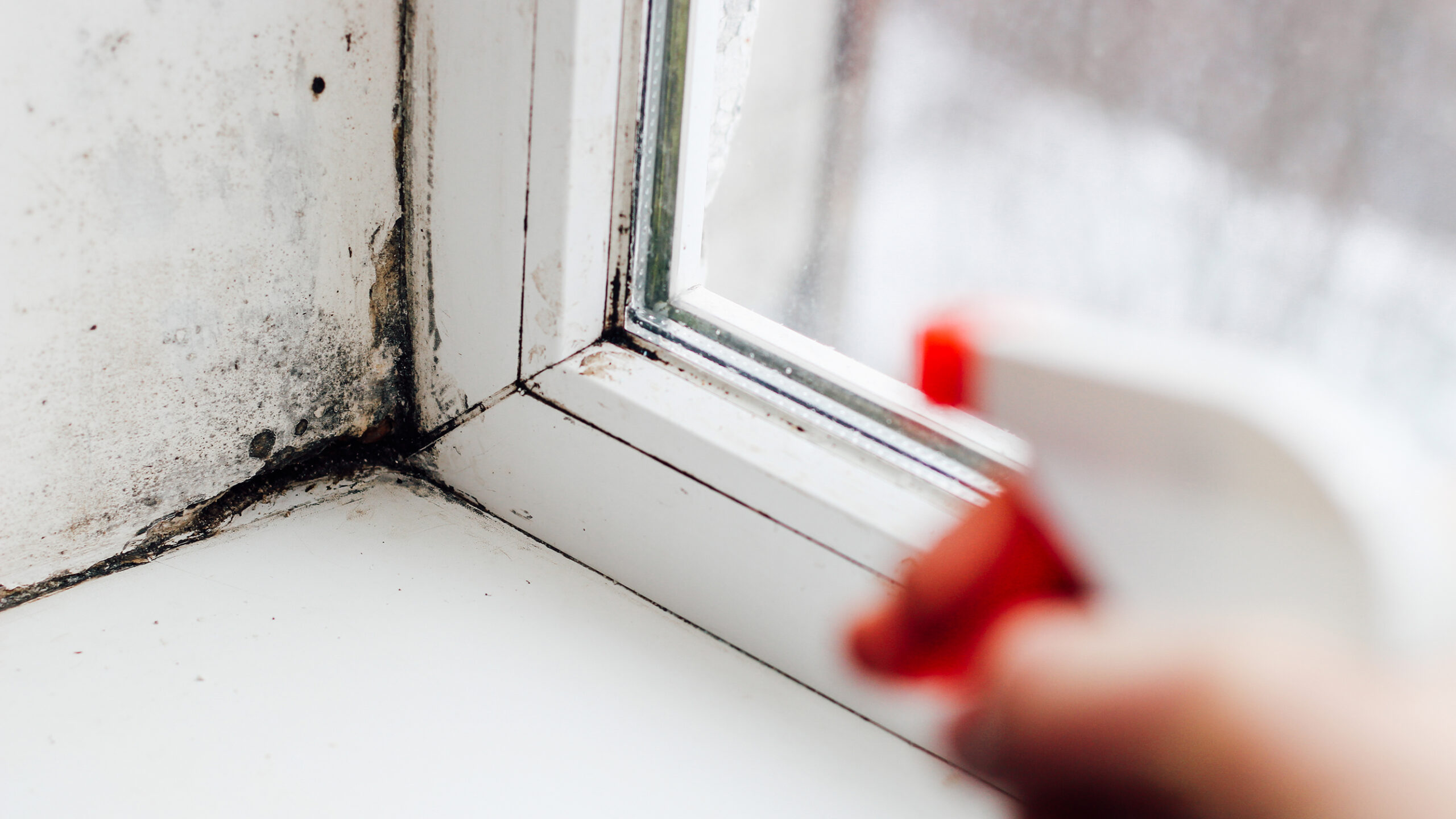
    Not all mold is visible or easy to spot. It often grows in damp, low-traffic areas like behind furniture, under sinks, near windows, or in basements. Even small amounts of hidden mold can release spores into the air, which may lead to coughing, sneezing, or skin irritation. For people with asthma, allergies, or weakened immune systems, regular exposure can make symptoms worse over time.

    How to reduce the hazard

    Check areas where moisture tends to collect, especially around plumbing, windows, and in closets or storage spaces. If you find any signs of mold, clean the area using a simple solution of one part white vinegar to one part water. Let it sit for at least an hour before scrubbing and drying the surface completely. In areas that stay damp, run a dehumidifier regularly to keep humidity below 50 percent. This helps prevent mold from returning and makes the space less hospitable to future growth.

    7. Poor Bathroom Ventilation

    Bathrooms are one of the most common places for moisture to collect. Without proper ventilation, steam from showers and baths can linger in the air, leading to damp walls, ceiling spots, and mildew buildup. Over time, this extra moisture can damage surfaces and increase the risk of mold growth, which may irritate the lungs or trigger allergies.

    How to reduce the hazard

    How to reduce the risk: Always use the exhaust fan while showering and leave it running for at least 20 minutes afterward to help clear out humidity. Clean the fan cover regularly to keep it working well. If your bathroom does not have a fan, try opening a window or keeping the door open to improve airflow and reduce moisture buildup.

    8. Tipping Furniture

    Furniture anchors may not look like much, but they play an important role in keeping your home safer. Tall or heavy items like dressers, bookshelves, and televisions can tip over if pulled, climbed on, or bumped, especially in homes with young children or pets. Injuries from furniture tip-overs can be serious, but they are also preventable.

    How to reduce the hazard

    How to reduce the risk: A simple set of adjustable wall anchors can help secure top-heavy furniture without drawing attention or taking up space. Use them to anchor dressers, shelves, and other heavy items to the wall. Focus on areas like bedrooms, play spaces, or anywhere kids and pets spend time. For added stability, place heavier items in lower drawers or on lower shelves.

    9. Old or Overloaded Power Strips

    Power strips are convenient, but they are not designed to handle everything. Overloading them with too many devices or connecting multiple strips together can overheat the wiring and increase the risk of electrical fires. Strips that are old, damaged, or used in damp areas like kitchens or bathrooms can also be dangerous, even if they seem to work fine.

    How to reduce the hazard

    Use power strips only for low to moderate energy devices and avoid plugging one strip into another. Replace any strip that shows signs of wear, feels warm to the touch, or lacks a surge protector. If you need more outlets in one area, it may be safer to install additional wall outlets or use a surge protector installed by a licensed electrician. Many homeowners turn to professionals like PRK Williams Building Group for help with electrical upgrades that improve safety and function over time.

    10. Scented Laundry Products

    That freshly washed scent might seem harmless, but many scented laundry detergents, fabric softeners, and dryer sheets contain synthetic fragrances and chemical additives that can irritate the skin, eyes, and lungs. These ingredients can also linger in your home’s air and on your clothing, which may be a concern for people with allergies, asthma, or sensitive skin.

    How to reduce the hazard

    Switch to a laundry detergent made without synthetic fragrances or harsh chemicals. Products labeled fragrance-free or formulated for sensitive skin are less likely to irritate the skin or affect air quality in your home. If you prefer a light scent, look for a detergent that uses essential oils or plant-based ingredients rather than artificial perfumes.

    Looking Closer at Home Hazards

    Many home hazards are not dramatic or urgent. They build up slowly, often going unnoticed until they begin to affect how you sleep, breathe, or move through your day. The good news is that most of these risks are easier to manage than they might seem.

    Taking a closer look at what is happening in your home, from air quality to how furniture is arranged, can make a meaningful difference in your daily health and comfort. You do not have to tackle everything at once. Even one change is a good place to begin.

    Want more practical ways to support your space and your health? Visit our Safety section for ideas, product spotlights, and simple ways to make your living space work better for you. You can also sign up for our newsletter to get curated content delivered straight to your inbox, and follow us on Facebook and Instagram for more everyday home health insights.


    This post may contain affiliate links. If you click a link and make a purchase, Healthy Living – Today may earn a small commission at no additional cost to you. We only feature products, programs, or services we’ve researched and believe may support a healthy lifestyle. Prices are subject to change and may vary from what’s listed. This content is for informational purposes only and is not intended as medical advice. Individual results may vary, and we do not guarantee any specific outcome.

  • 5 Signs You Might Be Experiencing Digital Burnout

    5 Signs You Might Be Experiencing Digital Burnout

    digital burnout

    Digital Burnout

    Have you ever felt drained after a day spent glued to your screens, juggling emails, social media, and endless notifications? You’re not alone. As our lives become more connected to technology, many people are feeling the effects of digital burnout. This kind of tiredness, both in your body and your mind, can sneak up on you and be hard to shake. Learning how to spot the signs can make it easier to take a step back and feel more like yourself again.

    1. You Feel Anxious When You’re Not Online

    If you start to feel uneasy when you’re away from your phone, that’s something to pay attention to. Many people feel the need to check messages, scroll through updates, or see what others are doing. At first, it might feel like a small habit, but over time, it can turn into something that’s harder to control.

    This kind of checking behavior has been linked to emotional stress, especially when it’s driven by the fear of missing out. People who fall into these patterns often have a harder time relaxing when they’re offline

    If being disconnected leaves you feeling tense or restless, your mind might be telling you it’s time to step back.

    2. You’re More Irritable Than Usual

    When your phone keeps buzzing, your inbox is full, and every app wants your attention, it’s no surprise that your patience can run thin. This kind of constant input can leave you feeling overstimulated. Even small things like a delayed response or a slow-loading screen can start to feel like a big deal.

    More screen time has been linked to mood swings and higher emotional sensitivity, especially when it replaces rest, real-world connection, or time to decompress.

    If you find yourself getting frustrated more easily or feeling emotionally drained, your screen time could be part of the reason.

    3. Your Sleep Isn’t What It Used to Be

    If you’re tossing and turning at night or waking up feeling like you barely slept, your screen habits might be part of the problem. Using phones, tablets, or laptops in the evening can confuse your body’s natural sleep rhythm. Screens give off blue light, which can trick your brain into staying alert instead of winding down.

    This kind of light has been shown to block melatonin, the hormone that helps you get sleepy at night. When your body doesn’t get the signal that it’s time for rest, it becomes harder to fall asleep and stay asleep. Over time, this can make you feel groggy during the day and restless when you are trying to relax.

    If falling asleep used to be easy but now feels like a struggle, it might be time to look at how much screen time you are getting before bed.

    4. You Feel Tired All the Time, Even After Rest

    It’s normal to feel tired after a long day, but if you’re getting enough sleep and still feel foggy or worn out, it could be more than just being busy. Staring at screens for hours without a break can wear down your focus and make your mind feel heavy. The constant switching between apps, messages, and tabs puts extra strain on your thinking, even if your body isn’t doing much.

    Too much screen time has been connected to lower cognitive performance, especially in areas like attention and memory, which may explain that foggy, mentally drained feeling that’s hard to shake.

    5. You’re Losing Interest in Things You Used to Enjoy

    When screens take up most of your free time, it can become easy to pull away from the parts of life that feel more grounding. Maybe you’ve been putting off a favorite hobby or spending less time with people you care about. What used to be fun might now feel like too much effort, especially when scrolling or watching videos is always within reach.

    The more time we spend in front of screens, the less time we tend to spend doing things that bring balance, movement, or creativity. Young people who are more engaged in activities like sports, music, volunteering, or clubs often spend less time online during the week and report feeling more satisfied overall. This doesn’t mean you need to drop your devices entirely, but when screen time begins to take the place of real-world experiences, it can chip away at motivation and leave you feeling disconnected.

    If the things that used to lift your mood now feel dull or hard to get back into, your screen habits might be getting in the way more than you think.

    What You Can Do

    Burnout can show up quietly, but that doesn’t mean you have to power through it. These simple and meaningful steps can help ease the pressure and bring more balance into your day:

    • Shift how you wind down: The time between work and rest matters. Try switching off overhead lights in the evening and using a soft, full-spectrum bulb designed to support relaxation. This small change can help your body and mind settle more easily at the end of the day.
    • Set up your space for time away from screens: Choose one area in your home where screens stay out of reach, even if just for a little while. Add a soft throw or a weighted blanket to make it a place that feels calm and inviting. When your body starts to associate that space with rest, it becomes easier to unplug.
    • Choose active rest over passive scrolling: Not all downtime is the same. Instead of reaching for your phone, try something simple that helps your mind reset. Take a walk without headphones, water your plants, stretch for five minutes, or sit quietly with your thoughts. These small breaks can help clear mental clutter in ways that screens often can’t.
    • Use paper tools to ease digital overload: If your calendar, to-do list, and reminders all live on your phone, it might help to move just one of them offline. A paper planner can give you structure without the distractions that come with every notification or app.

    These ideas aren’t about doing more. They’re about giving yourself space to feel rested, focused, and a little more like yourself.

    Taking Care of Yourself Starts Here

    It is easy to assume that feeling scattered, tired, or disconnected is just part of modern life. But those feelings might be telling you something important. Your attention, energy, and well-being have limits worth protecting.

    Digital burnout does not mean you are falling behind. It means your body and mind are asking for something different. Slowing down, stepping away, or choosing not to respond right away is not a sign of weakness. It is a form of care.

    You do not need a perfect plan to begin. You just need a quiet moment of honesty with yourself and the willingness to create even a little more space for rest, focus, and connection. That is not a step back. That is a reset.

    Looking for more ways to support your mental well-being? Visit our Mental Health & Well-Being section for practical insights, curated product spotlights, and resources to help you stay balanced in a digital world. Sign up for our newsletter to receive handpicked content directly in your inbox, and follow us on Facebook and Instagram for more updates on mental health and daily balance.


    This post may contain affiliate links. If you click a link and make a purchase, Healthy Living – Today may earn a small commission at no additional cost to you. We only feature products, programs, or services we’ve researched and believe may support a healthy lifestyle. Prices are subject to change and may vary from what’s listed. This content is for informational purposes only and is not intended as medical advice. Individual results may vary, and we do not guarantee any specific outcome.
  • Six Science-Backed Habits for Stress Relief and a Healthier Life

    Six Science-Backed Habits for Stress Relief and a Healthier Life

    A person relaxing on a bench in a quiet park, enjoying a peaceful moment away from the morning rush.

    Stress is more common than ever, affecting both mental and physical health. Research shows that anxiety disorders have increased globally, with rates rising from 3.7 percent in 1990 to 4.4 percent in 2021. Long-term stress has been linked to high blood pressure, weakened immunity, and a higher risk of anxiety and depression. The good news is that relaxation is not just a temporary escape. The following six science-backed habits for stress relief and a healthier life can help control your physical responses.

    When the body experiences stress, it releases cortisol, a hormone that helps in short bursts but can be harmful when levels stay high. Studies show that relaxation techniques can lower cortisol, improve mood, and reduce the risk of stress-related illness. Even spending 20 minutes in nature has been found to lower stress hormone levels and improve mental well-being.

    Despite these benefits, many people struggle to relax. Whether it is a busy schedule, constant distractions, or feeling guilty about taking time for self-care, barriers to relaxation are common. The key is to start small and build habits that fit into daily life.

    The following six relaxation techniques are backed by science and can help reduce stress while improving overall health.

    1. Meditation: A Science-Backed Way to Relax the Mind

    Meditation is a helpful method for calming your mind and reducing stress. Practicing meditation regularly can lower stress hormones, improve focus, and enhance emotional well-being. For example, studies have shown that mindfulness meditation can reduce cortisol levels, the hormone associated with stress.

    How Meditation Helps You Relax

    Meditation encourages your brain to shift from a state of stress to a state of calm. Spending just 10 to 15 minutes a day meditating can help you feel more balanced and less overwhelmed. Benefits include:​

    • Lower stress hormone levels and reduced inflammation
    • Improved focus and emotional regulation
    • Better sleep quality and overall mental well-being

    Types of Meditation to Try

    Different styles of meditation work for different people. Here are a few you might consider:

    • Mindfulness Meditation: Focus on your breathing and stay present in the moment.
    • Guided Meditation: Use apps like Calm and Headspace to follow along with structured sessions.​
    • Mantra Meditation: Repeat a calming word or phrase to help maintain focus.

    How to Get Started

    • Find a quiet place where you won’t be interrupted.​
    • Begin with just 5 minutes and gradually increase the time as you become more comfortable.​
    • If your mind wanders, gently bring your attention back to your breath.​

    Incorporating meditation into your daily routine can help your body manage stress more effectively and support overall well-being.

    2. Yoga: Relaxing the Body to Calm the Mind

    Yoga combines gentle movements, controlled breathing, and mindfulness to help reduce stress and promote relaxation. Regular practice can improve flexibility, strength, and mental focus, while also reducing stress on both the brain and body. Researchers have found that yoga can lower cortisol levels, support emotional regulation, and enhance overall well-being, making it a valuable tool for stress management.

    How Yoga Helps You Relax 

    Engaging in yoga encourages deep breathing and mindful movement, which can shift the body from a state of stress to one of calm. Many individuals find that even brief yoga sessions help them feel more balanced and less tense. Some key benefits include:

    • Loosening tight muscles that hold tension
    • Encouraging deeper breathing, which can promote relaxation
    • Helping the body and mind feel more centered

    Types of Yoga to Try

    Various styles of yoga cater to different needs:

    • Hatha Yoga – Focuses on gentle stretching and breathing exercises.
    • Restorative Yoga – Uses props to support deep relaxation.
    • Vinyasa Yoga – Involves flowing movements linked with breath for a more active session.

    How to Get Started

    • Find a quiet space where you can move comfortably.
    • Begin with basic stretches or follow an online class.
    • Focus on deep breathing as you move through each pose.

    Incorporating yoga into your routine can help release built-up stress, making it easier to relax even during busy days.

    3. Breathing Exercises: A Simple Way to Calm the Body and Mind

    Breathing is something we do without thinking, but certain breathing techniques can help lower stress and bring a sense of calm. Slow, controlled breathing can signal the nervous system to relax, making it easier to feel at ease. Many people use breathing exercises to help with anxiety, focus, and overall well-being.

    How Breathing Exercises Help You Relax

    Deep breathing can slow the heart rate, lower blood pressure, and reduce feelings of tension. Many find that even a few minutes of focused breathing can help them feel calmer. Benefits include:​

    • Helping the body shift out of a stress response​
    • Improving oxygen flow, which supports relaxation​
    • Enhancing focus and emotional balance

    Breathing Techniques to Try

    • 4-7-8 Breathing: Inhale for four seconds, hold for seven seconds, and exhale for eight seconds to create a natural relaxation response.​
    • Diaphragmatic Breathing: Breathe deeply into the belly rather than the chest to promote a sense of calm.​
    • Box Breathing: Inhale, hold, exhale, and hold again for four seconds each, creating a steady rhythm that can ease stress.

    How to Get Started

    • Find a quiet place where you can sit or lie down comfortably.​
    • Try just five minutes of deep breathing to start.​
    • Focus on slow, steady breaths and adjust as needed.​

    Adding breathing exercises to your routine can be a simple but powerful way to manage stress and support overall well-being.​

    4. Lifestyle Choices That Support Relaxation

    What you eat and how active you are can have a big impact on stress levels. Certain foods help regulate mood, while regular movement reduces tension and improves well-being. Making small adjustments to daily habits can make relaxation easier.

    How Nutrition and Exercise Help You Relax

    What you put into your body affects how you feel. Some nutrients support brain function and emotional balance, while others contribute to energy crashes and irritability. Regular physical activity lowers stress hormones and boosts endorphins, enhancing mood and overall well-being.

    Nutrients That Support Relaxation

    • Complex Carbohydrates: Whole grains like oatmeal and quinoa can increase serotonin levels, promoting calmness.
    • Magnesium: Found in nuts, seeds, and dark leafy greens, this mineral helps regulate stress responses.
    • Omega-3s: Fatty fish, flaxseeds, and walnuts contain nutrients that support brain health.
    • Herbal Teas: Chamomile and green tea contain compounds that promote relaxation.

    Ways to Add Movement to Your Day

    • Go for a short walk to ease tension and clear your mind.
    • Try stretching or yoga to release tight muscles.
    • Do light strength training to help manage stress over time.

    How to Get Started

    • Include more whole foods like fruits, vegetables, and healthy fats in your meals.
    • Set a goal to move for at least 20 to 30 minutes most days.
    • Listen to your body and find activities that feel good.

    Small changes in diet and movement can help the body manage stress more effectively, making relaxation easier in daily life.

    5. Sleep: The Foundation of Relaxation

    Quality sleep plays a key role in regulating stress hormones, supporting brain function, and improving emotional balance. Poor sleep can make it harder to handle daily challenges, while consistent rest helps the body and mind recover.

    How Sleep Supports Relaxation

    Getting enough rest allows the body to reset and repair. When sleep is disrupted, it can lead to higher stress levels and difficulty focusing. Some key benefits of good sleep include:

    • Lower stress and improved emotional regulation
    • Better concentration and cognitive function
    • A stronger immune system and better overall health

    Simple Ways to Improve Sleep

    • Stick to a routine: Going to bed and waking up at the same time each day helps regulate sleep patterns.
    • Limit screen time before bed: Blue light from phones and computers can make it harder to fall asleep.
    • Create a calming environment: A cool, dark, and quiet bedroom supports better sleep.

    How to Get Started

    • Aim for seven to nine hours of sleep each night.
    • Reduce caffeine and heavy meals in the evening.
    • Try relaxation techniques like deep breathing or meditation before bed.

    Making sleep a priority can help the body handle stress more effectively and improve overall well-being.

    6. Time in Nature: A Simple Way to Reduce Stress

    Spending time outside is a simple way to relax. Fresh air, natural light, and green spaces help lower stress, improve mood, and promote mental clarity. Even as little as 10 minutes outdoors can help the body shift from stress to a state of calm by providing a break from digital distractions and allowing the mind to reset.

    Simple Ways to Spend More Time in Nature

    • Take a short walk in a park or green space.
    • Sit outside for a few minutes in the morning or during breaks.
    • Try gardening or caring for plants at home.

    How to Get Started

    • Look for local parks or trails to visit.
    • Start with just 10 to 20 minutes outside each day.
    • Choose activities you enjoy, whether it’s walking, stretching, or simply sitting in fresh air.

    Even small amounts of time in nature can help the body relax and improve overall well-being.

    When to Seek Professional Help

    While relaxation habits can support overall well-being, they may not be enough for everyone. If stress feels overwhelming, affects daily life, or leads to persistent anxiety, sleep issues, or mood changes, it may be time to seek help from a mental health professional. Signs that professional support may be beneficial include:

    • Feeling constantly anxious, irritable, or emotionally drained
    • Trouble sleeping, eating, or concentrating due to stress
    • Avoiding responsibilities or withdrawing from activities and relationships

    Therapists, counselors, and healthcare providers can offer personalized strategies and support to help manage stress in a way that works best for you. Seeking help is a sign of strength and an important step toward long-term well-being.

    Final Thoughts: Make Relaxation a Daily Habit

    Stress is a part of life, but learning how to relax can make it easier to manage. Small daily habits like meditation, yoga, deep breathing, healthy lifestyle choices, quality sleep, and time in nature help the body and mind recover. The key is to start simple and build a routine that works for you.

    Making relaxation a priority is not just about feeling better in the moment. It supports long term mental and physical well being, helping you stay balanced and resilient through life’s challenges.

    Looking for more ways to support your health? Explore our Mental Health & Well-Being section for more insights, subscribe to our newsletter for handpicked content, and stay connected with us on Facebook and Instagram.


    This post may contain affiliate links. If you click a link and make a purchase, Healthy Living – Today may earn a small commission at no additional cost to you. We only feature products, programs, or services we’ve researched and believe may support a healthy lifestyle. Prices are subject to change and may vary from what’s listed. This content is for informational purposes only and is not intended as medical advice. Individual results may vary, and we do not guarantee any specific outcome.
  • Healthy Aging After 50

    Healthy Aging After 50

    Senior couple in sports clothing practicing yoga at home with their dog nearby, smiling and enjoying an active lifestyle.

    Healthy Aging Strategies for Lifelong Vitality and Energy

    Aging is often thought of as a time when life slows down, but it doesn’t have to be that way. It can actually be a great time to learn new things, discover what matters most to you, and enjoy life in new ways. As you move into your fifties and beyond, you might start thinking more about staying healthy, keeping your energy up, and continuing the activities you love.

    While some things naturally change over time, the good news is you have a lot of say in how you age. Small, everyday choices about how you move, what you eat, and how you spend your time can make a big difference in your health and happiness. Healthy aging after 50 means finding easy and enjoyable ways to stay strong, sharp, and connected to the people around you. The years ahead can be some of the most rewarding yet, and simple changes now can help you get there.

    Physical Strength: A Key to Healthy Aging After 50

    Staying strong plays a big role in staying independent and active as you age. Strength training helps with mobility, balance, and bone health, all of which are key to healthy aging after 50. In fact, it’s one of the best things you can do to stay healthy, active, and independent. When you add strength training into your weekly routine, you’re doing more than just lifting weights, you are:

    • Protecting your muscles
    • Helping your body burn calories more efficiently
    • Keeping your bones strong, lowering your chance of osteoporosis

    If you’re new to strength training, don’t worry. It doesn’t have to be difficult or complicated. Here are some simple ways to get started:

    • Begin with light weights or resistance bands.
    • Focus on exercises that work major muscle groups.
    • Aim for two or three sessions each week.
    • Pay attention to how your body feels, and gradually increase difficulty when you’re ready.

    Remember, you don’t need heavy weights or intense workouts to make progress. Doing something regularly matters more than how hard it feels.

    If traditional strength exercises don’t sound appealing, that’s okay. Plenty of low-impact activities like yoga, swimming, or walking can still keep you strong, healthy, and feeling great.

    Your Mind: Mental Fitness for Healthy Aging After 50

    Taking care of your brain is just as important as keeping your body strong. Your mind stays healthy and sharp when you regularly challenge it and learn new things.

    Simple activities can help your mind stay clear and focused

    • Doing puzzles or brain games
    • Learning a new language
    • Playing a musical instrument
    • Reading interesting books
    • Spending time talking with friends and family

    Another way you might support your mind is through mindfulness. Mindfulness means paying attention to the present moment. One popular way to practice mindfulness is meditation. While more research is still needed, some studies suggest mindfulness may help:

    • Lower stress and anxiety
    • Improve your focus
    • Support your emotional health
    • Make it easier to manage daily challenges

    Even setting aside just 10 to 15 minutes each day could help you feel calmer, clearer, and more connected.

    Nutrition: Fueling Your Body for Longevity

    What you eat plays a big role in how you age. As you get older, your body needs the right nutrients to keep your muscles strong, support brain function, and protect against common health issues. One of the most important changes you can make is getting enough protein. Protein helps maintain muscle mass, which naturally declines with age. Eating more anti-inflammatory foods may also help lower the risk of chronic diseases and support overall well-being.

    Simple ways to fuel your body for healthy aging after 50

    • Prioritizing protein: Lean meats, eggs, beans, and nuts can help preserve muscle strength.
    • Eating anti-inflammatory foods: Leafy greens, berries, fatty fish, and whole grains can support heart and brain health.
    • Staying hydrated: Your body’s ability to retain water changes with age, so drinking enough fluids is essential.
    • Considering key supplements: Vitamin D and B12 are common deficiencies and may be worth discussing with a healthcare provider.

    Small shifts in your daily diet can have a lasting impact. Focusing on nutrient-dense foods and staying mindful of what your body needs can help you feel stronger, more energized, and better equipped to enjoy life at every stage.

    Health Management:  Be Proactive

    Being proactive about your health helps you feel your best and stay ahead of potential issues. Regular checkups and screenings are simple but important steps in healthy aging after 50. Instead of waiting for something to go wrong, paying attention to key health indicators like blood pressure and cholesterol can help you stay ahead of common concerns.

    Ways to stay proactive

    • Scheduling routine checkups
    • Keeping up with recommended screenings for heart disease, diabetes, and cancer
    • Noticing changes in energy levels, sleep, or overall well-being
    • Managing chronic conditions with your doctor’s guidance

    Your health is always changing, but small, consistent efforts can help you feel your best. Staying informed and working with your doctor gives you the tools to take charge of your well-being.

    Social Connections: The Overlooked Wellness Factor

    Staying connected is just as important for your health as eating well and staying active. Strong relationships can boost your mood, reduce stress, and even support brain health. Whether it is through family, friends, or your community, social engagement plays a key role in overall well-being.

    Ways to stay connected

    • Joining community groups or clubs
    • Volunteering for a cause that matters to you
    • Taking classes to learn something new while meeting others
    • Keeping in touch with family and friends through regular visits or calls
    • Exploring part-time work or mentoring opportunities that give you a sense of purpose

    Building and maintaining relationships takes effort, but the benefits last a lifetime. Finding ways to stay engaged can keep you feeling fulfilled, supported, and connected.

    Your Wellness Journey: A Personal Path

    Healthy aging after 50 is not about doing everything perfectly. It is about making choices that support your well-being in a way that feels right for you. Small, consistent steps like taking a 10 minute walk, trying a new recipe, or learning something new can make a real difference. Staying active, keeping your mind engaged, and maintaining strong connections all contribute to a fulfilling and healthy life.

    Looking for more ways to support your health? Explore our Healthy Aging section for insights on staying strong and energized. Get handpicked content sent straight to you when you subscribe to our newsletter and stay connected with us on Facebook and Instagram for more tips and inspiration.


    This post may contain affiliate links. If you click a link and make a purchase, Healthy Living – Today may earn a small commission at no additional cost to you. We only feature products, programs, or services we’ve researched and believe may support a healthy lifestyle. Prices are subject to change and may vary from what’s listed. This content is for informational purposes only and is not intended as medical advice. Individual results may vary, and we do not guarantee any specific outcome.
  • How to Live with a Chronic Condition

    How to Live with a Chronic Condition

    A close-up of a hand holding medical pills and a glass of water, representing daily medication management as part of chronic condition care.

    Living with Chronic Conditions: Thriving Every Day

    Living with a chronic condition doesn’t have to define your life. Millions of people manage conditions like diabetes, arthritis, heart disease, and autoimmune disorders every day. While these challenges require ongoing care, they don’t have to stand in the way of a fulfilling and active lifestyle.

    Thriving every day with a chronic condition starts with small, intentional choices. Adjusting your diet, finding movement that works for your body, and prioritizing mental well-being can all support long-term health. This guide offers practical strategies to help you navigate daily life with confidence, from managing symptoms to creating a supportive environment that enhances overall well-being.

    Understanding Chronic Conditions

    A chronic condition is a long-term health challenge that requires continuous care, but it doesn’t have to limit your potential. Knowing what to expect and how to manage symptoms can make a big difference.

    • Diabetes: Affects blood sugar regulation and, if unmanaged, can lead to complications like nerve damage and vision issues.
    • Hypertension (High Blood Pressure): Increases the risk of heart disease and stroke but can often be controlled through lifestyle adjustments and, when needed, medication.
    • Arthritis: Causes joint pain and stiffness, making movement more difficult. Managing inflammation and staying active can help maintain mobility.
    • Autoimmune Diseases: Conditions like lupus and multiple sclerosis occur when the immune system mistakenly attacks healthy tissues. Each condition requires personalized care to manage symptoms effectively.
    • Chronic Respiratory Diseases: Includes asthma and COPD, which affect lung function. With the right treatment and lifestyle adjustments, many people continue to lead active lives.

    The Physical and Emotional Impact

    Living with a chronic condition goes beyond managing physical symptoms. Pain, fatigue, and mobility challenges can make daily activities harder, sometimes leading to frustration, stress, or a sense of isolation. It is completely natural to feel overwhelmed at times, especially when routines change or limitations arise.

    Your emotional well-being is just as important as your physical health. Finding ways to ease stress, build a strong support system, and prioritize self-care can make a real difference. Whether it is through mindfulness, gentle movement, or meaningful connections with others, small steps can help you feel more in control and supported on this journey.

    Everyday Strategies for a Healthier Life

    Eating for Better Health with a Chronic Condition

    What you eat plays a powerful role in managing symptoms and maintaining steady energy levels. Following an anti-inflammatory diet can help reduce pain, support immune function, and prevent blood sugar fluctuations. Small, mindful choices add up over time.

    • Choose anti-inflammatory foods: Omega-3-rich salmon, walnuts, and flaxseeds can help reduce inflammation.
    • Maintain steady energy levels: Whole grains, fiber-rich foods, and lean proteins support blood sugar balance.
    • Incorporate colorful fruits and vegetables: Helps strengthen immune function and overall well-being.
    • Stay hydrated: Drinking water and herbal teas supports digestion and circulation.

    Healthy eating does not have to be complicated. Simple swaps and thoughtful choices can positively impact how you feel throughout the day.

    Staying Active, No Matter Your Condition

    Exercise is one of the best ways to manage pain, improve mobility, and boost overall well-being. Even gentle movement can make a difference. Low-impact activities like yoga, walking, or swimming can help you stay active without straining your body.

    • Practice gentle exercises: Yoga or tai chi can improve balance, flexibility, and relaxation.
    • Try low-impact activities: Walking or swimming strengthens muscles and supports heart health without putting stress on joints.
    • Incorporate strength training: Light resistance exercises help maintain muscle and bone health, reducing the risk of falls.

    If structured workouts feel overwhelming, small changes, like stretching in the morning or taking short walks, can help build consistency.

    Managing Medications and Treatments for Chronic Conditions

    Keeping track of medications and treatments can feel overwhelming, but small habits can help you stay on top of your health routine.

    • Use reminders: Alarms, apps, or a pill organizer can help ensure consistency.
    • Track symptoms and progress: Keeping a journal allows you to monitor how treatments affect your condition.
    • Talk with your doctor: Open conversations about side effects or concerns can help determine if adjustments are needed.

    Consistency is key, but flexibility matters too. If something is not working, adjustments can often be made to better suit your needs.

    Managing Mental and Emotional Well-Being

    Coping with Stress and Anxiety

    Chronic conditions can bring emotional challenges, but learning stress management techniques can help you navigate the ups and downs with more ease. Finding ways to reduce tension and improve your mindset is just as important as managing physical symptoms.

    • Practice mindfulness techniques: Deep breathing, meditation, or guided relaxation can lower stress.
    • Consider therapy options: Cognitive Behavioral Therapy (CBT) can help reframe negative thought patterns.
    • Engage in creative outlets: Journaling, painting, or gardening provides a mental break and refocuses energy.

    Mental well-being is deeply connected to physical health. Making space for self-care can improve how you feel overall.

    Building a Support Network

    Managing a chronic condition is easier when you have people to lean on. Support groups can provide encouragement, shared experiences, and helpful advice, making it easier to navigate daily challenges.

    • Join a support group: Connecting with others who understand your experience can provide emotional relief.
    • Keep open communication: Talking with friends and family helps them understand how to support you.
    • Seek professional counseling: A therapist can help with emotional challenges and coping strategies.

    You do not have to go through this alone. Finding the right support can bring relief and reassurance.

    Creating a Comfortable and Supportive Home

    Creating a comfortable and supportive home environment is essential for managing chronic conditions. Small adjustments can significantly enhance your daily comfort and well-being.

    Simple Home Adjustments for a Better Quality of Life

    Your living space greatly influences how you feel. Implementing thoughtful changes can reduce stress and improve overall comfort.

    • Use ergonomic furniture: Investing in a supportive chair and a high-quality mattress can improve posture, reduce joint strain, and enhance overall comfort for better daily movement.
    • Simplify medication management: A pill organizer with a built-in alarm provides timed reminders to help you stay on schedule and avoid missed doses.
    • Improve air quality: Reducing allergens and airborne pollutants can help create a cleaner, healthier indoor environment. A compact air purifier can be a great addition to your space.

    A well-designed space can make daily activities more manageable and enjoyable.

    Reducing Triggers That Worsen Symptoms

    Environmental factors often contribute to symptom flare-ups. Minimizing exposure to these triggers can help alleviate discomfort.

    • Keep dust and allergens at bay: Regular cleaning and using air purifiers can significantly improve indoor air quality.
    • Switch to natural cleaning products: Reducing the use of harsh chemicals can prevent irritation and sensitivities.
    • Create a calming environment: Incorporating soft lighting, soothing music, or indoor plants can promote relaxation and reduce stress.

    Implementing these changes fosters a home that supports both your physical and emotional health.

    When to Reach Out for Medical Help

    Managing a chronic condition means staying aware of changes in your health. While many symptoms can be managed at home, some require medical attention to prevent complications and ensure your treatment is working effectively.

    • New or worsening symptoms: Increased pain, swelling, fatigue, or difficulty breathing could signal a change in your condition that needs evaluation.
    • Side effects from medications: If dizziness, nausea, or other side effects interfere with daily life, talk to your doctor about adjusting your treatment.
    • Frequent infections or slow healing: If you notice wounds taking longer to heal or recurring illnesses, it may be a sign of an underlying issue.
    • Changes in mental health: If feelings of anxiety or depression become overwhelming or affect daily life, professional support can help.
    • Difficulty with daily activities: If routine tasks become more challenging, a healthcare provider may recommend physical or occupational therapy.

    If you experience sudden or severe symptoms such as chest pain, confusion, or loss of consciousness, seek emergency medical care immediately. Being proactive about your health ensures small concerns do not turn into major issues.

    Small Changes, Big Impact

    Living with a chronic condition requires ongoing adjustments, but those changes do not have to feel overwhelming. Small, intentional shifts in daily habits can have a lasting impact. Improving nutrition, incorporating movement, managing stress, or adjusting your home environment are all steps that support long-term well-being.

    Start with one small action today. A few minutes of stretching, a nourishing meal, or a meaningful conversation with a friend can contribute to positive changes over time.

    Learn more about managing chronic conditions by exploring our latest insights on Healthy Living – Today. Sign up for our newsletter to receive curated content directly in your inbox, and follow us on Facebook and Instagram for more health and wellness updates.


    This post may contain affiliate links. If you click a link and make a purchase, Healthy Living – Today may earn a small commission at no additional cost to you. We only feature products, programs, or services we’ve researched and believe may support a healthy lifestyle. Prices are subject to change and may vary from what’s listed. This content is for informational purposes only and is not intended as medical advice. Individual results may vary, and we do not guarantee any specific outcome.