Author: Healthy Living – Today

  • Home Safety Tips for Families

    Home Safety Tips for Families

    A virtual scenario where the user must identify and address potential fire safety hazards in a residential setting, such as overloaded electrical sockets or blocked fire exits, to raise awareness about fire safety risks.

    Simple Ways to Protect Your Loved Ones

    Your home should be a safe space for your family, but everyday hazards can pose unexpected risks. From preventing fires to securing online privacy, home safety requires a proactive approach. Implementing a few home safety tips for families can help prevent accidents and provide peace of mind.

    This guide covers practical tips, from childproofing and emergency preparedness to cybersecurity and seasonal considerations. Whether you are securing furniture, installing smart home technology, or creating a fire escape plan, these steps will help you protect what matters most.

    Childproofing Your Home: A Proactive Approach to Safety

    Young children are naturally curious, which makes childproofing an essential step in home safety. Everyday household items can pose risks if not properly secured. Taking proactive measures helps prevent common injuries like falls, burns, and accidental poisoning.

    Securing Potentially Dangerous Areas

    Children are drawn to areas that contain sharp objects, chemicals, and other hazards. Start by securing these high-risk areas:

    • Staircases and Entryways: Install sturdy safety gates at the top and bottom of stairs and in doorways leading to unsafe areas.
    • Cabinets and Drawers: Use childproof locks to prevent access to sharp kitchen tools, cleaning products, and medications.
    • Electrical Outlets: Cover unused outlets with safety plugs to protect against electrical shocks.
    • Heavy Furniture and TVs: Secure large items like bookshelves and televisions to the wall to prevent tipping accidents.

    Preventing Accidental Poisoning

    Young children are at a higher risk of accidental poisoning from medications, cleaning products, and personal care items. The Children’s Safety Network reports that medication-related poisoning is the leading cause of poisoning deaths in children. Reduce the risk with these precautions:

    • Store all cleaning supplies and medications in locked cabinets out of children’s reach.
    • Keep toxic substances in their original, labeled containers to avoid confusion.
    • Use child-resistant packaging whenever possible.
    • Display the Poison Control number (1-800-222-1222) in an easy-to-find place.

    Taking these steps ensures that common household dangers are properly managed, making your home a safer space for children.

    Fire Safety Essentials: Preventing Fires and Protecting Your Home

    House fires can spread rapidly, making prevention and preparedness essential. Taking simple precautions can significantly reduce the risk of a fire starting and improve your family’s ability to respond in an emergency.

    Installing and Maintaining Smoke Detectors

    Smoke alarms are one of the most important fire safety tools in a home. According to the National Fire Protection Association (NFPA), working smoke alarms reduce the risk of dying in a fire by half. However, to be effective, they must be installed correctly and maintained regularly.

    Where to Install Smoke Alarms

    • Place smoke alarms in every bedroom, outside each sleeping area, and on every level of the home, including basements.
    • Install alarms on ceilings or high on walls, as smoke rises. Avoid placing them near windows, doors, or ducts where airflow could interfere with detection.
    • For best protection, use interconnected smoke alarms, so when one sounds, they all do.

    How to Maintain Smoke Alarms

    • Test smoke alarms monthly by pressing the test button.
    • Replace smoke alarm batteries once a year, unless using models with a 10-year sealed battery.
    • Replace all smoke alarms every 10 years, as sensors lose effectiveness over time.
    • Keep alarms free of dust and debris, and never paint over them.

    Developing a Fire Escape Plan

    A home fire can become life-threatening in just minutes. Having a clear escape plan ensures that everyone in the family knows what to do in an emergency.

    • Map out two exits from each room in case one is blocked.
    • Establish a designated meeting point outside the home.
    • Practice fire drills at least twice a year, especially with young children.

    Essential Fire Safety Tools

    Beyond smoke alarms and fire escape plans, having the right fire safety tools can make a critical difference in an emergency. Consider adding these essential items to your home:

    Equipping your home with these fire safety tools ensures you are prepared to respond quickly and effectively in an emergency.

    Cybersecurity at Home: Protecting Your Family Online

    With children spending more time online for education and entertainment, protecting their privacy and security is just as important as physical home safety. The Federal Trade Commission (FTC) emphasizes the need for parents to actively guide children in responsible internet use to prevent identity theft, cyberbullying, and exposure to harmful content.

    Keeping Kids Safe Online

    • Use a parental control app to filter content, monitor activity, and set screen time limits.
    • Adjust privacy settings on social media, apps, and gaming platforms to limit data sharing.
    • Teach kids to protect personal details like their full name, location, and school information.
    • Encourage strong passwords and multi-factor authentication for added security.
    • Discuss online scams and cyber risks, including phishing attempts and suspicious links.
    • Set clear screen time rules and establish tech-free times, such as during meals and before bed.
    • Encourage open communication so kids feel comfortable reporting anything concerning.

    Parental controls help, but guidance and conversation are key to building safe digital habits that will protect children as they grow.

    Emergency Preparedness: Be Ready for the Unexpected

    Emergencies can happen at any time, from power outages to natural disasters. A well-prepared home ensures that your family has the resources to stay safe and comfortable during unexpected events.

    Building a Family Emergency Kit

    An emergency kit should contain essential supplies to sustain your family for at least three days. Include:

    • A first aid kit that includes bandages, antiseptics, and pain relievers.
    • A durable, high-lumen flashlight with a rechargeable battery to provide reliable lighting during power outages.
    • Non-perishable food and bottled water to last several days.
    • A battery-powered or hand-crank emergency radio for receiving alerts.
    • An updated emergency contact list with phone numbers for family members, neighbors, and first responders.

    Keeping these supplies organized and easily accessible ensures you are prepared for any situation.

    Seasonal Home Safety: Protecting Your Home Year-Round

    Different seasons bring unique safety challenges. Preparing in advance ensures that your home stays safe no matter the weather.

    Winter Safety Measures

    • Keep walkways and driveways clear of ice and snow to prevent falls.
    • Schedule annual heating system maintenance to reduce fire risks.
    • Insulate exposed pipes to prevent freezing and bursting.
    • Have backup heating options in case of a power outage.

    Summer Safety Considerations

    • Install window screens to prevent accidental falls.
    • Use sunscreen and protective clothing to avoid heat-related issues.
    • Keep outdoor areas clear of hazards like loose cords or standing water.
    • Always supervise children near pools or open water.

    Addressing seasonal safety needs helps prevent accidents and ensures your home remains a secure environment.

    Final Thoughts on Home Safety

    Making home safety a priority does not require major changes all at once. Small, consistent improvements can significantly reduce risks and create a safer environment for your family.

    Start with one area that needs attention, whether it is upgrading your smoke detectors, setting up parental controls, or assembling an emergency kit. These proactive steps will help protect your home and loved ones.

    Looking for more insights on family safety? Visit our Safety section for in-depth resources, product spotlights, and practical guidance. Sign up for our newsletter to receive curated content directly in your inbox, and follow us on Facebook and Instagram for more home safety updates.


    This post may contain affiliate links. If you click a link and make a purchase, Healthy Living – Today may earn a small commission at no additional cost to you. We only feature products, programs, or services we’ve researched and believe may support a healthy lifestyle. Prices are subject to change and may vary from what’s listed. This content is for informational purposes only and is not intended as medical advice. Individual results may vary, and we do not guarantee any specific outcome.
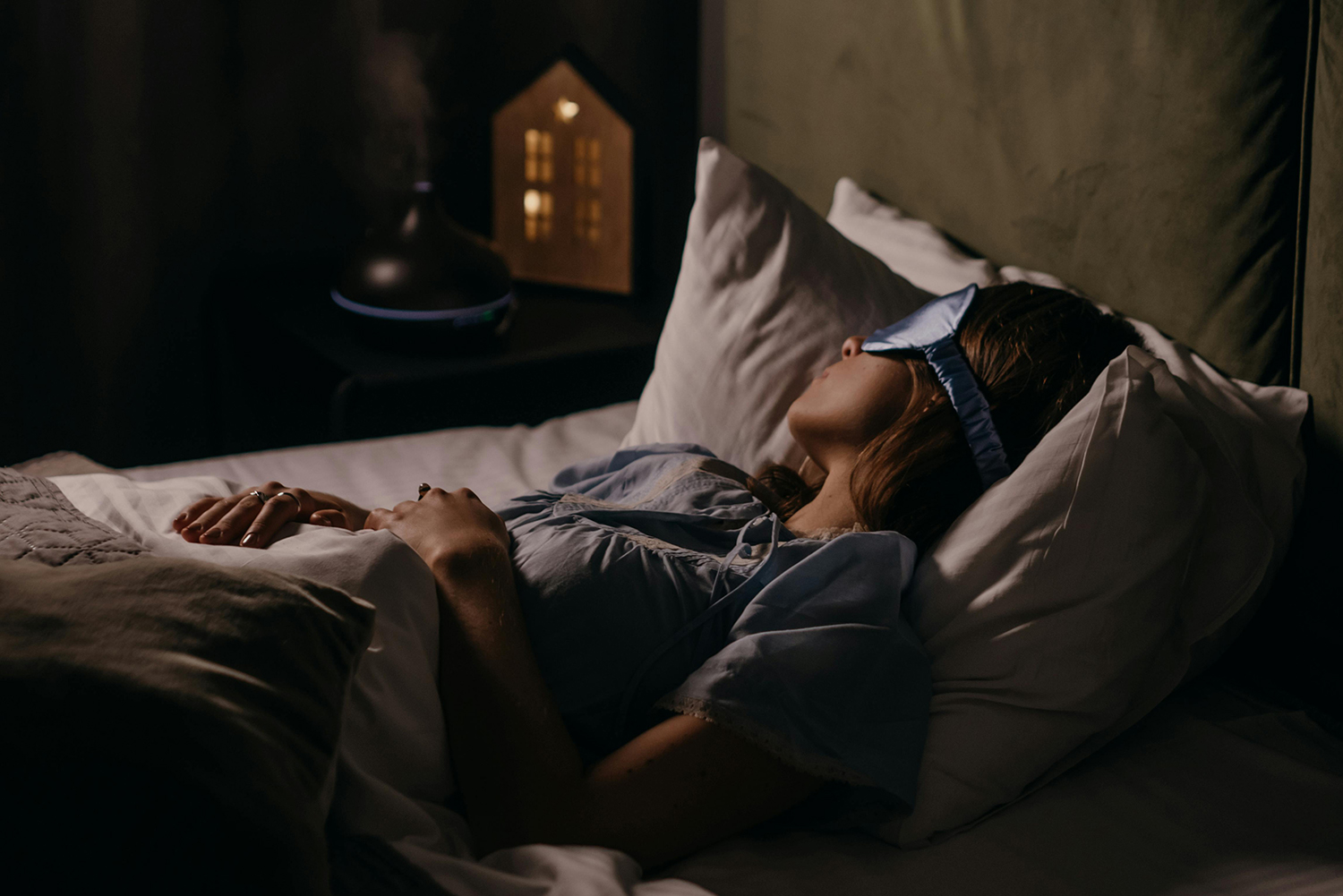
  • Sleep and Weight Loss

    Sleep and Weight Loss

    Sleep and Weight Loss How Poor Sleep Affects Hunger Metabolism and Cravings
    Image by Pexels

    How Sleep Affects Weight Loss: The Hidden Role of Rest in Metabolism

    Sleep is a crucial yet often overlooked factor in maintaining a healthy weight. While diet and exercise receive most of the attention, research shows that sleep plays a critical role in regulating metabolism, affecting how the body processes energy, stores fat, and controls hunger. Poor sleep doesn’t just cause fatigue. It directly impacts appetite, metabolism, and fat storage, making weight loss more difficult.

    The Science of Sleep and Weight Management

    Your body relies on a delicate balance of hormones to regulate hunger, appetite, and metabolism. When sleep is disrupted, so is this balance—leading to an increased likelihood of overeating and weight gain.

    Two key hormones play a central role in this process:

    When these hormones are out of sync, your body constantly signals for more food—even when it doesn’t need extra calories. This disruption is one reason why poor sleep and weight gain are closely linked. Prioritizing sleep can help restore this balance, making it easier to regulate appetite and maintain a steady diet.

    The Metabolic Impact of Quality Sleep

    Beyond hunger hormones, sleep also plays a critical role in metabolic function. When sleep is lacking, the body shifts into energy conservation mode, which can slow metabolism and lead to weight gain. Research shows that insufficient sleep can:

    • Reduce insulin sensitivity: Poor sleep makes it harder for your body to regulate blood sugar, increasing the risk of impaired glucose metabolism and weight gain.
    • Raise cortisol levels: This stress hormone, linked to fat storage, remains elevated when sleep is lacking, signaling the body to store more fat, particularly in the abdominal area.
    • Slow calorie burning: Sleep deprivation lowers your resting metabolic rate, meaning you burn fewer calories at rest.

    How sleep affects weight loss goes beyond just feeling tired. It alters how your body processes energy and stores fat, making long-term weight management more difficult. Consistently getting quality sleep helps maintain metabolic balance, allowing the body to regulate energy efficiently and support overall health.

    How Sleep Affects Food Choices and Cravings

    If you’ve ever craved junk food after a poor night’s sleep, there’s a reason for it. Sleep deprivation weakens appetite regulation, making high-calorie foods more appealing and harder to resist, which can interfere with weight loss.

    • Impaired decision-making: The brain’s prefrontal cortex, responsible for rational choices, becomes less effective with sleep deprivation. Meanwhile, the brain’s reward center becomes more sensitive to processed and sugary foods, increasing cravings.
    • Late-night eating patterns: Poor sleep disrupts hunger signals, leading to increased nighttime snacking and a preference for carb-heavy, high-fat foods. Sleep-deprived individuals tend to consume larger portions and make less nutritious choices.

    Getting enough sleep is one of the most effective ways to support better food choices. When your body is well-rested, hunger signals stay balanced, cravings become easier to manage, and healthier eating habits feel more natural.

    Exercise, Sleep, and Weight Loss: Why Timing Matters

    Incorporating regular physical activity into your daily routine can significantly enhance sleep quality and overall health. Research indicates that exercise plays a powerful role in improving sleep:

    • Exercise improves sleep quality: Engaging in regular physical activity can improve sleep quality, leading to quicker sleep onset, deeper rest, and fewer nighttime wake-ups. In fact, people who exercise regularly tend to fall asleep faster and sleep more soundly.
    • Timing your workouts: When you work out can impact your sleep. While regular exercise is beneficial, intense activity close to bedtime might actually make it harder to fall asleep, as it raises arousal levels. It’s best to schedule vigorous workouts earlier in the day to avoid disrupting your sleep.
    • Exercise as a sleep aid: For those struggling with sleep issues, regular physical activity might be a natural solution. Exercise can reduce insomnia symptoms and other sleep-related problems, offering a non-drug approach to improving rest.

    By strategically timing workouts and incorporating light evening activities (such as stretching or walking), you can optimize both sleep and metabolism.

    Optimizing Your Sleep Environment for Weight Loss

    Optimizing your sleep environment can significantly improve rest quality, which in turn supports metabolism and appetite regulation.

    • Keep it cool (65-68°F): Cooler temperatures support deeper sleep, which enhances growth hormone release and metabolic regulation.
    • Minimize exposure to blue light before bed: Blue light from phones, tablets, TVs, and LED bulbs suppresses melatonin production, delaying sleep and disrupting hormonal rhythms that regulate appetite and metabolism.
    • Keep the bedroom as dark as possible: Even small amounts of light can disrupt sleep quality. Use room-darkening curtains or shades to block external light and eliminate unnecessary indoor light sources.

    .A well-designed sleep environment sets the foundation for high-quality rest and better metabolic health, reinforcing the connection between sleep and weight loss.

    Nutrition and Sleep: Supporting Rest Through Diet

    Certain foods and eating habits can enhance sleep quality.

    Meal timing matters

    Sleep-Promoting Foods

    Include these in your evening routine:

    • Tart cherry juice: A natural source of melatonin that supports better sleep.
    • Magnesium-rich foods: Almonds, spinach, and bananas help relax the nervous system.
    • Balanced snacks: Combining complex carbs and lean protein (like whole-grain crackers with turkey) stabilizes blood sugar and supports restful sleep.

    By making strategic food choices, you can create a nighttime routine that naturally encourages deeper, uninterrupted sleep.

    Better Sleep Starts with Habits—But These Tools Can Help

    Better sleep starts with habits—keeping a consistent bedtime, minimizing screen time, and adjusting your sleep environment. However, certain tools can help reduce disruptions and support more restorative rest.

    • Blackout curtains like the NICETOWN Thermal Insulated Blackout Curtains block outside light, making it easier to fall and stay asleep.
    • A white noise machine such as the Hatch Restore helps create a consistent sleep environment by masking disruptive sounds.
    • Smart light bulbs like the GE Sun Filled Light Bulb provide warm, natural lighting that supports your body’s sleep cycle.
    • If screen time before bed is unavoidable, blue light blocking glasses such as Zenni Optical Blokz Blue Light Glasses help reduce exposure to wavelengths that interfere with melatonin production.
    • A weighted blanket like the Bearaby Weighted Blanket provides gentle, even pressure that may help promote relaxation and deeper sleep.
    • A smartwatch with sleep tracking such as the Garmin Venu Sq 2 monitors sleep patterns, movement, and recovery, offering insight into habits that may need adjustment.

    Better sleep doesn’t require purchases, but refining your sleep setup with the right tools can help minimize disruptions and make quality rest more consistent.

    The Bottom Line: Sleep Is a Key Player in Weight Management

    The connection between sleep and weight loss is clear—quality rest helps regulate hunger hormones, improve metabolism, support healthier food choices, and enhance exercise recovery. Prioritizing sleep, along with balanced nutrition and regular movement, can have a lasting impact on overall well-being.

    Learn more about how sleep affects weight loss by exploring our latest insights on Healthy Living – Today. Get handpicked content sent straight to you when you subscribe to our newsletter and stay connected with us on Facebook and Instagram.


    This post may contain affiliate links. If you click a link and make a purchase, Healthy Living – Today may earn a small commission at no additional cost to you. We only feature products, programs, or services we’ve researched and believe may support a healthy lifestyle. Prices are subject to change and may vary from what’s listed. This content is for informational purposes only and is not intended as medical advice. Individual results may vary, and we do not guarantee any specific outcome.

  • Meal Prep for Beginners

    Meal Prep for Beginners

    Meal Prep for Beginners Easy Strategies to Save Time Eat Healthier and Stay Organized

    Easy Meal Prep Strategies to Save Time, Eat Healthier, and Stay Organized

    Struggling with last-minute takeout or the stress of deciding what’s for dinner? Meal prep can help you save time, reduce food waste, and stick to a healthier diet with minimal effort. By planning meals in advance, you’ll enjoy home-cooked meals throughout the week while staying within budget.

    This guide covers easy meal prep strategies, storage tips, and health-focused tools to help you get started.

    Health-Focused Meal Prep Tools for Success

    Having the right tools can make meal prep easier, faster, and more effective. These health-oriented essentials help streamline the process while supporting your wellness goals:

    • High-Speed Blender: A powerful blender like the Vitamix A2300 makes it easy to whip up nutrient-packed smoothies, soups, and homemade sauces.
    • Air Fryer: Enjoy crispy, flavorful meals with less oil using the Instant Vortex Air Fryer.
    • Digital Food Scale: The Escali Digital Food Scale helps with portion control and balanced meals.
    • Vacuum Sealer: Keep prepped meals fresh longer with the Nesco VS-12 Vacuum Sealer, which locks in freshness and extends the shelf life of ingredients.
    • Glass Meal Prep Containers: Store meals safely with Prep Naturals Glass Containers, which are durable, non-toxic, and perfect for reheating.

    By using high-quality, health-focused tools, meal prep becomes more efficient, convenient, and sustainable.

    Smart Meal Prep Strategies

    1. Start Small with Batch Cooking

    Instead of prepping full meals right away, begin with staple ingredients that can be used in multiple meals:

    • Proteins: Grilled chicken, baked salmon, or sautéed tofu.
    • Vegetables: Roasted sweet potatoes, bell peppers, or leafy greens.
    • Grains: Quinoa, brown rice, or farro.

    With these basics, you can mix and match different meals throughout the week without feeling repetitive.

    2. Build a Flexible Meal Framework

    Think of meal prep as creating building blocks for customizable meals:

    One protein + One vegetable + One grain = Multiple meal options

    For example, roasted chicken, quinoa, and broccoli can become:

    • A grain bowl with tahini dressing.
    • A stir-fry with sesame and soy sauce.
    • A hearty salad with mixed greens and balsamic vinaigrette.

    3. Organize Your Prep Day

    Set aside two to three hours on your chosen meal prep day to prepare efficiently:

    • Cook proteins and grains simultaneously to save time.
    • Roast vegetables while preparing snacks or portioning meals.
    • Store everything in labeled containers for easy grab-and-go options.

    4. Use Smart Time-Saving Hacks

    • Buy pre-cut or frozen vegetables to reduce chopping time.
    • Use grocery delivery apps to stick to your shopping list and save time.
    • Prep essentials like onions, garlic, and sauces in bulk to speed up cooking throughout the week.

    Best Storage & Organization Tips

    Proper storage is key to keeping meals fresh and safe:

    Temperature Guidelines

    • Cooked proteins: Store at 34-38°F
    • Cooked grains and roasted vegetables: Store at 36-40°F
    • Label and rotate: Use prep dates and follow a first in, first out system.

    Storage Essentials

    • Divided containers: Help with portion control and variety.
    • Color-coded lids: Make it easier to distinguish between proteins, veggies, and prepped meals.

    Budget-Friendly Meal Prep Strategies

    Meal prep doesn’t have to be expensive. Use these cost-saving tips:

    • Plan meals around seasonal produce: More affordable and fresher.
    • Buy in bulk: Stock up on staples like grains, legumes, and proteins.
    • Repurpose leftovers: Turn roasted chicken into a wrap or use rice for a vegetable stir-fry.

    By keeping meal prep flexible and affordable, it becomes a sustainable habit rather than a short-term fix.

    Troubleshooting Common Meal Prep Challenges

    Prevent Meal Fatigue

    • Rotate different seasonings, herbs, and sauces to add variety.
    • Change up cuisines. Mediterranean one week, Asian-inspired the next.

    Avoid Overwhelming Yourself

    • Start small by prepping for two to three days instead of a full week.
    • Focus on one meal at a time, such as prepping lunches before expanding to dinners.

    Final Tips for Meal Prep Success

    • Start small: Focus on a few simple ingredients and expand as you get comfortable.
    • Stay organized: Keep track of favorite meals and successful meal prep strategies.
    • Be flexible: Adjust portion sizes or ingredients based on your schedule.

    Ready to Make Meal Prep Work for You?

    Start by setting aside a day this week to try meal prepping. Focus on versatile, health-focused staples and keep it simple. Over time, you’ll develop a system that saves you time, money, and stress.

    Learn more about smart meal prep strategies and how they support a healthier lifestyle by exploring our latest insights on Healthy Living – Today. Get handpicked content sent straight to you when you subscribe to our newsletter and stay connected with us on Facebook and Instagram.


    This post may contain affiliate links. If you click a link and make a purchase, Healthy Living – Today may earn a small commission at no additional cost to you. We only feature products, programs, or services we’ve researched and believe may support a healthy lifestyle. Prices are subject to change and may vary from what’s listed. This content is for informational purposes only and is not intended as medical advice. Individual results may vary, and we do not guarantee any specific outcome.
  • Best Sleep Podcasts

    Best Sleep Podcasts

    Best Sleep Podcasts to Help You Fall Asleep Faster and Sleep Better

    Podcasts to help you Fall Asleep Faster and Sleep Better

    Quality sleep is a cornerstone of well-being. It affects everything from cognitive function and immune health to stress levels and energy. Yet, for many people, falling asleep and staying asleep is a challenge.

    Establishing a consistent nighttime routine can make a significant difference. Sleep podcasts are a low-effort, accessible tool that can help create a relaxing environment, quiet the mind, and prepare the body for deep, restorative sleep.

    Whether you’re looking for calming bedtime stories, guided meditations, or white noise to block distractions, these podcasts can help support a healthier sleep cycle, which in turn contributes to better physical and mental well-being.

    For a closer look at how these podcasts can fit into a holistic approach to sleep and well-being, explore the details below.

    Best Sleep Podcasts for Adults

    • Sleep With Me – Lighthearted storytelling designed to bore you to sleep.
    • Nothing Much Happens – Gentle, mindfulness-based bedtime stories.
    • Get Sleepy – A mix of guided meditation and storytelling for better sleep.
    • Sleepy – Classic literature read in a slow, calming tone.
    • Deep Sleep Sounds – White noise, sound therapy, and binaural beats for sleep support.
    • Sleep Cove – Guided sleep meditations and hypnosis sessions to aid relaxation.

    Sleep With Me

    Host: Drew Ackerman (aka Scooter)
    Best for: Lighthearted distraction to quiet racing thoughts
    Notable Episode: 1252 – The Final | Great British Baking Off to Sleep S10/C7 Ep10

    For those who find it difficult to turn off their thoughts at night, Sleep With Me offers a unique approach. Host Drew Ackerman tells slow, meandering bedtime stories that don’t demand attention, making it easier to disconnect from stress and transition into sleep naturally.

    How to Use It for a More Restful Night

    • Play at low volume so the narration fades into the background.
    • Don’t focus on the story, let your mind drift as you listen.
    • Try different episodes to see which tone works best for you.

    For people who experience stress or mental overstimulation before bed, this podcast can provide a low-effort way to unwind and encourage healthier sleep patterns.

    Nothing Much Happens

    Host: Kathryn Nicolai
    Best for: Mindfulness-based relaxation
    Notable Episode: Keepsake

    A calm and predictable bedtime routine helps signal to the body that it’s time for rest. Nothing Much Happens creates this effect with soft, uneventful storytelling designed to ease the brain into a restful state.

    How to Make It Part of a Healthy Sleep Routine

    • Listen in a quiet, dimly lit space to reinforce a natural sleep-wake cycle.
    • Take slow, deep breaths while focusing on the narration.
    • Re-listen to familiar episodes. Repetition can enhance relaxation.

    For anyone looking to reduce stress and develop a more mindful approach to sleep, this podcast offers a gentle, sleep-friendly listening experience.

    Get Sleepy

    Host: Tom Jones
    Best for: A mix of guided meditation and storytelling
    Notable Episode: The Tiny Family Gets A Dog

    Sleep isn’t just about shutting your eyes—it’s a process that starts long before your head hits the pillow. Get Sleepy combines guided relaxation, breathing exercises, and storytelling to help listeners mentally and physically prepare for sleep.

    How to Incorporate It Into a Bedtime Routine

    • Engage with the meditation and breathing exercises at the start of each episode.
    • Listen while in a comfortable sleep environment to promote relaxation.
    • Use headphones if outside noise is a concern.

    For those who need help winding down after a demanding day, this podcast is a simple way to create a nightly relaxation habit.

    Sleepy

    Host: Otis Gray
    Best for: Those who find comfort in familiar stories
    Notable Episode: Alice in Wonderland

    Falling asleep is easier when the brain feels safe and comforted. Sleepy taps into this by offering slow, rhythmic readings of classic books, providing a familiar and non-stimulating bedtime experience.

    Creating a Sleep-Friendly Atmosphere

    • Choose a story you already know to prevent mental engagement.
    • Keep the volume low and steady to encourage relaxation.
    • Pair with a warm caffeine-free tea or a comfortable sleep setup.

    For those who find comfort in familiar narratives and a steady, soothing voice, this podcast can support a more restful transition into sleep.

    Deep Sleep Sounds

    Best for: Creating a peaceful sleep environment
    Notable Episode: Rain on a Tin Roof: Best Rain Sound for Deep Sleep

    A quiet environment is essential for quality sleep, but not everyone falls asleep best in silence. Deep Sleep Sounds provides white noise, nature recordings, and binaural beats, which can help the brain settle into deeper sleep cycles.

    Optimizing Sound Therapy for Sleep

    • Choose a sound that matches your sleep needs—rain, waves, or pink noise.
    • Keep the volume consistent and low to minimize disruptions.
    • Experiment with different types of sound therapy to see what works best.

    For those who need a stable auditory background to fall asleep, sound-based sleep aids can be a valuable addition to a healthy sleep plan.

    Sleep Cove

    Host: Christopher Fitton
    Best for: Sleep hypnosis and deep relaxation
    Notable Episode: Sleep Hypnosis to Clear Overthinking and Overactive Thoughts

    Guided relaxation techniques help lower stress levels and improve sleep quality. Sleep Cove offers hypnosis, meditation, and mindfulness techniques that can help listeners unwind and fall asleep more easily.

    How to Use It for Healthier Sleep

    • Select an episode focused on your specific sleep concern, such as stress relief or anxiety reduction.
    • Listen in a distraction-free space to enhance relaxation.
    • Use it regularly to reinforce positive sleep habits over time.

    For those looking for structured, relaxation-based sleep support, this podcast offers a practical and effective approach.

    Best Sleep Podcasts for Kids

    Sleep Tight Stories

    Best for: Calming bedtime stories for children

    Notable Episode: The Little Red Hen

    A predictable bedtime routine helps children feel safe and secure while supporting healthy sleep patterns, emotional regulation, and cognitive development. Sleep Tight Stories offers gentle, soothing bedtime tales that ease kids into a relaxed state before sleep. With a mix of classic fables, fairy tales, and original stories, each episode is narrated in a soft, comforting tone that encourages quiet restfulness.

    Helping Kids Settle Into Sleep

    • Play an episode as part of a quiet wind-down routine to help signal bedtime.
    • Let children listen while tucked in bed to encourage relaxation.
    • Pair with dim lighting or a favorite bedtime toy for added comfort.

    For families looking for a simple way to make bedtime a little smoother, Sleep Tight Stories provides a gentle transition from wakefulness to sleep through soothing storytelling and familiar bedtime rhythms.

    Bedtime Stories with Netflix Jr. (For Kids)

    Best for: Engaging bedtime stories featuring beloved characters
    Notable Episode: Wonderoos: First Time I Couldn’t Go To Sleep

    A consistent bedtime routine is important for children’s overall well-being, supporting healthy sleep patterns, emotional regulation, and cognitive development. Bedtime Stories with Netflix Jr. offers short, comforting bedtime stories featuring familiar characters, making the transition to sleep smoother.

    Making It Part of a Healthy Sleep Routine

    • Play an episode after the bedtime routine is complete to signal that it’s time for sleep.
    • Keep it audio-only to minimize screen exposure before bed.
    • Use it as a gentle transition from storytime to lights out.

    For families looking to create a predictable and enjoyable bedtime experience, this podcast provides a relaxed way to ease into sleep.

    How Sleep Podcasts Can Improve Sleep Quality

    Listening to sleep podcasts can enhance your sleep routine by promoting relaxation, reducing stress, and improving sleep onset. Research suggests that calming bedtime rituals, such as listening to guided meditation or white noise, can help regulate the body’s natural sleep-wake cycle.

    Benefits of Sleep Podcasts:

    • Reduce bedtime anxiety and quiet racing thoughts
    • Promote deep relaxation through calming sounds and mindfulness
    • Enhance sleep quality by reinforcing a consistent bedtime routine
    • Educate on sleep science and offer practical tips for better rest

    A Few Simple Ways to Create a More Restful Night

    A good bedtime routine can make it easier to fall asleep and stay asleep. Small adjustments can help set the stage for better rest.

    Dimming the lights in the evening can signal to your body that it’s time to unwind. A sleep mask can help block out unwanted light, especially if streetlights or early morning sun tend to interrupt your rest. If noise is an issue, a white noise machine or a gentle nature sound recording can help create a consistent sound environment that drowns out distractions.

    Scent can also play a role in relaxation. Many people find that a few drops of lavender essential oil in a diffuser or a lightly scented pillow mist can create a calming atmosphere. For those who enjoy winding down with a warm drink, a cup of caffeine-free herbal tea with chamomile or valerian root can be a comforting part of a nightly routine.

    Everyone’s ideal sleep setup looks a little different, but small, intentional choices can help create an environment that encourages deep, restful sleep.

    Better Sleep, Better Health

    Quality sleep is essential for physical and mental well-being, yet many people struggle to get the rest they need. Adding a sleep podcast to your bedtime routine is a simple way to create a calming environment that supports deeper, more restorative sleep.

    Small, intentional changes can make a difference. Whether it’s reducing screen time before bed, listening to soothing sounds, or building a consistent nighttime routine, these habits can help you fall asleep faster and wake up feeling more refreshed.

    Looking for more ways to support your health? Visit our Sleep & Recovery section for insights on improving sleep and overall well-being. Subscribe to our newsletter for handpicked content, and stay connected with us on Facebook and Instagram for more ways to create healthier habits every day.


    This post may contain affiliate links. If you click a link and make a purchase, Healthy Living – Today may earn a small commission at no additional cost to you. We only feature products, programs, or services we’ve researched and believe may support a healthy lifestyle. Prices are subject to change and may vary from what’s listed. This content is for informational purposes only and is not intended as medical advice. Individual results may vary, and we do not guarantee any specific outcome.

  • Top 10 Superfoods to Keep Your Immune System Strong

    Top 10 Superfoods to Keep Your Immune System Strong

    Top 10 Superfoods to Keep Your Immune System Strong in Cold & Flu Season

    Cold and flu season is here, and staying healthy is a top priority. While washing your hands and getting enough rest are essential, what’s on your plate matters, too. A well-balanced diet filled with nutrient-rich foods helps your body fight off infections, reduce inflammation, and maintain energy levels. Read on to discover the top 10 superfoods to keep your immune system strong in cold & flu season.

    These ten powerhouse superfoods are packed with vitamins, minerals, and antioxidants that give your immune system the support it needs. Whether you add them to meals, snacks, or drinks, they’re simple, delicious ways to help your body stay resilient all season long.

    Add more citrus fruits to your diet

    1. Keep Your Immune System Strong with Citrus Fruits – The Vitamin C Powerhouse

    When it comes to immunity, vitamin C is one of the most well-known nutrients, and citrus fruits like oranges, grapefruits, lemons, and limes are packed with it. This essential vitamin plays a critical role in keeping your immune system strong. Vitamin C plays a key role in defending your body by stimulating white blood cell production. It’s also a powerful antioxidant, helping to reduce inflammation and support overall immune function.

    How to Add More Citrus to Your Diet:

    • Start your day with a glass of fresh-squeezed orange juice or warm lemon water.
    • Snack on grapefruit or clementines for a natural vitamin C boost.
    • Add lemon or lime to soups, stir-fries, or herbal teas for extra flavor.
    Keep Your Immune System Strong iwth Garlic

    2. Garlic – A Natural Immune Booster

    Garlic has been used for centuries to support immune health. It contains a powerful compound called allicin, known for its antibacterial, antiviral, and antifungal effects. Regularly consuming garlic may help reduce the severity and duration of colds and flu. If you use garlic often, investing in a sturdy garlic press can make prep easier and help you incorporate fresh garlic into meals more often.

    How to Eat More Garlic:

    • Stir minced garlic into soups, stews, and stir-fries for a flavor boost.
    • Roast whole garlic cloves and spread them on toast for a mellow, immune-boosting treat.
    • Mix raw, chopped garlic into homemade salad dressings and dips.
    Keep Your Immune System Strong with  Ginger

    3. Ginger – Soothing and Anti-Inflammatory

    Ginger is well-known for its anti-inflammatory and antioxidant properties, which play a key role in immune support. Its bioactive compounds, including gingerols and shogaols, help regulate immune responses and reduce inflammation. Research suggests that ginger contains nearly 40 antioxidant compounds, making it a powerful addition to your diet, especially during cold and flu season.

    Ways to Enjoy More Ginger:

    • Brew fresh ginger tea with lemon and honey for a soothing, warming drink.
    • Grate ginger into soups, stir-fries, or marinades for a zesty flavor boost.
    • Blend fresh ginger into smoothies for an extra kick of immune support.
     turmeric is a great addition to your diet.

    4. Turmeric – The Ultimate Anti-Inflammatory Superfood

    Turmeric has long been used for its ability to fight inflammation and support overall health. The key to its benefits lies in curcumin, its most active compound, which helps regulate immune function. Studies suggest that curcumin can help balance the immune system, making turmeric a great addition to your diet, especially during cold and flu season.

    How to Add Turmeric to Your Diet:

    • Stir turmeric into soups, stews, or scrambled eggs.
    • Make a golden milk latte by warming milk with ½ teaspoon turmeric, ¼ teaspoon cinnamon, and a pinch of black pepper.
    • Add a pinch of black pepper to turmeric dishes to help your body absorb it better.
    Keep Your Immune System Strong with dark leafy greens

    5. Keep Your Immune System Strong with Dark Leafy Greens – Nutrient-Rich Defense

    Dark leafy greens like spinach, kale, and Swiss chard are packed with nutrients that support immune health. They’re rich in fiber, folate, and antioxidants, which help your body fight off illness. These antioxidants work to clear out harmful free radicals, reducing stress on your immune system and keeping it strong. Leafy greens also provide vitamins C and K, iron, and calcium, giving your body extra support during cold and flu season.

    Easy Ways to Eat More Greens:

    • Blend spinach into your morning smoothie.
    • Toss kale into soups or pasta dishes for an easy nutritional upgrade.
    • Sauté Swiss chard with garlic and olive oil for a flavorful side dish.
    Keep Your Immune System Strong with Yogurt

    6. Yogurt – Probiotics for Gut Health

    A healthy gut is key to a strong immune system, and yogurt is one of the best foods for supporting digestive balance. It contains live probiotic cultures that help nourish the gut microbiome, which plays a major role in immune function. These beneficial bacteria support digestion by maintaining a healthy balance of gut microbes, reducing inflammation, and strengthening the body’s natural defenses.

    How to Incorporate Yogurt into Your Diet:

    • Enjoy plain yogurt with fresh berries and a drizzle of honey.
    • Use Greek yogurt as a base for smoothies, dips, or salad dressings.
    • Replace sour cream with yogurt in tacos, baked potatoes, or soups.
    nuts and seeds immune boosters

    7. Nuts and Seeds – Small but Mighty Immune Boosters

    Nuts and seeds are an easy way to give your immune system a boost. They’re packed with healthy fats, protein, and essential nutrients that help keep your body strong. Almonds, cashews, and walnuts provide key vitamins like E and B6, while seeds like pumpkin, flax, and sunflower are great sources of zinc, magnesium, and iron—minerals that play a big role in immune health.

    Simple Ways to Eat More Nuts and Seeds:

    • Sprinkle chia or flax seeds over your morning cereal or yogurt.
    • Add a handful of mixed nuts to your salads for a satisfying crunch.
    • Blend nuts and seeds into smoothies for an extra nutrient boost.
    Keep Your Immune System Strong with green tea

    8. Green Tea – A Natural Immune Booster

    Green tea is packed with antioxidants that help keep your immune system strong. One of its most powerful compounds, EGCG, has been shown to support immune function by protecting cells and helping your body fight off infections. Drinking green tea regularly can be an easy way to give your body extra defense during cold and flu season.

    Best Ways to Enjoy Green Tea:

    • Sip on a warm cup of green tea in the morning or afternoon.
    • Try matcha green tea for a more concentrated dose of antioxidants.
    • Add honey and lemon to green tea for extra immune-boosting benefits.

    9. Elderberries – Nature’s Cold & Flu Fighter

    Elderberries have been used for centuries to help fight off colds and flu. Rich in antioxidants and vitamin C, elderberries may help strengthen the immune system and reduce the severity of respiratory infections. Elderberry syrups, teas, and supplements are popular natural remedies for staying healthy during flu season.

    Easy Ways to Add Elderberries to Your Diet:

    • Brew elderberry tea for a warm, immune-boosting drink.
    • Take elderberry syrup or gummies at the first sign of a cold.
    • Add dried elderberries to homemade herbal tea blends.
    Mushrooms - an underrated immunity superfood

    10. Mushrooms – An Underrated Immunity Superfood

    Mushrooms are not only tasty but also great for your immune system. They contain compounds that help reduce inflammation and support your body’s defenses. Shiitake mushrooms are rich in beta-glucans, which can enhance immune function, while reishi mushrooms have been used for centuries to help the body manage stress and support overall well-being. Adding a variety of mushrooms to your diet is an easy way to give your immune system extra support.

    How to Eat More Mushrooms:

    • Sauté mushrooms and add them to soups, stir-fries, or omelets.
    • Make a hearty mushroom broth for extra warmth in the winter.
    • Try mushroom-based supplements or powders for an added immune boost.

    Final Thoughts

    The foods you eat play a major role in keeping your immune system strong during cold and flu season. Adding these superfoods to your meals can help your body stay strong and ready to fight off whatever cold and flu season brings.

    Ready to give your immune system the support it needs? Start incorporating these superfoods today and check out our Food & Nutrition section for more ways to stay healthy. Get handpicked content sent straight to you when you subscribe to our newsletter and stay connected with us on Facebook and Instagram.


    This post may contain affiliate links. If you click a link and make a purchase, Healthy Living – Today may earn a small commission at no additional cost to you. We only feature products, programs, or services we’ve researched and believe may support a healthy lifestyle. Prices are subject to change and may vary from what’s listed. This content is for informational purposes only and is not intended as medical advice. Individual results may vary, and we do not guarantee any specific outcome.
  • Winter Wellness Tips

    Winter Wellness Tips

    Winter Wellness Tips

    Staying Active When It’s Dark and Cold

    As winter sets in, staying active can feel like an uphill battle. With shorter days and colder weather, it’s easy to trade workouts for blankets. Keeping your body moving is key to both physical and mental well-being, and with these winter wellness tips, you can stay active and energized all season long.

    About 5% of adults in the U.S. experience seasonal depression, and symptoms can last up to 40% of the year. The lack of sunlight, cold temperatures, and disrupted routines can make it harder to stay active, but with the right mindset and strategies, winter can become a season of movement, energy, and well-being.

    Indoor Exercise Solutions

    Make Movement Part of Your Routine

    Exercise doesn’t have to mean an intense workout. Small, consistent movements throughout the day can help keep energy levels up.

    • Stretch while watching TV or standing at your desk.
    • Take movement breaks every hour, even if it’s just marching in place.
    • Set a reminder to do a few squats or lunges every time you get up for water.
    • Walk around during phone calls instead of sitting.

    When movement is built into your daily life, it becomes easier to maintain activity levels without feeling like a chore.

    Create a Home Workout Space

    A dedicated area, even just a corner of a room, can help make exercise feel like part of your routine. Using simple equipment like adjustable dumbells or a yoga mat makes it easier to stay consistent without needing a full gym setup.

    Try Something New

    Winter is a great time to experiment with different types of movement. Virtual fitness classes, bodyweight circuits, or dance-based workouts can help keep things fresh and engaging. If motivation is an issue, setting small, achievable goals like aiming for 15 minutes of movement a day can make a big difference.

    Finding new workouts is easier than ever:

    • Streaming Services & AppsYouTube, Centr, and Nike Training Club offer free and paid guided workouts.
    • Community & Social Media Groups – Local Facebook groups and fitness influencers share schedules and challenges.
    • Local Gyms & Studios – Many gyms and community centers offer virtual or seasonal indoor classes.

    Trying something different, even once a week, can help keep your routine exciting and sustainable.

    Safe Outdoor Exercise Strategies

    Dress for the Conditions

    Layering is key to staying comfortable in cold weather. A moisture-wicking base layer helps keep sweat from making you cold while an insulated mid-layer and wind-resistant outer layer provide warmth. If exercising in low light, wearing reflective gear increases visibility.

    Time It Right

    Getting outside in natural daylight, especially in the morning, can help regulate your circadian rhythm and improve mood. Planning workouts during the sunniest part of the day makes it more enjoyable and helps avoid icy conditions.

    If mornings aren’t an option, bundling up for a short walk at lunch or in the early afternoon can still provide much-needed fresh air and movement.

    Adjust Your Routine for Safety

    Winter surfaces can be unpredictable, so making a few adjustments can help prevent injury.

    • Stick to well-maintained paths or parks with clear walkways.
    • Slow your pace and shorten your stride when running or walking on snow or ice.
    • Use walking poles or a sturdy pair of winter-friendly shoes for added stability.
    • Keep a charged phone with location-sharing enabled for safety.

    If outdoor conditions aren’t ideal, an indoor alternative like a stair workout or a bodyweight session can be just as effective.

    Support Your Mental Health Through Movement

    Staying active in winter isn’t just about fitness. It’s also a powerful tool for managing stress, improving focus, and lifting your mood.

    • Use movement as a reset. A short walk or a few minutes of stretching can help shake off mid-day fatigue and improve concentration.
    • Make it social. Exercising with a friend, joining an online challenge, or taking part in a virtual class can add accountability and make workouts more enjoyable.
    • Find activities that feel good. Exercise shouldn’t feel like a punishment. Whether it’s yoga, dance, strength training, or simply walking, the best workout is the one you enjoy and will keep doing.

    Regular physical activity has been shown to help reduce symptoms of seasonal depression by increasing serotonin and endorphin levels. Movement doesn’t have to be intense to have a positive impact.

    Create a Sustainable Winter Routine

    Set Realistic Goals

    Instead of focusing on big fitness milestones, shift your mindset to consistency. Even small amounts of movement add up over time.

    • Set goals based on time, not intensity. Aiming for 20 minutes of movement per day is often more sustainable than focusing on high-effort workouts.
    • Plan for flexibility. Some days will be harder than others, and that’s okay. If an intense workout isn’t an option, a gentle walk or stretching session still counts.
    • Track progress in a way that works for you, whether it’s a simple journal entry, a fitness tracker, or a checklist.

    Mix Up Your Movement

    Variety keeps things interesting and helps prevent burnout. Try alternating between different types of workouts or incorporating active rest days with stretching or light yoga.

    Stay Connected

    Engaging with a community, whether it’s a workout buddy, an online group, or a local class, helps with accountability and motivation. Sharing progress, setting challenges, or just checking in with others can provide encouragement when motivation dips.

    Winter Nutrition and Recovery

    Stay Hydrated

    Cold weather can make it easy to forget about hydration, but drinking enough water is just as important in winter as in summer. Herbal teas, warm broths, and hydrating foods like citrus fruits, cucumbers, and soups can help maintain fluid balance.

    Eat Seasonal, Nourishing Foods

    Winter foods like root vegetables, citrus fruits, and whole grains provide important nutrients and keep energy levels steady.

    Prioritize Sleep and Recovery

    Shorter days can disrupt sleep patterns. Sticking to a consistent bedtime, reducing screen time before bed, and making your sleep space comfortable can all improve rest and recovery.

    Final Thoughts

    Staying active in winter doesn’t have to feel overwhelming. Finding small ways to move, making workouts enjoyable, and staying flexible with your routine can help you feel stronger and more energized all season long.

    Explore more winter wellness insights in our Fitness & Exercise section, subscribe to our newsletter for curated health and wellness content, and join the conversation on Facebook and Instagram.


    This post may contain affiliate links. If you click a link and make a purchase, Healthy Living – Today may earn a small commission at no additional cost to you. We only feature products, programs, or services we’ve researched and believe may support a healthy lifestyle. Prices are subject to change and may vary from what’s listed. This content is for informational purposes only and is not intended as medical advice. Individual results may vary, and we do not guarantee any specific outcome.

  • Habit Formation Tips

    Habit Formation Tips

    habit forming tips

    Why Resolutions Fail (And How to Build Lasting Change)

    Every January, millions of people set ambitious resolutions, determined to make meaningful changes. But by mid-February, gyms empty out, meditation apps gather digital dust, and old habits quietly creep back in. Most resolutions fail not because people lack effort but because they rely too much on motivation and willpower alone. Habit formation tips offers a better approach.

    Lasting change doesn’t happen overnight, and it isn’t about pushing through with sheer determination. It’s about designing an environment, routine, and mindset that make good habits easier and more automatic.

    The Science of Self-Control: Why Willpower Isn’t Enough to Change Habits

    Many people believe that success comes from willpower, but research shows that self-control operates through multiple cognitive and behavioral processes rather than simple resistance to impulses. It’s influenced by a mix of habits, environment, and decision-making processes that shape behavior over time. Instead of relying on willpower alone, people who successfully build long-term habits tend to create routines and structures that make good choices easier.

    Motivation helps, but it isn’t always reliable. Some days it’s strong, and other days it fades. The key to lasting change is setting up systems that support your goals, so making a better choice feels natural instead of like a struggle. When healthy behaviors fit seamlessly into daily life, they become second nature.

    Simple shifts in routine can make a big difference

    • Keeping a water bottle on your desk as a visual cue to stay hydrated
    • Setting out workout clothes the night before to remove barriers to exercise
    • Placing healthier snacks at eye level so they’re easier to grab
    • Using a habit-tracking app to monitor consistency and build momentum

    When good habits are built into the environment, they require less effort to maintain.

    The Framework for Building Lasting Change

    Start Small (Really Small)

    Grand resolutions like “run every morning” or “cut out all sugar” can feel overwhelming. Big changes are hard to sustain, but small, manageable actions make it easier to stay consistent. When a habit feels effortless to start, it’s more likely to stick.

    Instead of committing to a full workout, start by putting on sneakers or doing just one push-up. Making the habit easy to start removes friction and builds momentum. Breaking habits into smaller, achievable steps ensures progress feels manageable.

    Stack New Habits Onto Existing Ones

    One of the most effective ways to form a habit is by linking it to something already part of the daily routine.

    Try these habit stacks:

    • After pouring your morning coffee → Take three deep breaths
    • Before brushing your teeth → Do five squats
    • After logging off work → Take a short walk outside

    Pairing new habits with existing ones makes them easier to remember and more automatic over time. The key is consistency. Building small habits into everyday routines helps turn them into long-term behaviors.

    Design Your Environment for Success

    The surroundings play a huge role in shaping behavior. A cluttered space can make it harder to focus, while a well-organized setup can reinforce positive habits.

    Simple changes can make good choices easier:

    • Keep a yoga mat next to your bed to encourage morning stretches
    • Dim the lights and put away screens an hour before bed to improve sleep
    • Store tempting snacks out of sight to minimize impulse eating
    • Use a meal prep system to make healthier food choices easier

    By making the desired behavior the easiest choice, habits become second nature.

    Track Progress—Without Obsessing

    Tracking progress helps reinforce small wins, but it shouldn’t feel like a chore. Instead of aiming for perfection, focus on consistency over time.

    A simple habit-tracking journal, calendar, or app can help track progress and stay motivated without adding extra pressure. Something as small as marking an ‘X’ on a calendar each day reinforces consistency and provides a sense of achievement without the need for complicated tracking.

    Build Accountability and Community

    People are more likely to stick to habits when they involve others. Studies on accountability suggest that committing to another person can significantly increase the likelihood of achieving a goal.

    Ways to stay accountable:

    • Find an accountability partner working toward a similar goal
    • Join an online community related to your habit
    • Schedule weekly check-ins with a friend to celebrate progress

    Social support creates external motivation, making it easier to stay consistent. Even a simple text message check-in can help reinforce commitment to a goal.

    Stay Consistent: How Long Does It Really Take to Build a Habit?

    Forget the myth that habits form in 21 days. The truth is, habit formation looks different for everyone. Some behaviors take hold quickly, while others require more time, depending on factors like frequency, timing, and routine. Research shows that, on average, it takes 66 days for a behavior to become automatic, though this can vary based on the habit and the individual.

    Instead of focusing on a specific deadline, the key is to stay consistent and trust the process. Every time you repeat a habit, you reinforce a new pattern, bringing you one step closer to making it automatic. Even if you miss a day or face setbacks, what matters is getting back on track. Progress is never lost. It is always building.

    By setting realistic expectations and celebrating small wins along the way, new habits become second nature. Stick with it, and before you know it, healthy choices will feel effortless.

    Tools for Building Better Habits

    The right tools can make habit formation easier by removing friction and reinforcing consistency. Below are a few helpful resources mentioned throughout this article:

    • Habit-Tracking Apps: For those who find digital tracking helpful, Habitica provides reminders and visual motivation by using a gamified system that rewards users for completing tasks and building consistent habits.
    • Meal Prep Tools: Stasher Bags offer an easy way to portion snacks and make healthy choices more accessible.
    • Sleep & Wellness Support: A meditation app like Headspace or a white noise machine can help reinforce bedtime routines.
    • Fitness & Movement: A yoga mat kept within reach makes morning stretching effortless. Smart water bottles can also serve as hydration reminders.

    Tools should be optional, not required. Habit-building is about consistency, not perfection.

    Moving Forward: Focus on Progress, Not Perfection

    Sustainable habits aren’t about drastic changes. The key is to start small, stay consistent, and allow room for setbacks without giving up.

    Looking for more ways to build healthy habits? Explore our Mental Health & Well-being section, subscribe to our newsletter for curated health and wellness content, and join the conversation on Facebook and Instagram.


    This post may contain affiliate links. If you click a link and make a purchase, Healthy Living – Today may earn a small commission at no additional cost to you. We only feature products, programs, or services we’ve researched and believe may support a healthy lifestyle. Prices are subject to change and may vary from what’s listed. This content is for informational purposes only and is not intended as medical advice. Individual results may vary, and we do not guarantee any specific outcome.
  • Healthy Sleep Habits

    Healthy Sleep Habits

    Healthy Sleep Habits That Promote Better Rest and Overall Health

    Habits That Promote Better Rest and Overall Health

    When was the last time you woke up feeling truly refreshed and ready to take on the day? For many, restful sleep is elusive, often sacrificed to the demands of a busy life. Yet, sleep remains one of the most vital pillars of health, essential for cognitive function, emotional balance, and physical recovery. It is not simply a pause in the day but a critical process that restores both body and mind. It influences everything from memory retention and immune system function to overall energy levels. Despite its importance, modern distractions, stress, and packed schedules often push quality sleep to the sidelines.

    The good news is that with thoughtful changes, better sleep is within reach. Strategies such as the 10-3-2-1-0 sleep method, effective relaxation practices, and a well-designed sleep environment can transform your nightly rest, leading to profound improvements in health and well-being.

    Why Sleep is Essential

    Sleep is a highly complex and dynamic process, essential for physical, mental, and emotional well-being. During sleep, the body undergoes critical maintenance, such as repairing tissues, strengthening the immune system, and consolidating memories. The brain actively processes information from the day, creating stronger neural connections that enhance learning and problem-solving abilities.

    Sleep occurs in cycles, alternating between non-rapid eye movement (NREM) and rapid eye movement (REM) stages. NREM sleep supports physical recovery and energy conservation, while REM sleep is crucial for emotional regulation and cognitive functions such as creativity and memory integration. Both stages are vital and work in harmony to restore the body and mind.

    When sleep is disrupted, it can impair focus, destabilize mood, and weaken the immune system, increasing vulnerability to health issues such as heart disease, diabetes, and obesity. On the other hand, consistent and restorative sleep enhances mental clarity, emotional resilience, and overall vitality, forming a foundation for a healthy lifestyle.

    Despite its importance, sleep is often neglected due to stress, packed schedules, and daily distractions. Prioritizing sleep and making intentional adjustments can help unlock its full benefits, improving overall well-being and quality of life.

    The 10-3-2-1-0 Sleep Method: A Practical Guide

    The 10-3-2-1-0 sleep method offers a straightforward approach to better sleep. Each step supports your body’s natural rhythm, creating a seamless transition into rest:

    • 10 Hours Before Bed: Stop consuming caffeine to give your body sufficient time to metabolize and eliminate its stimulating effects.
    • 3 Hours Before Bed: Stop consuming heavy meals and alcohol to prevent disruptions to digestion and sleep cycles.
    • 2 Hours Before Bed: Step away from work or any other mentally stimulating activity to transition your mind into a more relaxed state.
    • 1 Hour Before Bed: Turn off screens to avoid the blue light that suppresses melatonin production.
    • 0 Minutes of Snooze: Get up immediately when the alarm rings to maintain a consistent sleep-wake cycle.

    By gradually adopting these steps, it becomes easier to establish a sleep routine that supports physical and mental well-being.

    Relaxation Techniques for a Calmer Night

    Unwinding before bed plays a significant role in preparing for sleep. Incorporating relaxation techniques into your evening routine can reduce stress and promote calmness:

    • Mindfulness Meditation: Focusing on the breath for 5 to 10 minutes helps calm the mind and ease tension.
    • Progressive Muscle Relaxation:  Tensing and releasing each muscle group allows the body to release built-up tension.
    • Journaling: Writing down thoughts or creating a gratitude list can clear mental clutter and set the stage for relaxation.
    • Aromatherapy: Scents like lavender and chamomile encourage calmness and relaxation. Use a diffuser or apply diluted essential oils to pulse points.

    Creating a Sleep-Friendly Environment

    The bedroom should be a space dedicated to rest. An optimized environment can significantly enhance sleep quality:

    • Temperature: A cool room, ideally between 60-67°F, supports the body’s natural drop in temperature during sleep.
    • Air Quality: Use air purifiers or open windows when possible to ensure proper ventilation and reduce allergens, which can interfere with sleep quality.
    • Light: Blackout curtains or sleep masks block disruptive light, creating a darker, more restful space.
    • Sound: White noise machines or soothing sounds like rain can mask disturbances and promote relaxation.
    • Bedding: High-quality pillows, mattresses, and weighted blankets provide comfort and alleviate stress.

    Addressing Three Common Sleep Myths

    Misunderstandings about sleep can lead to ineffective habits. Setting the record straight helps pave the way for better rest:

    Supporting Sleep for the Entire Family

    Healthy sleep habits benefit everyone in the household. Establishing routines and creating restful environments can support better rest for all family members:

    • Consistent Schedules: Regular sleep and wake times align circadian rhythms for better rest.
    • Wind-Down Activities: Reading, light stretching, or calming music can help the family transition to bedtime.
    • Screen-Free Evenings: A household screen curfew aligns with the 10-3-2-1-0 method, encouraging relaxation.
    • Comfortable Sleep Spaces: Ensure that each family member’s room is quiet, dark, and equipped with supportive bedding.

    Immediate Steps to Better Sleep

    For those looking to make quick progress, a few small changes can have a big impact:

    • Gradually integrate the 10-3-2-1-0 Sleep Method into your routine.
    • Experiment with relaxation techniques to find what works best for you.
    • Invest in tools like blackout curtains or a white noise machine to enhance your environment.
    • Stick to a consistent schedule, even on weekends, to maintain your internal clock.

    Embracing Rest for a Healthier Life

    Restful sleep is more than just a nightly goal. It is the foundation for physical health, emotional stability, and a more energized life. By adopting practical strategies such as the 10-3-2-1-0 sleep method, creating a sleep-friendly environment, and incorporating relaxation techniques, anyone can improve their rest and overall well-being.

    Discover practical tips and curated resources on Healthy Living – Today’s blog to enhance your well-being and live a healthier, more vibrant life.


    This post may contain affiliate links. If you click a link and make a purchase, Healthy Living – Today may earn a small commission at no additional cost to you. We only feature products, programs, or services we’ve researched and believe may support a healthy lifestyle. Prices are subject to change and may vary from what’s listed. This content is for informational purposes only and is not intended as medical advice. Individual results may vary, and we do not guarantee any specific outcome.

  • Simple Ways to Improve Your Office

    Simple Ways to Improve Your Office

    Feel Better, Work Better: Simple Ways to Improve Your Office

    The space where you work profoundly impacts your mood, health, and productivity. A well-organized and thoughtfully designed office not only boosts efficiency but also supports physical and emotional well-being. Learn simple ways to improve your office to create an environment that helps you feel and work better every day.

    Declutter and Organize: Creating a Calm Workspace

    A cluttered desk can lead to a cluttered mind. Start by clearing away unnecessary items and organizing essentials in a way that keeps them accessible yet tidy. Drawer organizers and desktop trays can streamline your workspace, while cable management solutions keep those pesky wires in check.

    For those who need to maximize space, tools like the Ergotron LX Premium Monitor Arm lift your screen to free up desk area and improve posture. Pair this with a simple filing system to ensure papers and documents are neatly stored but easy to find.

    Prioritize Comfort: Ergonomics Matter

    Comfort is crucial for staying productive throughout the day. An ergonomic setup can prevent back pain, eye strain, and fatigue, making long hours at your desk more manageable.

    Consider investing in tools like the Cushion Lab Pressure Relief Seat Cushion, which reduces pressure on your hips and tailbone, or the HON Ignition 2.0 Ergonomic Office Chair for customizable lumbar support. A standing desk, like the FlexiSpot Essential Standing Desk, allows you to alternate between sitting and standing, promoting better posture and energy.

    Light Up Your Day: The Power of Proper Lighting

    Lighting plays a crucial role in maintaining focus, reducing eye strain, and supporting your overall mood. Natural light is ideal, as it promotes alertness and helps regulate your internal clock. However, not all workspaces are well-lit, and that’s where the right desk lamp can make a difference.

    The Verilux 2-in-1 Light Therapy & Task Desk Lamp provides UV-free light therapy to brighten dim workspaces, mimicking natural daylight. Its adjustable design ensures you can direct light precisely where needed, making it perfect for tasks like reading or writing. Mix in warm-toned lighting around your desk to keep things comfy and balanced while you work.

    Add Personal Touches: Make It Yours

    An office space that feels uniquely yours can inspire creativity and reduce stress. Add personal touches like family photos, artwork, or a favorite mug to make your desk more inviting.

    Plants are another simple yet impactful addition. Not only do they enhance air quality, but they also bring a sense of calm and natural beauty to your workspace. Easy-to-care-for options like pothos or snake plants can thrive in most environments, adding a splash of greenery without requiring much maintenance.

    Stay Active: Movement Matters

    Sitting for prolonged periods can take a toll on your health. Incorporating movement into your workday is key to staying energized. Simple tools, like the Ergodriven Topo Anti-Fatigue Standing Mat, encourage natural movement and reduce strain when standing.

    For those seated, taking regular breaks to stretch or even adding a desk bike to your setup can make a significant difference. Movement doesn’t need to be complex—small steps like standing during calls or walking around the room periodically can do wonders for your body and mind.

    Keep It Clean: A Fresh Start Every Day

    A clean workspace enhances focus and supports well-being. Adding a portable air purifier is an effective way to improve air quality in both home offices and shared workspaces. These compact devices help reduce airborne particles like dust, pollen, and pet dander, creating a fresher and healthier environment wherever you work.

    For those working from home, regular vacuuming with a HEPA filter is also essential to remove allergens and keep your space feeling clean and inviting. Pairing these strategies ensures your workspace promotes both productivity and health every day.

    Practical Tips for Specific Office Areas

    The Desk
    A properly arranged desk minimizes distractions and supports better ergonomics.

    • Keyboard and Mouse Position: Position your keyboard and mouse so your elbows are close to your body and your wrists stay straight. 
    • Monitor Height and Desk Height: Adjust your monitor so the top edge is at eye level to prevent neck strain. Your desk should be at a height where your forearms rest parallel to the floor.
    • Lighting: Use a task lamp to minimize glare on your screen and create even lighting across your workspace, reducing eye fatigue.

    The Chair
    Comfortable and supportive seating is essential for maintaining focus during long work hours.

    • Seat Depth: Adjust the seat depth to leave a two-to-three-inch gap between the back of your knees and the chair. This reduces pressure on your thighs and improves circulation.
    • Armrests and Lumbar Support: Armrests should support your arms gently, keeping your shoulders relaxed. Use built-in or attachable lumbar supports to maintain the natural curve of your lower back.
    • Height: Set the chair height so your feet rest flat on the floor, with knees at a 90-degree angle. If necessary, use a footrest for proper alignment.

    The Walls
    Your walls can provide both functional and aesthetic value to your office.

    • Functional Additions: Pinboards or whiteboards are great for keeping track of tasks and ideas. Wall-mounted shelves keep essentials within easy reach while freeing up desk space.
    • Aesthetic Enhancements: Add acoustic panels to reduce noise distractions in shared spaces, and include personal touches like artwork or motivational quotes to keep your workspace inspiring.

    Healthy Habits: Beyond the Office Setup

    Creating a workspace that supports your well-being isn’t just about furniture and organization. It’s also about building healthy habits. Take regular breaks to rest your eyes, stretch, and reset your focus. Keeping a reusable water bottle at your desk serves as a simple reminder to stay hydrated throughout the day.

    Incorporate mindfulness into your routine with deep breathing exercises or short meditation sessions to manage stress and maintain focus. Use an app or set a timer to dedicate just a few minutes to mental recharging. It’s a small habit that can make a big difference in your workday.

    Bringing It All Together

    Improving your office doesn’t mean you need to start from scratch. Small, thoughtful changes can transform your workspace into a more comfortable, efficient, and inspiring environment. Whether you upgrade to an ergonomic chair, add some greenery, or improve your lighting, each step brings you closer to a healthier and more productive setup.

    Start with one or two updates this week. Even small adjustments can have a big impact over time, creating a space that supports both your work and your well-being.

    Visit our Home & Environment page to explore more ideas and resources for creating a healthier and more balanced living space.


    This post may contain affiliate links. If you click a link and make a purchase, Healthy Living – Today may earn a small commission at no additional cost to you. We only feature products, programs, or services we’ve researched and believe may support a healthy lifestyle. Prices are subject to change and may vary from what’s listed. This content is for informational purposes only and is not intended as medical advice. Individual results may vary, and we do not guarantee any specific outcome.

  • Building Healthier Screen Time Habits for You and Your Family

    Building Healthier Screen Time Habits for You and Your Family

    Building Healthier Screen Time Habits for You and Your Family

    Screens are an unavoidable part of modern life. From work emails and social media to streaming services and online learning, our reliance on devices continues to grow. But with more time spent on screens comes a growing concern about its impact on our well-being. Whether you’re a parent managing your child’s screen time or trying to set boundaries for yourself, balancing healthier screen time habits is key to protecting both mental and physical health.

    Why Screen Time Matters

    Excessive screen use impacts more than just eyesight. It can disrupt sleep, affect mental health, and contribute to a sedentary lifestyle. Understanding its effects is essential to fostering healthier habits.

    • Sleep Disruption. Blue light emitted by screens can suppress melatonin, a hormone essential for sleep. According to the National Sleep Foundation, individuals exposed to screens before bed take longer to fall asleep and experience poorer sleep quality. Consider using tools like blue light-blocking glasses to minimize exposure during evening hours.
    • Mental Health. A review published in the Journal of Mood and Anxiety Disorders explores the complex relationship between screen media activity (SMA) and mental health. It highlights how excessive screen time, particularly over three hours daily on social media, can increase the risk of anxiety, depression, and feelings of loneliness.
    • Physical Health Risks. Prolonged screen time encourages sedentary behavior, which has been linked to obesity, cardiovascular disease, and other health concerns. A study in Pediatrics found that increased screen exposure contributes to obesity in children through poor eating habits, high-calorie food marketing, and reduced sleep.

    Benefits of Reducing Screen Time

    Cutting back on excessive screen use isn’t just about avoiding negative outcomes. It also opens the door to many positive benefits, including:

    • Improved Sleep Quality: Limiting screens before bedtime helps restore natural sleep patterns.
    • Better Focus and Productivity: Reducing distractions improves concentration and task performance.
    • Increased Physical Activity: Less time on screens creates more opportunities for movement and exercise.
    • Stronger Relationships: Prioritizing face-to-face interactions fosters deeper connections with family and friends.

    Screen Time Guidelines for Different Ages

    The American Academy of Pediatrics (AAP) provides the following recommendations for balancing screen time:

    • Children under 2 years: Avoid screens except for video chatting.
    • Ages 2–5: Limit to one hour per day of high-quality, educational programming.
    • Ages 6–12: Set consistent limits, balancing screen use with physical activity, sleep, and family time.
    • Teens and Adults: Monitor time spent on devices and ensure it does not interfere with sleep, physical health, or real-world connections.

    Recognizing Screen Overuse

    Spotting the signs of excessive screen time isn’t always easy, but they’re often more noticeable than we realize. Spending too much time on devices can affect physical health, emotions, and behavior in ways that impact both adults and children.

    For Adults:

    • Frequent headaches or eye strain sometimes referred to as computer vision syndrome or digital eye strain, can signal too much time spent staring at screens.
    • Difficulty staying focused or feeling mentally drained after a screen-heavy day is another common sign of overuse.
    • Poor sleep, whether it’s trouble falling asleep or waking up unrested, might mean it’s time to rethink your evening screen habits.

    For Children:

    • Increased irritability or struggling to focus on non-digital tasks can indicate that screen time is overshadowing other activities.
    • Avoiding screen time limits or skipping physical play and social interactions in favor of devices may suggest an over-reliance on screens.
    • Less interest in outdoor play or creative hobbies often points to screen use taking priority over healthier options.

    How Overuse Affects Families:

    Excessive screen time doesn’t just affect individuals; it can shift the dynamics within a family. Shared moments like conversations, meals, and group activities can lose out to personal screen use, making it harder to maintain meaningful connections. Creating opportunities to unplug together can help bring back that valuable family time.

    Practical Tips to Reduce Screen Time

    1. Set Screen-Free Zones. Designate areas in the home, such as the dinner table or bedrooms, as screen-free. This encourages conversation, family connection, and better sleep.
    2. Create Screen Time Schedules. For children, establish routines that include specific screen time slots. Adults can use apps or timers to monitor their own usage and take regular breaks.
    3. Model Healthy Screen Habits. Children mimic behavior. If you’re constantly checking your phone, they’re likely to follow suit. Demonstrate balance by setting boundaries for your own screen use.
    4. Encourage Alternative Activities. Replace screen time with healthier, engaging options:
      1. For kids: puzzles, crafts, outdoor play, and reading.
      2. For adults: physical activity, mindfulness practices, and hobbies.
    5. Use Technology Mindfully. Turn off unnecessary notifications, use “Do Not Disturb” modes, and prioritize content that adds value to your life.
    6. Strategies for Work-from-Home Professionals. Balancing screen time while working remotely can be especially challenging. Consider these tips:
      1. Schedule regular non-screen breaks to stretch or take a quick walk.
      2. Use ergonomic setups to reduce strain on the body and eyes.
      3. Set boundaries, such as specific work hours, to prevent overuse of devices outside work tasks.

    High-Quality Screen Time: What Does It Look Like?

    Not all screen time is created equal. Here are examples of how to make screen use more intentional and beneficial:

    • For Kids: Interactive educational apps, virtual museum tours, or digital storytelling platforms.
    • For Adults: Online courses that build skills, creative projects like video editing or digital art, and productivity tools that enhance personal growth or professional efficiency.
    • For Families: Collaborative games or apps that encourage teamwork and problem-solving can also provide meaningful screen use.

    Digital Detox Challenges: Making It Fun for the Family

    Reducing screen time doesn’t have to feel like a chore. Make it a family-friendly activity:

    • Screen-Free Sundays: Dedicate one day a week to screen-free activities like cooking together, nature walks, or board games.
    • Family Tech Jar: Create a jar filled with screen-free activity ideas. Each family member can draw one when they need inspiration.
    • Screen Time Swap: Encourage kids to exchange one hour of screen time for an hour of creative or physical activity.
    • Track Progress: Use a calendar to mark successful screen-free days and celebrate milestones with small rewards.

    Addressing Common Myths About Screen Time

    Misunderstandings about screen time often hinder efforts to create healthier habits. Let’s debunk some common myths:

    Myth: All screen time is bad. 
    Fact: Quality, productive screen time (e.g., educational apps or creative tools) can be beneficial. It’s excessive leisure screen time that causes harm.

    Myth: Kids need screens to stay entertained. 
    Fact: Children thrive with imaginative, physical, and social play. Screens should complement—not replace—these experiences.

    Myth: Adults aren’t affected by screen time. 
    Fact: Adults are equally susceptible to digital fatigue, poor sleep, and reduced productivity caused by screen overuse.

    Myth: Screen time before bed helps you relax. 
    Fact: Blue light and stimulating content can delay sleep and reduce overall sleep quality.

    Building a Healthier Relationship with Screens

    Technology is here to stay, but how we engage with screens is within our control. By recognizing the signs of overuse, balancing screen activities, and incorporating screen-free alternatives, we can create healthier habits for ourselves and our families.

    Remember, the goal isn’t to eliminate screens but to use them intentionally. Start small: try a digital detox challenge, set tech-free zones, and make time for connection, creativity, and rest. A more balanced life—online and offline—is within reach. For more insights, tools, and resources, explore Healthy Living – Today. Let’s take small steps toward a healthier, more balanced life.


    This post may contain affiliate links. If you click a link and make a purchase, Healthy Living – Today may earn a small commission at no additional cost to you. We only feature products, programs, or services we’ve researched and believe may support a healthy lifestyle. Prices are subject to change and may vary from what’s listed. This content is for informational purposes only and is not intended as medical advice. Individual results may vary, and we do not guarantee any specific outcome.