
Tag: Family Safety

  • Product Recalls For Parents

    Product Recalls For Parents

    A baby plays with toys on a bed while their parent reviews product information and safety documents nearby.

    What Every Parent Should Know About Product Recalls

    It’s never fun to learn that something in your home has been recalled. Product recalls for parents can cause concern and lead to a number of questions. Is it serious? Should I stop using it? What happens next?

    Recalls are a normal part of keeping families safe but aren’t always well explained. Some involve urgent safety concerns, while others apply only to certain batches or are issued out of caution. Understanding how to sort through that information and knowing where to turn for clear guidance can help you take the right next step without unnecessary stress.

    You don’t need to track every headline to stay informed. You can feel more confident navigating recalls when they come up with the right resources and a little preparation.

    What Is a Product Recall?

    A product recall happens when something that’s been sold is found to have a safety issue. Sometimes it’s a design flaw, a missing warning label, or a risk that wasn’t known until people started using it. In other cases, it might be contamination, electrical problems, or a chance of injury.

    Recalls can be voluntary or required by a government agency. In both cases, the goal is to remove the product from use and let people know what steps to take if they already have it. Some recalls affect only certain batches or production dates, while others apply more broadly.

    Most recalls are issued as a precaution. They help catch problems early and reduce the risk of harm before it happens.

    Where to Find Product Recall Information

    You don’t need to search every day to stay on top of recalls. There are a few trusted websites that post updates regularly and make it easy to check if something you own has been affected.

    You can also follow these agencies on social media or sign up for email alerts if you want updates sent directly to you. For family-focused updates, SafeKids.org offers a regularly updated list of recalls with clear summaries and links to official recall notices.

    What to Do If You Own a Recalled Product

    If you find out that something you own has been recalled, there’s no need to panic. In most cases, it just takes a few quick steps to figure out what to do next.

    1. Stop using the product: Especially if it could pose a safety risk.
    2. Check the recall notice: Look for a model number, date code, or batch number that confirms whether your item is included.
    3. Follow the instructions provided: You might be offered a refund, a replacement, or a repair kit.

    You usually don’t need a receipt to take action. What matters most is identifying the item and following the steps outlined in the recall notice. Most companies make the process straightforward, especially for products used by children or families.

    Tips for Staying Ahead of Future Recalls

    You don’t need to track every product in your home to stay informed. With the right information and a little preparation, it’s easier to stay on top of the recalls that matter most.

    • Save receipts or product details: Keep documentation for anything related to safety, including baby gear, appliances, and electronics.
    • Register new products: For many brands, it takes just a few minutes online and makes it easier to get alerts if something goes wrong.
    • Check secondhand items: This is especially important for strollers, cribs, toys, and anything that plugs in or has moving parts.
    • Look up items before donating or selling them: This quick step helps keep recalled products from being passed along to someone else.

    These habits don’t need to be time-consuming. Even keeping a list of important purchases or saving instruction booklets in one place can make a difference when a recall is announced.

    A Practical Way to Handle Product Recalls

    Recalls are meant to keep families safe. They are part of a system that helps catch problems early and give people the information they need to act. Some are urgent, but many are resolved quickly with clear instructions.

    It helps to treat recall awareness as part of your regular safety habits. You do not need to think about it all the time. When something does come up, you will already know where to look and what to do. With a little preparation, you can feel more confident responding to recalls and making informed choices for your family.

    For more ways to support product safety and everyday well-being at home, visit our Family Health and Safety sections. Stay connected with us on Facebook and Instagram, and subscribe to our newsletter for curated updates and trusted product spotlights.


    This post may contain affiliate links. If you click a link and make a purchase, Healthy Living – Today may earn a small commission at no additional cost to you. We only feature products, programs, or services we’ve researched and believe may support a healthy lifestyle. Prices are subject to change and may vary from what’s listed. This content is for informational purposes only and is not intended as medical advice. Individual results may vary, and we do not guarantee any specific outcome.
  • 10 Overlooked Home Hazards

    10 Overlooked Home Hazards

    overlooked home hazards

    What You Can Do About Home Hazards?

    Home is where we relax, recharge, and try to stay well. But even in the places we know best, there can be hidden risks that quietly affect our health. Some home hazards are easy to miss. Others we get so used to, we stop noticing them altogether.

    Things like air quality, moisture buildup, and worn-out products may not seem urgent, but over time they can start to impact how we feel each day. They might interfere with sleep, trigger allergies, or just make our homes feel a little less comfortable without us realizing why.

    The good news is you do not need to make big changes to see a difference. Once you know what to look for, simple fixes can help you breathe easier, feel safer, and take better care of the space where you spend the most time.

    Here are 10 often overlooked hazards that could be in your home right now, and what you can do to make your space healthier one step at a time.

    1. Poor Indoor Air from Everyday Products

    Many of the items we use to clean or freshen our homes can actually make the air less healthy to breathe. Sprays, scented candles, plug-ins, and even some surface cleaners can release volatile organic compounds or VOCs. These chemicals can build up indoors, especially in spaces with little ventilation. Over time, they may contribute to headaches, allergy symptoms, or breathing issues, especially for children or anyone with asthma.

    How to reduce the hazard

    Open windows regularly to let fresh air in, even for just a few minutes a day. Choose fragrance-free or low-VOC versions of household products. A compact air purifier like the SONA Mobion can also help reduce pollutants and support cleaner indoor air in smaller spaces where airflow is limited.

    2. Damaged Nonstick Cookware

    Nonstick pans are common in many kitchens, but over time the coating can scratch, flake, or wear down. When that happens, small pieces of the coating may end up in your food. Older nonstick cookware often contains chemicals like PFOS or PFOA, which belong to a group known as PFAS. These substances have been linked to a range of health concerns, including liver damage, thyroid dysfunction, decreased fertility, and an increased risk of certain cancers, especially with long-term exposure.

    How to reduce the hazard

    Check your pans regularly for any signs of damage and replace them if the coating is worn or peeling. Stainless steel, cast iron, and ceramic-coated cookware are safer alternatives that do not rely on chemical coatings to keep food from sticking.

    3. Tap Water Quality Issues

    Tap water usually looks clean, but that does not always mean it is as safe as it should be. Depending on your pipes, your location, or your water source, small amounts of unwanted chemicals can still make their way into your supply. These might include contaminants such as lead, disinfection byproducts, nitrates, and trace amounts of pharmaceuticals or industrial chemicals. Some of these have been linked to health concerns including hormone disruption, developmental effects, and certain types of cancer, especially with long-term exposure.

    How to reduce the hazard

    Start by checking your local water report, which is often available through your city or county. If you use well water, a home test can give you a clearer picture of what is in your supply. Installing an under-sink filter designed to reduce common contaminants can also be a reliable way to make your water safer to drink and cook with. A system like this helps address concerns without changing your day-to-day routine.

    4. Infrequently Washed Bedding and Upholstery

    Pillows, mattresses, curtains, and soft furniture often go weeks or months without cleaning. Over time, these surfaces can collect dust mites, dead skin cells, pet dander, and even mold spores. All of this builds up in places we spend a lot of time, especially the bedroom, and can trigger allergies, worsen asthma, or lead to skin irritation.

    How to Reduce the Hazard

    Wash sheets and pillowcases weekly in hot water and clean mattress covers at least once a month. Curtains and removable upholstery covers should be cleaned seasonally. Vacuum sofas and other fabric furniture regularly to help keep dust and allergens under control.

    5. Fridge Temps That Are Too Warm

    Refrigerators that are not cold enough can allow bacteria to grow on food more quickly than you might expect. Even if everything looks and smells fine, a fridge that sits above 40 degrees Fahrenheit can increase the risk of foodborne illness. This is especially important for perishable items like dairy, eggs, meat, and leftovers.

    How to reduce the hazard

    Use a fridge thermometer to check that your refrigerator stays at or below 40 degrees. Try not to overcrowd shelves, which can block airflow and cause uneven cooling. If your fridge does not hold a steady temperature, it may be time to adjust the settings or have it serviced.

    6. Mold in Unexpected Places

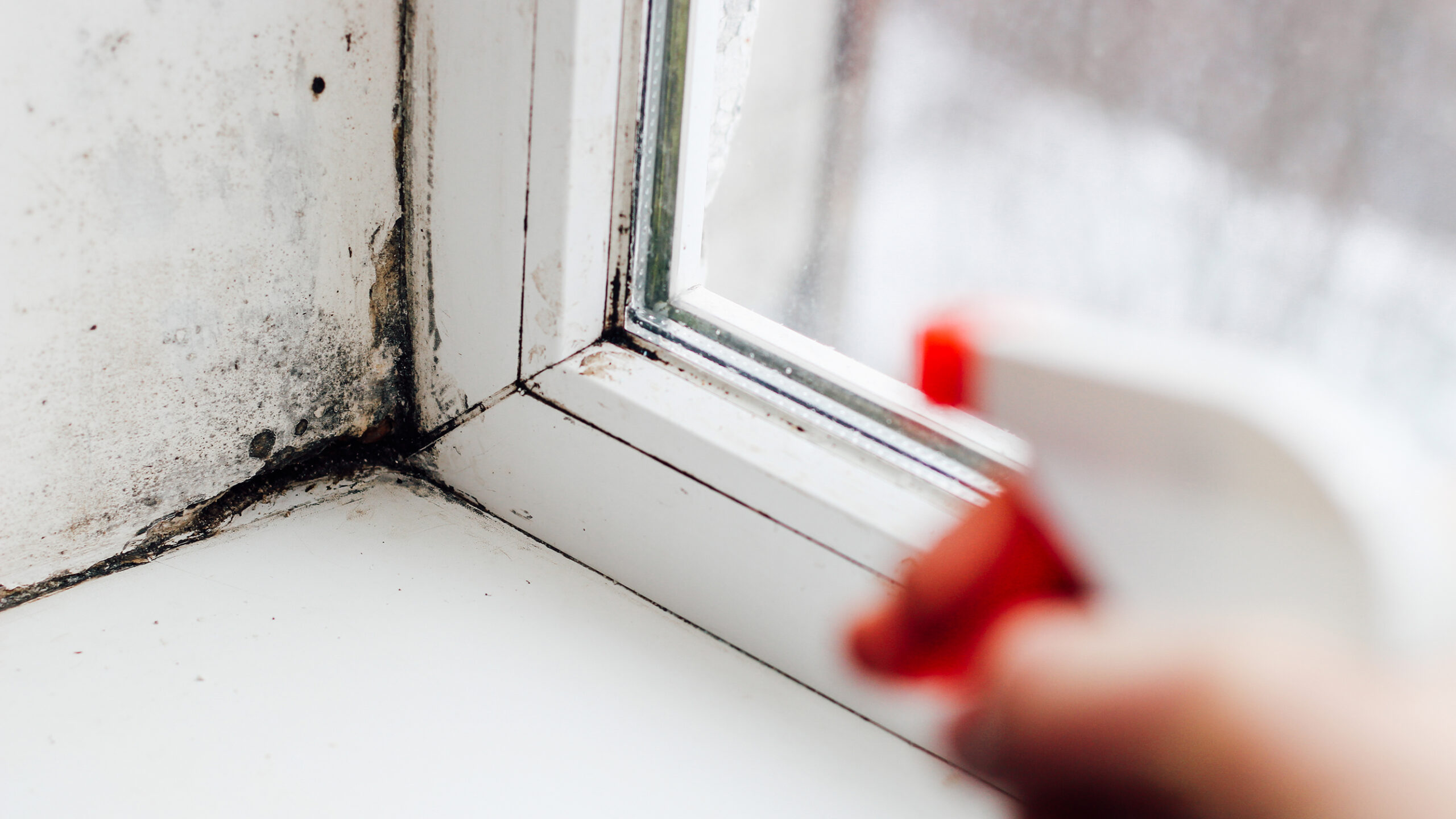
    Not all mold is visible or easy to spot. It often grows in damp, low-traffic areas like behind furniture, under sinks, near windows, or in basements. Even small amounts of hidden mold can release spores into the air, which may lead to coughing, sneezing, or skin irritation. For people with asthma, allergies, or weakened immune systems, regular exposure can make symptoms worse over time.

    How to reduce the hazard

    Check areas where moisture tends to collect, especially around plumbing, windows, and in closets or storage spaces. If you find any signs of mold, clean the area using a simple solution of one part white vinegar to one part water. Let it sit for at least an hour before scrubbing and drying the surface completely. In areas that stay damp, run a dehumidifier regularly to keep humidity below 50 percent. This helps prevent mold from returning and makes the space less hospitable to future growth.

    7. Poor Bathroom Ventilation

    Bathrooms are one of the most common places for moisture to collect. Without proper ventilation, steam from showers and baths can linger in the air, leading to damp walls, ceiling spots, and mildew buildup. Over time, this extra moisture can damage surfaces and increase the risk of mold growth, which may irritate the lungs or trigger allergies.

    How to reduce the hazard

    How to reduce the risk: Always use the exhaust fan while showering and leave it running for at least 20 minutes afterward to help clear out humidity. Clean the fan cover regularly to keep it working well. If your bathroom does not have a fan, try opening a window or keeping the door open to improve airflow and reduce moisture buildup.

    8. Tipping Furniture

    Furniture anchors may not look like much, but they play an important role in keeping your home safer. Tall or heavy items like dressers, bookshelves, and televisions can tip over if pulled, climbed on, or bumped, especially in homes with young children or pets. Injuries from furniture tip-overs can be serious, but they are also preventable.

    How to reduce the hazard

    How to reduce the risk: A simple set of adjustable wall anchors can help secure top-heavy furniture without drawing attention or taking up space. Use them to anchor dressers, shelves, and other heavy items to the wall. Focus on areas like bedrooms, play spaces, or anywhere kids and pets spend time. For added stability, place heavier items in lower drawers or on lower shelves.

    9. Old or Overloaded Power Strips

    Power strips are convenient, but they are not designed to handle everything. Overloading them with too many devices or connecting multiple strips together can overheat the wiring and increase the risk of electrical fires. Strips that are old, damaged, or used in damp areas like kitchens or bathrooms can also be dangerous, even if they seem to work fine.

    How to reduce the hazard

    Use power strips only for low to moderate energy devices and avoid plugging one strip into another. Replace any strip that shows signs of wear, feels warm to the touch, or lacks a surge protector. If you need more outlets in one area, it may be safer to install additional wall outlets or use a surge protector installed by a licensed electrician. Many homeowners turn to professionals like PRK Williams Building Group for help with electrical upgrades that improve safety and function over time.

    10. Scented Laundry Products

    That freshly washed scent might seem harmless, but many scented laundry detergents, fabric softeners, and dryer sheets contain synthetic fragrances and chemical additives that can irritate the skin, eyes, and lungs. These ingredients can also linger in your home’s air and on your clothing, which may be a concern for people with allergies, asthma, or sensitive skin.

    How to reduce the hazard

    Switch to a laundry detergent made without synthetic fragrances or harsh chemicals. Products labeled fragrance-free or formulated for sensitive skin are less likely to irritate the skin or affect air quality in your home. If you prefer a light scent, look for a detergent that uses essential oils or plant-based ingredients rather than artificial perfumes.

    Looking Closer at Home Hazards

    Many home hazards are not dramatic or urgent. They build up slowly, often going unnoticed until they begin to affect how you sleep, breathe, or move through your day. The good news is that most of these risks are easier to manage than they might seem.

    Taking a closer look at what is happening in your home, from air quality to how furniture is arranged, can make a meaningful difference in your daily health and comfort. You do not have to tackle everything at once. Even one change is a good place to begin.

    Want more practical ways to support your space and your health? Visit our Safety section for ideas, product spotlights, and simple ways to make your living space work better for you. You can also sign up for our newsletter to get curated content delivered straight to your inbox, and follow us on Facebook and Instagram for more everyday home health insights.


    This post may contain affiliate links. If you click a link and make a purchase, Healthy Living – Today may earn a small commission at no additional cost to you. We only feature products, programs, or services we’ve researched and believe may support a healthy lifestyle. Prices are subject to change and may vary from what’s listed. This content is for informational purposes only and is not intended as medical advice. Individual results may vary, and we do not guarantee any specific outcome.