Tag: Indoor Air Quality

  • Best Non-Toxic Products for a Healthy Home

    Best Non-Toxic Products for a Healthy Home

    A gentle breeze flows through the open window framed with blooming flowers, revealing a quiet garden filled with lush greenery and vibrant petals swaying softly.

    Transform Your Space with the Best Non-Toxic Products for a Healthy Home 

    Creating a healthy home starts with the products you use every day. From cleaners to cookware, hidden toxins can impact your well-being without you realizing it. By switching to non-toxic products, you protect your family, pets, and the environment — while still enjoying a clean, comfortable, and stylish home.

    In this guide, we’ll explore the best non-toxic products for a healthy home — covering cleaning essentials, cookware, bedding, and more — to help you make confident, sustainable choices.  If you haven’t yet, check our Home & Environment page for foundational strategies to reduce indoor toxins.

    Best Non-Toxic Cleaning Products

    Cleaning supplies are often the biggest source of indoor chemical exposure. Many conventional cleaners include harsh ingredients like ammonia, surfactants, or synthetic fragrances that can irritate the respiratory system or skin.

    One standout brand is Branch Basics, which offers a plant and mineral-based concentrate that can be diluted to create multipurpose cleaners. Their formula is fragrance-free and designed to be safer for humans, pets, and surfaces. 

    Tips for Switching to Non-Toxic Cleaning Products

    Making the switch to non-toxic cleaning products is one of the easiest ways to improve your home’s indoor air quality and create a safer environment for your family. Follow these practical tips to get started:

    • Start gradually: Replace your strongest cleaners first (bathroom, kitchen) to test sensitivity and see what works best for your household
    • Choose safer bottles: Use glass spray bottles instead of plastic to reduce potential chemical leaching
    • Test first: Always try new cleaners on a small area to ensure they’re safe for surfaces and don’t cause damage
    • Improve indoor air quality: By reducing chemical load in your cleaning routine, you help create a healthier home environment for your family

    Switching to non-toxic cleaning products can be straightforward.  Practical steps and thoughtful choices make a meaningful difference in your home’s health and safety. Explore our guide to a healthy home for more tips on creating a toxin-free living space.

    Safer Cookware & Food Storage Solutions

    Many conventional nonstick pans (like Teflon) and some plastic containers can release trace chemicals into food when heated or scratched. To protect your health, consider safer cookware and storage options:

    • Ceramic or quartz-coated nonstick pans (free of PTFE and PFOA)
    • Cast iron or carbon steel cookware for durable, non-toxic cooking
    • Stainless steel cookware for versatile, long-lasting use
    • Glass or stainless steel food storage containers to avoid chemical leaching

    Brands such as Caraway offer stylish, non-toxic cookware lines that skip harmful coatings, helping reduce exposure to microplastics and other chemicals. Investing in safer cookware is an investment in your health — particularly important for frequent cooks and families with children.

    Non-Toxic Bedding, Furniture & Materials

    Many mattresses, couches, and rugs emit volatile organic compounds (VOCs) and flame retardants. For safer sleeping and relaxing environments:

    Some eco-friendly brands like Avocado Green Mattress prioritize safer materials and elimination of flame retardant chemicals.  Choosing low-VOC materials and improving ventilation are two of the simplest ways to minimize indoor pollutants.

    Eco-Friendly Air & Water Purification

    Even with clean products and furnishings, you still need to manage airborne and waterborne pollutants.

    Air Purification Approaches

    • Use HEPA air purifiers: Choose true HEPA filters, not “HEPA-like,” to capture fine particles such as dust, pollen, and pet dander.
    • Add natural air-purifying plants: Spider plants, peace lilies, and snake plants can help reduce airborne toxins while brightening your space.
    • Ventilate daily: Open windows when possible to circulate fresh air and reduce indoor pollutants.

    Water Purification Methods

    • Use activated carbon or reverse osmosis filters: These help remove chlorine, heavy metals, and other contaminants from drinking water.
    • Install point-of-use filters: Kitchen faucet or under-sink filters provide convenient, immediate access to purified water.
    • Regularly replace filters: Follow manufacturer recommendations to ensure effective contaminant removal.
    • Consider UV or ceramic filters: Ideal for reducing bacteria, cysts, and other microorganisms.
    • Use filtered pitchers: A practical way to improve water taste and safety throughout the day.
    • Check for NSF/ANSI certification: Ensure your water filter meets verified standards for contaminant reduction.

    Indoor air can be 2–5X more polluted than outdoors, so combining source reduction strategies with filtration is crucial.

    A Healthy Home Strategy

    Here’s a phased approach to reduce toxins without overwhelming your budget:

    1. Start in the kitchen – Replace conventional cleaners + upgrade a few key cookware pieces
    2. Move to bedrooms/living areas – Swap out mattresses, pillows, and textiles
    3. Add air & water filtration – Use purifiers and filters to address residual pollutants
    4. Perform a “chemical purge” – Explore our How to Create a Chemical-Free Cleaning Routine for a Healthier Home for more safe, effective options.

    Lastly, refer to the 36 Expert Tips for a Healthier Home from Harvard’s Healthy Buildings program for broader strategies (ventilation, moisture control, materials, etc.).

    Explore our Home and Environment section for more green living tips.  Follow us on Facebook and Instagram for daily inspiration. Subscribe to our newsletter for curated content and practical ideas for healthy living.

    This post may contain affiliate links. If you click a link and make a purchase, Healthy Living – Today may earn a small commission at no additional cost to you. We only feature products, programs, or services we’ve researched and believe may support a healthy lifestyle. Prices are subject to change and may vary from what’s listed. This content is for informational purposes only and is not intended as medical advice. Individual results may vary, and we do not guarantee any specific outcome.
  • Top 10 Plants for Air Purification

    Top 10 Plants for Air Purification

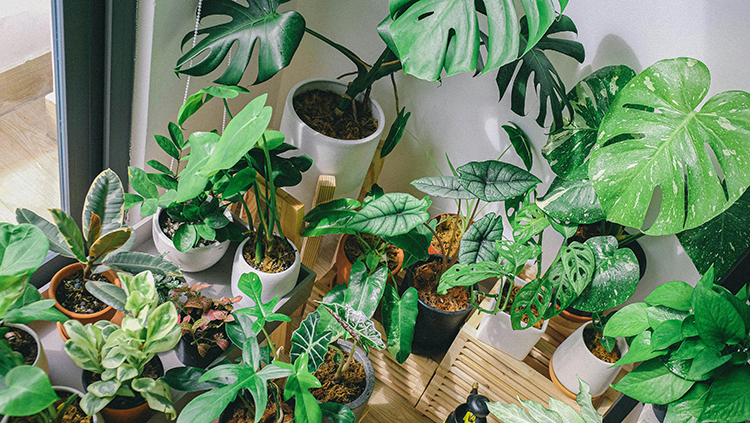
    Green leaf plants

    Improve Your Home Environment Naturally 

    Indoor air quality has a big impact on your health, comfort, and overall well-being. Plants for air purification can naturally remove toxins, increase oxygen, and help maintain healthy humidity levels. Adding these plants to your home not only freshens the air but also creates a calmer, more inviting space for you and your family.

    Why Plants for Air Purification Matter

    Most people don’t realize that indoor air can be more polluted than outdoor air, often containing chemicals released from cleaning products, furniture, paint, and electronics. These airborne pollutants can contribute to headaches, allergies, fatigue, and respiratory irritation over time.

    Plants for air purification provide a natural solution. Through a process called phytoremediation, certain plants absorb toxins like benzene, formaldehyde, and xylene through their leaves and roots, helping to clean the air inside your home. Many of these plants also boost humidity, which can be especially helpful in dry indoor environments, and create a sense of calm and connection to nature.

    By incorporating these plants, you can improve air quality, support respiratory and mental health, and enhance your home’s overall atmosphere. Even a few strategically placed plants can make your living space feel fresher, brighter, and more relaxing.

    Plant Summary

    PLANTCONTAMINANTS REDUCEDCARE / TIPS
    1Spider Plant (Chlorophytum comosum) formaldehyde, xylene, toluene, carbon monoxideeasy to care for, thrives in indirect sunlight, tolerates a range of temperatures, grows well in hanging baskets
    2Snake Plant (Sansevieria trifasciata)formaldehyde, benzene, xylene, toluene, nitrogen oxides, trichloroethylenelow-maintenance; tolerates low light and infrequent watering; place in bright, indirect sunlight when possible; produces oxygen at night, making it ideal for bedrooms
    3Peace Lily (Spathiphyllum)formaldehyde, benzene, trichloroethylene, xylene, ammoniakeep it in shaded areas with consistent moisture, remember to wipe the leaves to remove dust
    4Boston Fern (Nephrolepis exaltata)formaldehyde, xylenethrives in high humidity and indirect light, mist the fronds regularly to keep them healthy
    5Aloe Vera (Aloe barbadensis miller)formaldehyde, benzeneprovide bright, indirect sunlight and minimal watering; provides soothing gel for minor skin irritations
    6Areca Palm (Dypsis lutescens)formaldehyde, xylene, tolueneplace it in bright, indirect light; water regularly, and avoid drafts; adds humidity to dry indoor air
    7English Ivy (Hedera helix)formaldehyde, benzene, xylene, toluenerequires moderate sunlight and regular watering, grow it in hanging baskets or as a trailing vine
    8Rubber Plant (Ficus elastica)formaldehydeplace it in bright, indirect light; water moderately; wipe leaves periodically to maximize air-cleaning benefits
    9Bamboo Palm (Chamaedorea seifrizii)formaldehyde, benzene, trichloroethylene, xyleneprefers bright, indirect light and moist soil; water consistently
    10Golden Pothos (Epipremnum aureum)formaldehyde, benzene, xylene, toluenelow-maintenance and tolerant of low light, water moderately and allow soil to dry slightly between watering

    For those who want to explore the research behind plant-based air purification, here are several key studies:

    Plants for Air Purification:  Key Takeaways

    Bringing air-purifying plants into your home is an easy and effective way to boost indoor air quality and create a healthier environment. These plants naturally filter toxins, balance humidity, and enhance overall well-being when given proper care.

    Some of the best options include the Spider Plant, Snake Plant, Peace Lily, Boston Fern, Aloe Vera, Areca Palm, English Ivy, Rubber Plant, Bamboo Palm, and Golden Pothos. Each offers unique benefits and thrives in different light and humidity conditions, so it’s worth matching the right plant to each room.

    For best results, place your plants where they can circulate clean air effectively — such as near windows or in high-traffic areas. Always check specific care instructions, and if you have pets or allergies, choose non-toxic varieties to keep your home both beautiful and safe.

    Plants for Air Purification:  FAQs

    Do air-purifying plants really improve indoor air quality?

    They sure can! Many plants help remove toxins, boost oxygen, and cut down on pollutants. Just remember — they work best alongside good ventilation and regular cleaning, not as a total replacement.

    Which plant is easiest to care for?

    If you’re just starting out, go with a Snake Plant or Golden Pothos. They’re tough, forgiving, and don’t mind a little neglect or low light.

    Can pets safely be around these plants?

    Some plants, like Peace Lily, English Ivy, and Aloe Vera, can be toxic if your cat or dog decides to take a bite. It’s always smart to double-check plant safety before bringing new greenery home.

    How many plants do I need to improve air quality?

    NASA’s research suggests having about one or two medium-sized plants per 100 square feet. Of course, adding more not only helps the air but also makes your space feel calmer and more alive.

    Where should I place air-purifying plants?

    Put them in spots where you spend a lot of time — like living rooms, bedrooms, or your home office. Good light helps them thrive, and hanging baskets or shelves are great for saving space and keeping air flowing.

    Making the Most of Your Air-Purifying Plants

    Understanding how these plants support cleaner air is only part of the picture. Choosing the right ones for your space and giving them consistent care can help you see the biggest benefits.  Even a few plants can make your home feel fresher and calmer. By incorporating these top air-purifying plants into your home, you can naturally improve indoor air quality, enhance your well-being, and create a healthier, more vibrant living space.

    Explore our Home and Environment section for additional information on indoor air quality. Follow us on Facebook and Instagram for daily inspiration. Subscribe to our newsletter for curated content and practical ideas for healthy living.

    This post may contain affiliate links. If you click a link and make a purchase, Healthy Living – Today may earn a small commission at no additional cost to you. We only feature products, programs, or services we’ve researched and believe may support a healthy lifestyle. Prices are subject to change and may vary from what’s listed. This content is for informational purposes only and is not intended as medical advice. Individual results may vary, and we do not guarantee any specific outcome.

  • Cleaner, Healthier Air with SONA Air Purification

    Cleaner, Healthier Air with SONA Air Purification

    Air ducts showing in an upscale apartment

    Why SONA Air Purification Stands Out for Homes and Businesses

     In our post-COVID world, we’ve all become more aware of the air we breathe, especially indoors. Enter SONA Air Purification technology, a breath of fresh air in the world of indoor air quality. Our friends at Healthy Spaces, recognizing how clean air contributes to overall wellness, have developed this innovative product line to improve air quality in a wide range of indoor spaces.

    Here’s something to consider — we spend up to 90% of our time indoors. The quality of air in these spaces significantly impacts our health, productivity, and comfort. SONA Air Purification addresses this often-overlooked aspect of our environment by providing a comprehensive approach to air purification that goes beyond traditional filtration methods.

    Why SONA Stands Out

    • Nature-Inspired Cleaning: SONA mimics nature’s air-cleaning process, generating ions similar to those created by crashing waves and sunlight — without adding harmful artificial chemical scents.
    • Comprehensive Purification: SONA tackles bacteria, viruses, mold spores, odors, dust, dander, smoke, and outdoor pollutants.
    • Advanced DBD (Dielectric Barrier Discharge) Technology: SONA’s proprietary cold plasma technology produces long-lasting ions, outperforming traditional air purifiers.

    How SONA Works

    SONA’s technology operates on several advanced processes to keep your air fresh and healthy:

    • Virus Reduction: The ions disrupt pathogens’ surface proteins, rendering them inactive and unable to replicate.
    • Ion Generation: As air passes over the SONA cell, it produces millions of positively and negatively charged oxygen ions.
    • Particle Agglomeration: These ions combine with airborne particles, creating a snowball effect called agglomeration. This makes particles easier to capture in your HVAC system’s filter.
    • VOC Breakdown: SONA breaks down the molecular structure of volatile organic compounds (VOCs).
    • Odor Elimination: Pet, cooking, bathroom, and other odors are broken down into harmless compounds at their source.
    • Particulate Removal: SONA increases the weight of particulates, causing them to drop out of the breathing zone.

    Versatile Applications

    SONA’s design makes it suitable for a wide range of environments:

    • Residential Homes: Helps maintain cleaner air and reduce common indoor particles for a more comfortable living environment.
    • Office Spaces: Supports fresher air and a pleasant atmosphere for those working in shared spaces.
    • Healthcare Facilities: Assists in maintaining cleaner air in areas where hygiene is a priority.
    • Educational Institutions: Contributes to a comfortable learning environment with improved air freshness.
    • Hospitality Venues: Enhances the overall guest experience by reducing odors and maintaining a welcoming atmosphere.
    • Industrial Settings: Helps address air quality concerns related to certain manufacturing environments.

    In each setting, SONA adapts to specific air quality needs, delivering a tailored solution that addresses the unique challenges of the space.

    Eco-Friendly Benefits

    A SONA Air Purification System helps maintain cleaner indoor air while reducing the need for outside air intake, potentially lowering energy costs. The system itself uses minimal energy — comparable to a standard light bulb.

    Healthy Spaces Product Line

    Healthy Spaces offers three SONA Air Purification models:

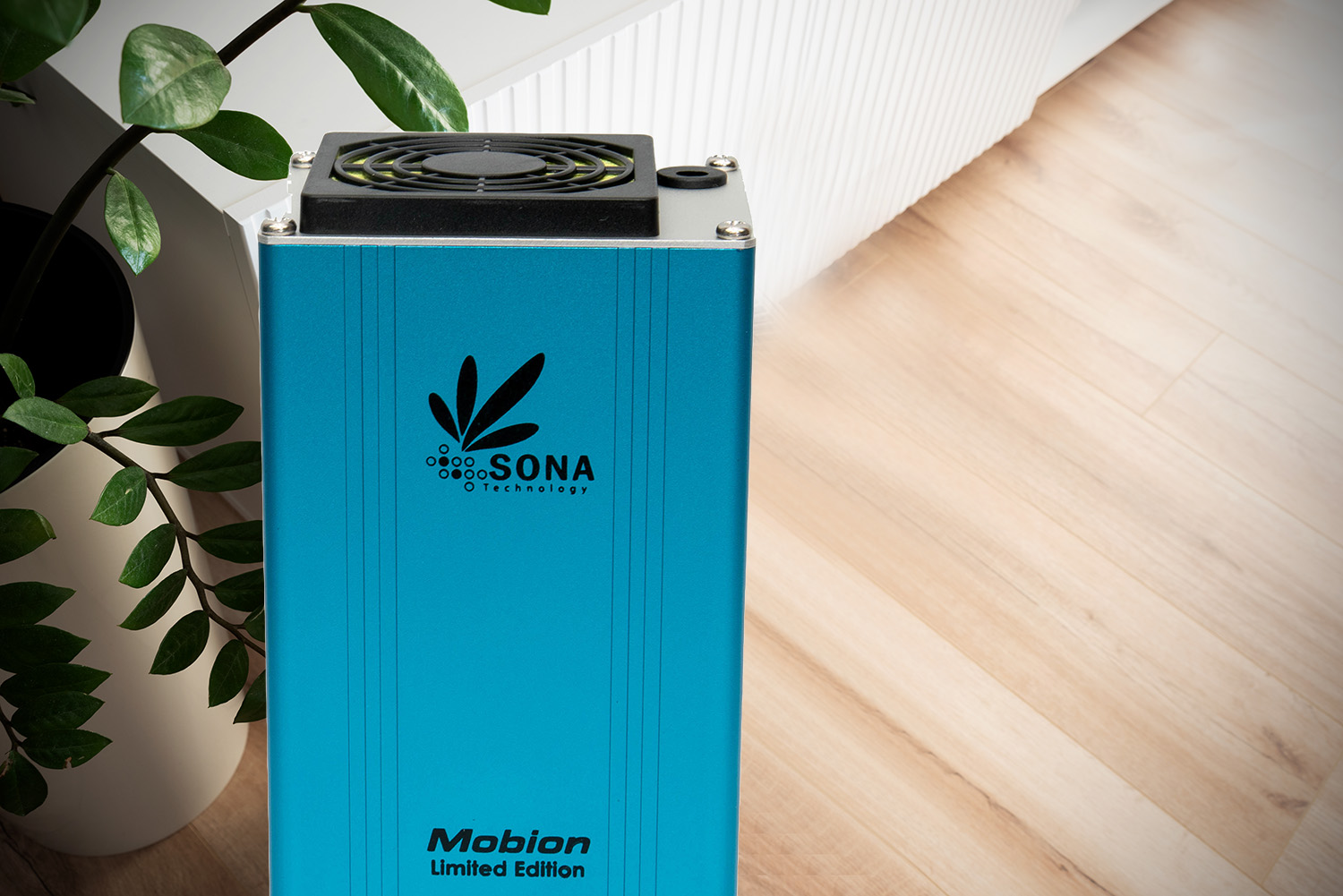
    • SONA Mobion:  A portable, plug-and-play unit ideal for personal spaces such as bedrooms, offices, vehicles, or travel use.
    • SONA Ducty HS: Perfect for homes and small to medium-sized businesses.
    • SONA Ducty QS: Ideal for large-scale applications in factories and commercial buildings.

    All models feature easily replaceable cells (typically replaced annually) and come with an industry-leading 10-year warranty, reflecting Healthy Spaces’ commitment to durability and performance.

    Choose SONA from Healthy Spaces

    The Healthy Spaces Team is dedicated to solutions that improve lives. By choosing SONA, you’re not only investing in cleaner air but also supporting a company that pledges a significant portion of profits to causes benefiting people with disabilities.

    Transform your indoor environment with SONA — the advanced solution for cleaner, healthier air. Contact Healthy Spaces today to discover how SONA can revolutionize your air quality and boost your overall well-being.

    Breathe easier and live healthier with SONA Air Purification technology, available through Healthy Spaces.

    Explore our Home and Environment section for expert tips, product recommendations, and step-by-step resources to help you make informed decisions about the spaces you live in. Follow us on Facebook and Instagram for daily inspiration. Subscribe to our newsletter for curated content and practical ideas for healthy living.

    This post may contain affiliate links. If you click a link and make a purchase, Healthy Living – Today may earn a small commission at no additional cost to you. We only feature products, programs, or services we’ve researched and believe may support a healthy lifestyle. Prices are subject to change and may vary from what’s listed. This content is for informational purposes only and is not intended as medical advice. Individual results may vary, and we do not guarantee any specific outcome.
  • Why Air-Tight Homes Need Ventilation and Air Purification for Optimal Indoor Air

    Why Air-Tight Homes Need Ventilation and Air Purification for Optimal Indoor Air

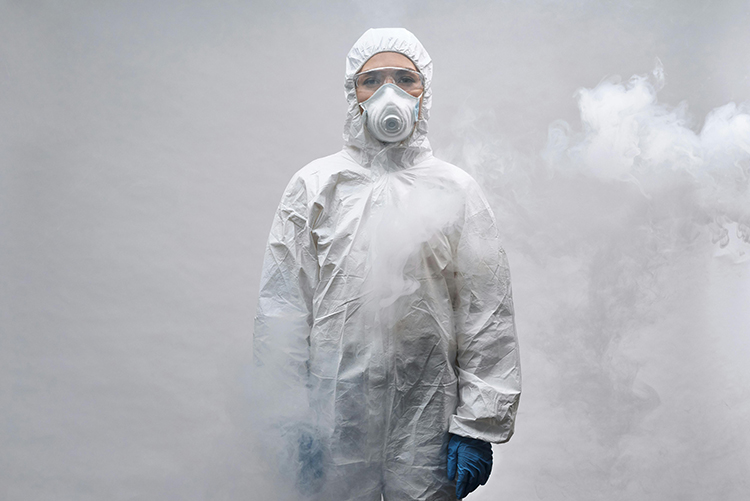
    Person Standing in a Smoky Room

    The Challenge of Indoor Air in Air-Tight Homes

    Modern homes are built to be energy efficient, with tight seals that prevent heat loss and reduce utility costs. While this saves energy, it also limits natural airflow, trapping stale indoor air, moisture, and pollutants inside. Without proper ventilation and purification, the air you breathe can become filled with carbon dioxide (CO₂), volatile organic compounds (VOCs), allergens, and excess humidity — all of which impact health and comfort.

    The solution lies in combining two technologies: Energy Recovery Ventilators (ERVs) and an air purification system. Each addresses a different part of the problem, and together they create cleaner, fresher indoor air year-round.

    How Ventilation Improves Indoor Air

    An Energy Recovery Ventilator is designed to bring fresh outdoor air in while exhausting stale indoor air. Unlike simply opening a window, an ERV filters and tempers incoming air, exchanging heat and moisture between the two air streams. This means your home maintains balanced humidity and a comfortable temperature without wasting energy.

    By consistently replacing stale indoor air, an ERV helps:

    • Reduce stuffiness and odors
    • Lower concentrations of CO₂ and VOCs
    • Maintain optimal humidity to prevent mold and structural damage
    • Support energy efficiency by retaining heat in winter and coolness in summer

    With an ERV, your home’s indoor air feels fresher, smells cleaner, and stays more comfortable — all without a spike in energy bills.  Professional organizations like the PRK Williams Building Group can assist you in exploring ways to improve fresh air circulation. 

    Why Air Purification is Essential for Indoor Air

    Even filtered outdoor air can carry pollen, dust, smoke, and viruses. Air purification systems remove these contaminants, ensuring the air circulating inside your home is as clean as possible.

    Two high-performance options are:

    • SONA Mobion Air Purification System – A portable, plug-and-play unit you can place in bedrooms, offices, or living spaces. It uses advanced plasma technology to actively reduce airborne allergens, bacteria, and odors. Ideal when outdoor air quality is poor from wildfire smoke, pollution, or seasonal pollen.
    • SONA Ducty HS Air Purification System – A whole-home system installed directly into your HVAC ductwork. It purifies every room continuously as air circulates, offering low-maintenance, all-day protection.

    The Ultimate Indoor Air Strategy: Ventilation + Purification

    An ERV ensures your home gets a steady supply of fresh, tempered air. An air purification system makes that air cleaner by removing microscopic pollutants and neutralizing harmful pathogens. Together, they deliver:

    • Cleaner, healthier indoor air in every season
    • Protection against allergens, mold, and bacteria
    • Comfort without sacrificing energy efficiency
    • Peace of mind knowing your home’s air is always fresh and safe

    In today’s air-tight homes, ventilation and air purification aren’t optional — they’re essential partners in maintaining optimal indoor air quality.

    Energy Recovery Ventilators Combined with Air Purification Systems

    ENERGY RECOVERY VENTILATORSAIR PURIFICATION SYSTEMS
    PRIMARY PURPOSEProvides controlled ventilation by exchanging stale indoor air with fresh outdoor airRemoves airborne contaminants from indoor air
    HOW IT WORKSTransfers heat and moisture between incoming and outgoing air to maintain comfort and efficiencyUses filters, ionization, or other technology to neutralize allergens, bacteria, and odors
    KEY BENEFITSFresh air circulation, balanced humidity, energy savingsCleaner air, reduced allergens, neutralized viruses/bacteria, odor elimination
    IDEAL FORHomes needing year-round fresh air without losing heating/cooling efficiencyHomes needing targeted removal of pollutants, allergens, and pathogens

    By combining the strengths of ventilation and air purification, you ensure your home is not just energy-efficient but also a space that nurtures health and comfort. These systems work together to reduce allergens, control humidity, and deliver cleaner air in every season. When your home’s air is fresh and pure, you can focus on what truly matters — living well and enjoying life to the fullest.

    Explore our Home and Environment section for expert tips, product recommendations, and step-by-step resources to help you make informed decisions about the spaces you live in. Follow us on Facebook and Instagram for daily inspiration. Subscribe to our newsletter for curated content and practical ideas for healthy living.

    This post may contain affiliate links. If you click a link and make a purchase, Healthy Living – Today may earn a small commission at no additional cost to you. We only feature products, programs, or services we’ve researched and believe may support a healthy lifestyle. Prices are subject to change and may vary from what’s listed. This content is for informational purposes only and is not intended as medical advice. Individual results may vary, and we do not guarantee any specific outcome.
  • Peace of Mind at Home: Smart Products Every Family Can Trust

    Peace of Mind at Home: Smart Products Every Family Can Trust

    Two home security cameras in the foreground with a house in the background, representing smart home monitoring and family safety.

    Home Safety Products Every Family Can Trust

    Home should be the place where your family feels safe and cared for. Yet, security is an important concern for many homeowners. Recent home security statistics show that visible safety measures, like cameras and smart locks, can help reduce the risk of break-ins. Choosing the right home safety products helps protects your space. In addition, it also gives your family the confidence to relax and enjoy time together.

    The home safety products below are practical, reliable, and designed to fit naturally into everyday life. They help you feel secure, better prepared, and more comfortable knowing that your home supports your family’s safety and well-being.

    TP-Link Tapo Wire-Free Magnetic Security Camera (2K QHD)

    A reliable security camera is the foundation of a safer home, and this wire-free, magnetic option from TP-Link Tapo makes monitoring simple. The 2K QHD resolution provides clear, high-quality video during the day and at night, so you can check on your home anytime. Its magnetic design allows for flexible placement indoors or outdoors, making it easy to keep an eye on entry points, backyards, or shared living spaces. With real-time motion alerts to your phone, this camera helps you stay informed without constant checking.

    Google Nest Doorbell (Battery)

    Knowing who is at your door, even when you are away, brings an extra level of confidence to your home. The Google Nest Doorbell delivers smart alerts for people, packages, and general activity, so you are always aware of what is happening at your doorstep. Two-way audio lets you communicate with visitors from anywhere, making it useful for deliveries or checking in when kids get home from school. With a wireless battery design, it is easy to install and integrates seamlessly into everyday life.

    Schlage Encode Smart WiFi Deadbolt

    Keys can be misplaced, but peace of mind should not be. The Schlage Encode Smart WiFi Deadbolt offers keyless entry with secure remote access, giving you the ability to lock or unlock your door from your phone. It also sends activity notifications, which is especially helpful if you have kids, babysitters, or other family members coming and going. Strong, durable, and simple to use, this smart lock makes your home both safer and more convenient.

    SONA Mobion Air Purification System

    The SONA Mobion Air Purification System uses ionization technology to clean the air, rather than relying on traditional filters. It releases negative ions that attach to airborne particles and breaks them down, helping to neutralize contaminants like allergens and microbes. This compact purifier is quiet, energy-efficient, and requires no filter changes, making it easy to maintain. It is ideal for bedrooms, offices, or other small indoor spaces where cleaner air can make your home feel healthier and more comfortable.

    Kidde 10-Year Battery Smoke & Carbon Monoxide Detector

    Smoke and carbon monoxide are hazards that every family needs to prepare for. This combination detector from Kidde provides reliable protection with the convenience of a 10-year sealed battery, so you do not have to worry about frequent battery changes. Early alerts give your family the time needed to respond, and the dual-function design saves space while delivering comprehensive coverage. Knowing that your home is continuously monitored for two major safety risks is an instant stress reducer.

    Philips Hue Smart Light Starter Kit

    Lighting plays a larger role in home safety than many realize. With the Philips Hue Smart Light Starter Kit, you can schedule lights to turn on at key times or control them remotely through your phone. A well-lit home deters unwanted visitors and makes evening routines safer for your family. Smart lighting also adds comfort and convenience, helping your home feel warm and welcoming whether you are there or away.

    Ready America 4-Person 3-Day Deluxe Emergency Kit

    Preparedness is a cornerstone of peace of mind. The Ready America 4-Person 3-Day Deluxe Emergency Kit provides essential supplies for short-term emergencies like power outages, severe weather, or natural disasters. Stocked with food, water, first aid, and practical tools, it ensures that your family has what it needs to stay safe and comfortable until help arrives. Keeping a kit like this at home or in a car adds an invaluable layer of security to your overall home safety plan.

    Building Confidence in Your Home

    Creating a home that feels safe and cared for starts with thoughtful choices. The right home safety products can reduce worry, protect your family, and make your space feel more comfortable and secure. From smart cameras and doorbells to air purification and emergency preparedness, these tools give you confidence that your home is ready for the unexpected. Prioritizing safety and preparation allows your family to enjoy your home with less stress and greater peace of mind.

    Ready to explore more ways to protect and support your family at home?

    Visit our Safety section for more practical guidance and trusted products that bring peace of mind to everyday life. Subscribe to our newsletter for curated content and reliable ideas delivered straight to your inbox. Follow us on Facebook and Instagram or everyday inspiration to help your family feel safe, connected, and supported.

    This post may contain affiliate links. If you click a link and make a purchase, Healthy Living – Today may earn a small commission at no additional cost to you. We only feature products, programs, or services we’ve researched and believe may support a healthy lifestyle. Prices are subject to change and may vary from what’s listed. This content is for informational purposes only and is not intended as medical advice. Individual results may vary, and we do not guarantee any specific outcome.

  • 10 Steps to a Toxin-Free Living Space

    10 Steps to a Toxin-Free Living Space

    A toxin-free home. A bright, modern living room with natural light, houseplants, organic textiles, and minimalistic decor. The mood is fresh, peaceful, and health-focused.

    Create a toxin-free home

    Creating a toxin-free home isn’t just about what you remove – it’s about what you choose to welcome in. At Healthy Living – Today, we know that your environment plays a vital role in your overall health. Every deliberate decision you make, from the air you breathe to the objects you touch on a daily basis, adds up to significant gains in your well-being. Here’s how to detox your living space, one step at a time.

    1. Improve Indoor Air Quality

    Your home’s air can contain pollutants like dust, VOCs, and mold spores. To reduce these toxins, open windows regularly, use natural ventilation, and consider adding an air purifier.

    Try This: The SONA Mobion Air Purification System delivers advanced, hospital-grade air filtration to protect your home from airborne toxins, allergens, and pollutants.

    2. Use Non-Toxic Cleaning Products

    Swap conventional cleaners for natural alternatives that are free of harsh chemicals. Look for products with plant-based ingredients and no artificial fragrances.

    Try This: Puracy Natural Surface Cleaner is safe, effective, and perfect for families aiming for a toxin-free home.

    3. Choose Low-VOC Paint and Furniture

    Paint, furniture, and flooring can release volatile organic compounds (VOCs) into the air. Choose low-VOC or zero-VOC options when renovating or decorating.

    Quick Tip: Ventilate your space during and after painting or installing new items to reduce lingering fumes.

    4. Go Green With Houseplants

    Plants like spider plants, peace lilies, and snake plants help purify the air naturally. They also add beauty and calm to any room.

    Bonus: Indoor greenery can also promote relaxation and support better sleep and recovery.

    5. Filter Tap Water

    Municipal tap water may contain contaminants like chlorine, lead, or microplastics. Install a high-quality water filter to reduce exposure and improve taste.

    Try This: The Brita Elite Water Pitcher offers advanced filtration and is easy to use.

    6. Say No to Synthetic Fragrances

    Air fresheners, candles, and scented sprays often contain phthalates and other toxins. Opt for fragrance-free or naturally scented options instead.

    Try This: Grow Fragrance Room Spray uses 100% plant-based essential oils and is safe for kids and pets.

    7. Rethink Plastic Use

    Plastics can leach chemicals like BPA and phthalates into your food and environment. Replace plastic containers with glass, stainless steel, or silicone alternatives.

    Quick Tip: Never microwave plastic, even if it’s labeled microwave-safe.

    8. Upgrade Your Mattress and Bedding

    Conventional mattresses may off-gas harmful chemicals. Look for organic or natural latex mattresses and bedding made with GOTS-certified organic cotton.

    Try This: The Avocado Green Mattress is made from organic, non-toxic materials that support deeper sleep and healthy aging by reducing exposure to harmful chemicals

    9. Limit Electronics in the Bedroom

    Blue light and EMF exposure can interfere with sleep quality. Reduce screen time before bed and keep devices out of the bedroom.

    Try This: Use a sunrise-simulating alarm clock like the Philips SmartSleep Wake-Up Light to create a more natural sleep routine.

    10. Embrace Natural Wellness Practices

    Your home should be a space for restoration. Add calming rituals like herbal teas, essential oils, and mindfulness practices to create a balanced atmosphere.

    Explore: Natural wellness practices pair beautifully with a toxin-free home.

    Creating a toxin-free home doesn’t happen overnight, but every change brings you closer to a healthier, happier home. At Healthy Living – Today, we’re here to support your journey with tips, tools, and trusted products that help you live well – naturally.

    Explore our Home & Environment section for tools and strategies for creating healthy spaces. Follow us on Facebook and Instagram for daily inspiration. Subscribe to our newsletter for curated content and practical ideas for healthy living.

    This post may contain affiliate links. If you click a link and make a purchase, Healthy Living – Today may earn a small commission at no additional cost to you. We only feature products, programs, or services we’ve researched and believe may support a healthy lifestyle. Prices are subject to change and may vary from what’s listed. This content is for informational purposes only and is not intended as medical advice. Individual results may vary, and we do not guarantee any specific outcome.

  • Building a Healthy Home Environment from the Inside Out

    Building a Healthy Home Environment from the Inside Out

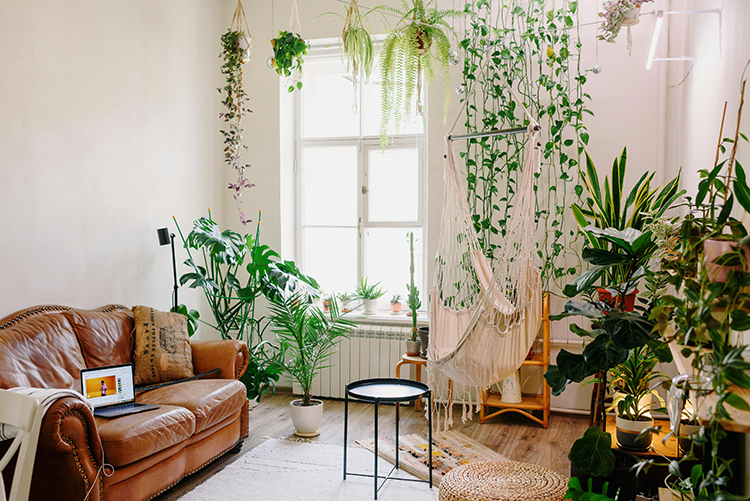
    Modern living room interior with abundant natural light and lush indoor plants:  This bright, plant-filled space beautifully illustrates the essence of a healthy home environment — natural light, greenery, and a cozy atmosphere that encourages wellness.

    Healthy Home, Healthy Life

    Your home should be a haven – a place that nurtures your body, calms your mind, and protects your health. Yet, many of us overlook how much our indoor environments influence everything from sleep quality to stress levels, immune function, and long-term disease risk.

    With Americans spending nearly 90% of their time indoors, a healthy lifestyle isn’t complete without a healthy home environment. From the air you breathe to the materials you touch, your home environment directly shapes your wellness outcomes. This in-depth guide explores the science behind a healthy home environment. In addition, it offers actionable tips and product spotlights to help you create a sanctuary that supports whole-body health.

    1. Indoor Air Quality: The Breath of Better Health

    Indoor air pollution is a hidden hazard. According to the EPA, indoor air can be 2 to 5 times more polluted than outdoor air — sometimes even more. Common sources include dust, pet dander, mold spores, cooking fumes, synthetic cleaning products, and volatile organic compounds (VOCs) emitted from furniture and flooring.  These pollutants have been linked to asthma, chronic bronchitis, cardiovascular issues, and neurodevelopmental problems in children.

    Recommended Product: SONA Ducty HS Air Purifier

    Create a healthy home environment with the SONA Ducty HS. The SONA Ducty HS uses the latest in plasma air purification technology to purify the air. This includes reducing contaminants such as allergens, smoke, odors, and more!  Its quiet performance and large room coverage make it ideal for bedrooms or living spaces.

    Science Spotlight:

    A 2020 Environmental Health Perspectives study found that households using HEPA-grade filters saw significant reductions in PM2.5 levels, thus leading to improved respiratory function in both children and adults.

    2. Surface Safety: Choosing Non-Toxic Materials and Cleaners

    Many household materials, such as vinyl flooring, synthetic upholstery, pressed wood furniture, can release VOCs for years after purchase. These toxins are linked to endocrine disruption, headaches, and long-term cancer risk. In addition, the problem is worsened by common cleaning products that contain ammonia, bleach, or synthetic fragrances.

    Recommended Product: Branch Basics Cleaning Essentials Kit

    This refillable, plant-based cleaner is free from harsh chemicals and artificial scents. It is also effective enough to tackle everyday messes. It’s safe for children, pets, and anyone with chemical sensitivities.

    Science Spotlight:

    A study in the American Journal of Respiratory and Critical Care Medicine found that regular use of chemical cleaners is as damaging to lung function as smoking 20 cigarettes a day over a 20-year period.

    3. Lighting and Circadian Health: Syncing with Your Body’s Clock

    Light isn’t just visual. Light is also biological. Natural sunlight helps regulate your circadian rhythm, thereby influencing everything from sleep quality to hormone production. Conversely, exposure to bright artificial light at night (especially blue light from screens) disrupts melatonin production and sleep architecture.

    Recommended Product: Philips Hue Smart Light Starter Kit

    With adjustable brightness and color temperature, these smart bulbs can be scheduled to mimic natural light cycles. As a result, they energize you during the day and helping you wind down at night.

    Science Spotlight:

    Circadian-disrupting lighting is associated with higher risk for insomnia, obesity, metabolic syndrome, and depression.

    4. Soundscapes and Serenity: Managing Noise Pollution

    Noise pollution, including traffic, appliances, or even internal chatter, contributes to elevated cortisol levels, poor sleep, and cardiovascular strain. Chronic exposure to environmental noise has been linked to increased hypertension and anxiety. Creating a healthy home environment with quiet zones or incorporating calming soundscapes can significantly reduce stress and improve cognitive performance.

    Recommended Product: Yogasleep Hushh Portable White Noise Sound Machine

    The Yogasleep Hushh Portable White Noise Sound Machine offers soothing white noise for better sleep, anywhere you go. Featuring three soothing sound options — bright white noise, deep white noise, and gentle surf — the Hushh helps block out disruptive noises, creating a calm environment. Its lightweight, portable design makes it easy to take on the go, whether you’re traveling or just moving from room to room.

    Science Spotlight:

    A 2018 study in Frontiers in Psychology found that exposure to nature sounds and white noise enhanced focus and reduced stress-related biomarkers in urban dwellers.

    5. Movement-Friendly Design: Supporting Physical Activity at Home

    Sitting for long hours is linked to metabolic dysfunction, muscle loss, and chronic inflammation — even among those who exercise regularly. A healthy home environment that promotes movement can combat sedentary behavior and improve posture, circulation, and energy.

    Recommended Product: Trideer Extra Thick Exercise (Yoga) Ball

    This anti-burst balance ball supports active sitting, gentle stretching, and core-strengthening workouts. It’s ideal for use at a desk, during TV time, or as part of your daily mobility routine.

    Science Spotlight:

    Light-intensity physical activity (like standing, stretching, or using a stability ball) significantly improves insulin sensitivity and reduces cardiovascular risk factors.

    6. Humidity and Respiratory Health

    Maintaining indoor humidity between 30% and 50% supports mucosal health, prevents dry skin, and reduces the spread of airborne viruses. Low humidity increases the risk of respiratory irritation, while high humidity encourages mold growth and dust mites.

    Recommended Product: LEVOIT LV600S Smart Humidifier

    Enhance your indoor air quality with the versatile LEVOIT LV600S Smart Humidifier, perfect for year-round comfort and ease. The LEVOIT LV600S Smart Warm and Cool Mist Humidifier is designed to deliver customized humidity levels in large rooms up to 753 sq ft. With both warm and cool mist options, it provides tailored comfort to suit any season. The patented Hybrid Mist Technology ensures efficient, even humidification, while the essential oil diffuser adds an aromatic touch to your home.

    Bringing It All Home

    Natural Materials & Eco-Conscious Choices

    Choosing sustainable, low-toxin materials reduces your environmental footprint and supports cleaner indoor air. Natural fibers like organic cotton, hemp, wool, and bamboo help regulate humidity, resist mold, and avoid the off-gassing that comes with synthetic fabrics and finishes.

    A Healthy Home Environment Supports a Healthy Mind

    Your surroundings shape your well-being. Clean, quiet, and naturally lit rooms promote:

    • Mental clarity and stress relief
    • Balanced emotions and better sleep
    • Stronger immunity and more stable energy
    • A more focused, restorative daily rhythm

    Designing a healthy home environment creates a foundation for every other aspect of wellness – whether you’re focused on movement, nutrition, or rest.

    Take Action Today

    You don’t need a full renovation to make a meaningful difference:

    • Open windows to let fresh air circulate
    • Replace chemical cleaners with non-toxic alternatives
    • Improve the air or lighting in just one room
    • Opt for natural materials wherever possible
    • Create quiet, screen-free areas for relaxation

    Your home is where your wellness begins. When you create an environment that’s clean, calm, and aligned with your health goals, you make space for energy, clarity, and resilience to thrive.

    Interested in more?

    Explore our Home & Environment section for tools and strategies to create healthy spaces. Follow us on Facebook and Instagram for daily inspiration. Subscribe to our newsletter for curated content and practical ideas for healthy living.

    This post may contain affiliate links. If you click a link and make a purchase, Healthy Living – Today may earn a small commission at no additional cost to you. We only feature products, programs, or services we’ve researched and believe may support a healthy lifestyle. Prices are subject to change and may vary from what’s listed. This content is for informational purposes only and is not intended as medical advice. Individual results may vary, and we do not guarantee any specific outcome.

  • Why You Should Invest in an Air Purifier for Your Home

    Why You Should Invest in an Air Purifier for Your Home

    Modern air purifier for your home representing the importance of air purification as a key factor in supporting a healthy home environment.

    Air Purifier for Your Home

    In a world where we focus so much on diet, exercise, and mental well-being, we often overlook a fundamental aspect of health: the air we breathe. Many people assume that indoor air is cleaner than outdoor air — but the reality is quite the opposite. According to the Environmental Protection Agency (EPA), indoor air can be 2 to 5 times more polluted than outdoor air. Whether you’re living in a bustling city or a quiet suburb, improving your indoor air quality can have a significant impact on your overall health, comfort, and quality of life. If you’ve ever wondered about the benefits of using an air purifier at home, this guide is for you. One example of a system designed with these goals in mind is the SONA Ducty HS, which helps create cleaner, healthier indoor environments for both residential and professional spaces.

    Improve Your Respiratory Health

    One of the most immediate benefits of an air purifier is better breathing. Air purifiers filter out allergens such as dust mites, pollen, pet dander, and mold spores, making them essential for anyone with asthma, allergies, or other respiratory conditions. HEPA (High-Efficiency Particulate Air) filters in particular can capture up to 99.97% of airborne particles as small as 0.3 microns. Even if you don’t have respiratory issues, you might notice fewer sneezes, less congestion, and easier breathing after using a quality air purifier.  For smaller spaces or portable needs, compact solutions like the SONA Mobion offer effective air purification in a convenient, travel-friendly form — ideal for bedrooms, home offices, or on the go.

    Remove Harmful Pollutants and Toxins

    Another major benefit of using an air purifier at home is its ability to remove invisible but harmful pollutants.  Everyday items like cleaning products, furniture, and carpets can release volatile organic compounds (VOCs) and other toxins into the air. These substances can cause headaches, eye irritation, and long-term health problems, including damage to the liver, kidneys, and central nervous system.  An air purifier equipped with an activated carbon filter can absorb these harmful gases and chemicals, ensuring the air in your home remains safe and breathable.

    Support Better Sleep Quality

    Poor air quality can lead to restless nights, snoring, and general discomfort while sleeping. Cleaner air reduces congestion and supports optimal oxygen flow, both of which are essential for restorative sleep.  Some purifiers even come with white noise features or sleep modes to help create a calming bedroom environment. If better rest is one of your goals, the benefits of using an air purifier at home extend directly to your sleep hygiene. Cleaner air equals cleaner sleep.

    Protect Children, Seniors, and Immunocompromised Individuals

    Young children, older adults, and those with weakened immune systems are particularly vulnerable to indoor air pollutants. Their lungs are either still developing or may be compromised, making them more sensitive to allergens, bacteria, and chemical irritants.  One of the most meaningful benefits of using an air purifier at home is the ability to safeguard these loved ones. An air purifier helps create a safe, supportive environment, reducing the risk of respiratory infections and improving overall health.

    Eliminate Odors and Freshen the Air

    Whether it’s lingering food smells, pet odors, or smoke, air purifiers can neutralize unpleasant scents and keep your home smelling fresh. Instead of masking odors with sprays, air purifiers eliminate them at the source by trapping odor-causing particles.  If you value a pleasant and inviting indoor atmosphere, this is yet another one of the powerful benefits of using an air purifier at home — especially in smaller spaces or homes with limited ventilation.

    Reduce the Risk of Airborne Illness

    Germs and viruses can travel through the air, increasing the likelihood of seasonal illnesses like the flu or colds — especially in tightly enclosed homes. Some air purifiers feature UV light or ionization technologies that help deactivate bacteria and viruses, reducing the spread of airborne disease.  While no purifier can guarantee a germ-free space, one of the most compelling benefits of using an air purifier at home is reducing your household’s overall exposure to harmful pathogens.

    Support a Cleaner, Less Dusty Home

    Tired of constantly dusting your furniture or wiping windowsills? Air purifiers trap floating dust particles before they settle on your surfaces. Over time, this means less manual cleaning and a noticeably cleaner home.  Bonus: Your electronics and HVAC system will also benefit from reduced dust accumulation, extending their lifespan.  The benefits of using an air purifier at home include more than just health — there’s also time-saving convenience and less wear on appliances.

    Boost Mental Clarity and Mood

    Several studies have shown that clean air contributes to improved cognitive performance, focus, and even mood.  Poor air quality can cause fatigue, irritability, and difficulty concentrating. Cleaner air gives your brain more oxygen and fewer pollutants to process, helping you feel sharper and more energized throughout the day.  This is one of the more surprising but significant benefits of using an air purifier at home—it can help you think more clearly and feel more like yourself.

    Interested in more?

    Explore our Home & Environment section for tools and strategies for creating healthy spaces. Follow us on Facebook and Instagram for daily inspiration. Subscribe to our newsletter for curated content and practical ideas for healthy living.

    This post may contain affiliate links. If you click a link and make a purchase, Healthy Living – Today may earn a small commission at no additional cost to you. We only feature products, programs, or services we’ve researched and believe may support a healthy lifestyle. Prices are subject to change and may vary from what’s listed. This content is for informational purposes only and is not intended as medical advice. Individual results may vary, and we do not guarantee any specific outcome.

  • 10 Overlooked Home Hazards

    10 Overlooked Home Hazards

    overlooked home hazards

    What You Can Do About Home Hazards?

    Home is where we relax, recharge, and try to stay well. But even in the places we know best, there can be hidden risks that quietly affect our health. Some home hazards are easy to miss. Others we get so used to, we stop noticing them altogether.

    Things like air quality, moisture buildup, and worn-out products may not seem urgent, but over time they can start to impact how we feel each day. They might interfere with sleep, trigger allergies, or just make our homes feel a little less comfortable without us realizing why.

    The good news is you do not need to make big changes to see a difference. Once you know what to look for, simple fixes can help you breathe easier, feel safer, and take better care of the space where you spend the most time.

    Here are 10 often overlooked hazards that could be in your home right now, and what you can do to make your space healthier one step at a time.

    1. Poor Indoor Air from Everyday Products

    Many of the items we use to clean or freshen our homes can actually make the air less healthy to breathe. Sprays, scented candles, plug-ins, and even some surface cleaners can release volatile organic compounds or VOCs. These chemicals can build up indoors, especially in spaces with little ventilation. Over time, they may contribute to headaches, allergy symptoms, or breathing issues, especially for children or anyone with asthma.

    How to reduce the hazard

    Open windows regularly to let fresh air in, even for just a few minutes a day. Choose fragrance-free or low-VOC versions of household products. A compact air purifier like the SONA Mobion can also help reduce pollutants and support cleaner indoor air in smaller spaces where airflow is limited.

    2. Damaged Nonstick Cookware

    Nonstick pans are common in many kitchens, but over time the coating can scratch, flake, or wear down. When that happens, small pieces of the coating may end up in your food. Older nonstick cookware often contains chemicals like PFOS or PFOA, which belong to a group known as PFAS. These substances have been linked to a range of health concerns, including liver damage, thyroid dysfunction, decreased fertility, and an increased risk of certain cancers, especially with long-term exposure.

    How to reduce the hazard

    Check your pans regularly for any signs of damage and replace them if the coating is worn or peeling. Stainless steel, cast iron, and ceramic-coated cookware are safer alternatives that do not rely on chemical coatings to keep food from sticking.

    3. Tap Water Quality Issues

    Tap water usually looks clean, but that does not always mean it is as safe as it should be. Depending on your pipes, your location, or your water source, small amounts of unwanted chemicals can still make their way into your supply. These might include contaminants such as lead, disinfection byproducts, nitrates, and trace amounts of pharmaceuticals or industrial chemicals. Some of these have been linked to health concerns including hormone disruption, developmental effects, and certain types of cancer, especially with long-term exposure.

    How to reduce the hazard

    Start by checking your local water report, which is often available through your city or county. If you use well water, a home test can give you a clearer picture of what is in your supply. Installing an under-sink filter designed to reduce common contaminants can also be a reliable way to make your water safer to drink and cook with. A system like this helps address concerns without changing your day-to-day routine.

    4. Infrequently Washed Bedding and Upholstery

    Pillows, mattresses, curtains, and soft furniture often go weeks or months without cleaning. Over time, these surfaces can collect dust mites, dead skin cells, pet dander, and even mold spores. All of this builds up in places we spend a lot of time, especially the bedroom, and can trigger allergies, worsen asthma, or lead to skin irritation.

    How to Reduce the Hazard

    Wash sheets and pillowcases weekly in hot water and clean mattress covers at least once a month. Curtains and removable upholstery covers should be cleaned seasonally. Vacuum sofas and other fabric furniture regularly to help keep dust and allergens under control.

    5. Fridge Temps That Are Too Warm

    Refrigerators that are not cold enough can allow bacteria to grow on food more quickly than you might expect. Even if everything looks and smells fine, a fridge that sits above 40 degrees Fahrenheit can increase the risk of foodborne illness. This is especially important for perishable items like dairy, eggs, meat, and leftovers.

    How to reduce the hazard

    Use a fridge thermometer to check that your refrigerator stays at or below 40 degrees. Try not to overcrowd shelves, which can block airflow and cause uneven cooling. If your fridge does not hold a steady temperature, it may be time to adjust the settings or have it serviced.

    6. Mold in Unexpected Places

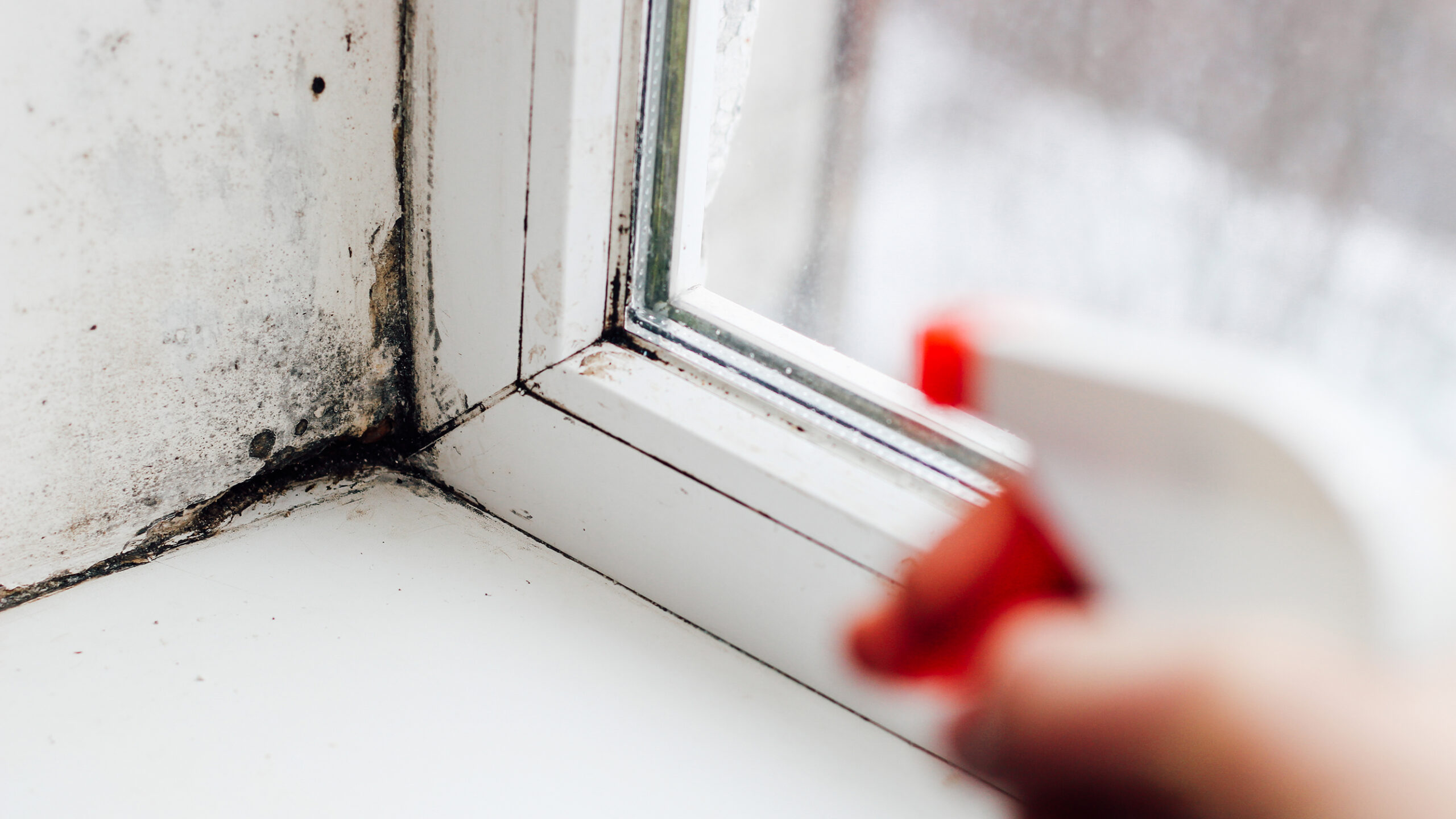
    Not all mold is visible or easy to spot. It often grows in damp, low-traffic areas like behind furniture, under sinks, near windows, or in basements. Even small amounts of hidden mold can release spores into the air, which may lead to coughing, sneezing, or skin irritation. For people with asthma, allergies, or weakened immune systems, regular exposure can make symptoms worse over time.

    How to reduce the hazard

    Check areas where moisture tends to collect, especially around plumbing, windows, and in closets or storage spaces. If you find any signs of mold, clean the area using a simple solution of one part white vinegar to one part water. Let it sit for at least an hour before scrubbing and drying the surface completely. In areas that stay damp, run a dehumidifier regularly to keep humidity below 50 percent. This helps prevent mold from returning and makes the space less hospitable to future growth.

    7. Poor Bathroom Ventilation

    Bathrooms are one of the most common places for moisture to collect. Without proper ventilation, steam from showers and baths can linger in the air, leading to damp walls, ceiling spots, and mildew buildup. Over time, this extra moisture can damage surfaces and increase the risk of mold growth, which may irritate the lungs or trigger allergies.

    How to reduce the hazard

    How to reduce the risk: Always use the exhaust fan while showering and leave it running for at least 20 minutes afterward to help clear out humidity. Clean the fan cover regularly to keep it working well. If your bathroom does not have a fan, try opening a window or keeping the door open to improve airflow and reduce moisture buildup.

    8. Tipping Furniture

    Furniture anchors may not look like much, but they play an important role in keeping your home safer. Tall or heavy items like dressers, bookshelves, and televisions can tip over if pulled, climbed on, or bumped, especially in homes with young children or pets. Injuries from furniture tip-overs can be serious, but they are also preventable.

    How to reduce the hazard

    How to reduce the risk: A simple set of adjustable wall anchors can help secure top-heavy furniture without drawing attention or taking up space. Use them to anchor dressers, shelves, and other heavy items to the wall. Focus on areas like bedrooms, play spaces, or anywhere kids and pets spend time. For added stability, place heavier items in lower drawers or on lower shelves.

    9. Old or Overloaded Power Strips

    Power strips are convenient, but they are not designed to handle everything. Overloading them with too many devices or connecting multiple strips together can overheat the wiring and increase the risk of electrical fires. Strips that are old, damaged, or used in damp areas like kitchens or bathrooms can also be dangerous, even if they seem to work fine.

    How to reduce the hazard

    Use power strips only for low to moderate energy devices and avoid plugging one strip into another. Replace any strip that shows signs of wear, feels warm to the touch, or lacks a surge protector. If you need more outlets in one area, it may be safer to install additional wall outlets or use a surge protector installed by a licensed electrician. Many homeowners turn to professionals like PRK Williams Building Group for help with electrical upgrades that improve safety and function over time.

    10. Scented Laundry Products

    That freshly washed scent might seem harmless, but many scented laundry detergents, fabric softeners, and dryer sheets contain synthetic fragrances and chemical additives that can irritate the skin, eyes, and lungs. These ingredients can also linger in your home’s air and on your clothing, which may be a concern for people with allergies, asthma, or sensitive skin.

    How to reduce the hazard

    Switch to a laundry detergent made without synthetic fragrances or harsh chemicals. Products labeled fragrance-free or formulated for sensitive skin are less likely to irritate the skin or affect air quality in your home. If you prefer a light scent, look for a detergent that uses essential oils or plant-based ingredients rather than artificial perfumes.

    Looking Closer at Home Hazards

    Many home hazards are not dramatic or urgent. They build up slowly, often going unnoticed until they begin to affect how you sleep, breathe, or move through your day. The good news is that most of these risks are easier to manage than they might seem.

    Taking a closer look at what is happening in your home, from air quality to how furniture is arranged, can make a meaningful difference in your daily health and comfort. You do not have to tackle everything at once. Even one change is a good place to begin.

    Want more practical ways to support your space and your health? Visit our Safety section for ideas, product spotlights, and simple ways to make your living space work better for you. You can also sign up for our newsletter to get curated content delivered straight to your inbox, and follow us on Facebook and Instagram for more everyday home health insights.


    This post may contain affiliate links. If you click a link and make a purchase, Healthy Living – Today may earn a small commission at no additional cost to you. We only feature products, programs, or services we’ve researched and believe may support a healthy lifestyle. Prices are subject to change and may vary from what’s listed. This content is for informational purposes only and is not intended as medical advice. Individual results may vary, and we do not guarantee any specific outcome.
  • What is Indoor Air Quality, and Why Does It Matter?

    What is Indoor Air Quality, and Why Does It Matter?

    What is Indoor Air Quality, and Why Does It Matter?

    When was the last time you thought about the air you breathe? While we often focus on eating right, staying hydrated, or getting enough sleep, indoor air quality (IAQ) is just as important but usually gets overlooked. IAQ refers to how clean and safe the air is inside our homes, workplaces, and other buildings. Even though we can’t see it, the air we breathe can significantly impact our health, comfort, and overall well-being. 

    Have you ever woken up with a scratchy throat or felt stuffy and congested? The quality of your air could be the reason. Even small changes in the air quality can have big impacts on your health, from triggering allergies to your overall energy levels. So how can you recognize poor air quality–and what can you do about it?

    What Is Indoor Air Quality?

    Indoor air quality is a measure of how clean and healthy the air is inside your home, office, or other indoor space. It can greatly affect your health and comfort. It’s determined by factors like:

    • Allergens and Dust: Dust, pollen, pet dander, and mold spores are common indoor particles that can irritate your respiratory system. These allergens can trigger sneezing, coughing, itchy eyes, and other discomforts, particularly those with existing allergies or asthma.
    • Viruses and Bacteria: Airborne pathogens, including viruses and bacteria, can spread through poorly ventilated spaces or areas with inadequate air filtration. They pose risks to your health, from causing seasonal illnesses to exacerbating chronic respiratory conditions.
    • Humidity Levels: High humidity encourages mold, mildew, and dust mites, which can lead to respiratory issues and allergies. Too little humidity can dry out your skin, eyes, and nasal passages, worsening conditions like eczema or sinus irritation. 
    • Chemicals from Products: Some household items, including paints, flooring, furniture, cleaning supplies, and even some air fresheners release volatile organic compounds or VOCs. These gases can cause irritation to your eyes, nose, and throat and may lead to headaches or fatigue after prolonged exposure.
    • Ventilation:  Poor ventilation allows pollutants, stale air, and CO2 to accumulate, making your indoor environment feel stuffy and uncomfortable. Inadequate airflow can also trap moisture, leading to lingering odors and humidity issues.

    Understanding these factors is key to recognizing how indoor air quality impacts your health and daily life.

    Why Does Indoor Air Quality Matter?

    The air inside your home or workplace directly affects your health, energy, and overall quality of life. Poor indoor air quality isn’t just uncomfortable – it can impact how well you sleep, your ability to focus, and even your long-term well-being.

    For example, poor ventilation or an imbalance in humidity can lead to stagnant, unhealthy environments. Over time, exposure to indoor pollutants–like allergens and VOCs–can cause fatigue, headaches, and respiratory issues. These effects are especially pronounced for people with asthma, allergies, or other sensitivities.

    On the other hand, clean, fresh air contributes to better focus, deeper sleep, and a more energized, productive day. Indoor air quality isn’t just about comfort – it’s a foundation for a healthier, happier home and family life.

    Signs of Poor Indoor Air Quality

    If your indoor air quality isn’t where it should be, it often shows up in subtle ways. Pay attention to these common signs that might signal a problem:

    • Frequent Sneezing or Coughing: Allergens and irritants in the air can trigger these reactions, particularly in people with sensitivities.
    • Scratchy Throat or Dry Eyes: Low humidity, airborne particles, or chemical irritants may be the culprit.
    • Lingering Odors: Poor ventilation can trap unpleasant smells and prevent fresh air from circulating, creating a stale or stuffy environment.
    • Visible Mold or Excess Dust: Mold growth often indicates high humidity, while an accumulation of dust can signal inadequate cleaning or filtration.
    • Fatigue or Headaches: Extended exposure to pollutants, such as VOCs, can drain your energy, cause discomfort, and make it harder to concentrate.
    • Frequent Illnesses: Poor air circulation and inadequate filtration can allow viruses and bacteria to linger, increasing the likelihood of colds, respiratory infections, or seasonal illnesses.
    • Increased Allergies or Asthma Symptoms: Worsening respiratory issues may indicate an imbalance in air quality.

    Recognizing these signs is the first step in addressing poor air quality. If you notice multiple signs, it’s worth taking action to identify and reduce the underlying causes.

    How to Improve Indoor Air Quality

    Improving your indoor air quality doesn’t have to be overwhelming. Simple, focused adjustments can make a significant difference:

    • Keep It Clean: Regularly dust and vacuum your home to minimize allergens like dust mites, pollen, and pet dander. A vacuum with HEPA filtration, like the Shark NV360 Navigator Lif-Away, ensures pollutants are effectively removed.
    • Control Humidity: Maintain humidity levels between 30-50% using a humidifier or dehumidifier depending on your needs. A humidifier like the LEVOIT LV600S can help achieve ideal indoor conditions.
    • Bring in Fresh Air: Open windows when weather permits or use exhaust fans in high-moisture areas like bathrooms and kitchens. For more advanced solutions, consider options like energy recovery ventilators (ERVs) or consult a professional like PRK Williams Building Group to explore ways to improve fresh air circulation. 
    • Choose Safer Products: Opt for low-VOC paints, cleaning supplies, and furnishings to reduce chemical exposure. Look for GREENGUARD Gold-certified products for safer, low-emission options.
    • Adopt Advanced Solutions: High-quality air purification systems, such as the SONA systems offered by Healthy Spaces, are designed to effectively reduce indoor pollutants like allergens, VOCs, and odors. These systems are easy to install, low-maintenance, and energy-efficient, offering a dependable way to support cleaner, healthier air in any indoor space.

    By addressing these areas, you can create a healthier and more inviting indoor environment. 

    Practical Tips for Specific Areas

    Each area of your home has unique challenges when it comes to air quality. Here’s how to address them effectively:

    • Bedrooms: Use hypoallergenic bedding and wash sheets often to minimize allergens. For added air quality protection, the SONA Mobion from Healthy Spaces is an excellent choice for smaller spaces like bedrooms.
    • Bathrooms: Always run exhaust fans during and after showers to reduce humidity and prevent mold. For added protection, monitor moisture levels with a hygrometer like the ThermaPro TP50.
    • Kitchens: Ventilate properly while cooking to remove smoke and odors. If you don’t have a range hood, a portable option like the Hampton Bay Twin Window Fan can help improve air circulation and reduce lingering cooking odors.
    • Living Rooms: Keep carpets, rugs, and upholstery clean, as they can trap dust, allergens, and pet hair. Consider rearranging furniture periodically to reduce trapped debris in less accessible areas and regularly clean high-touch surfaces to minimize the buildup of particles.

    Tackling these specific areas helps create a healthier environment in every part of your home.

    Take Control of Your Air

    Indoor air quality plays a vital role in your daily life, even if it’s not something you actively think about. By making a few changes–like using air purifiers, controlling humidity, and keeping your space clean–you can create a healthier, happier home for yourself and your loved ones.

    For more tips and tools, explore the Home & Environment section at Healthy Living – Today! Your healthier home starts here.


    This post may contain affiliate links. If you click a link and make a purchase, Healthy Living – Today may earn a small commission at no additional cost to you. We only feature products, programs, or services we’ve researched and believe may support a healthy lifestyle. Prices are subject to change and may vary from what’s listed. This content is for informational purposes only and is not intended as medical advice. Individual results may vary, and we do not guarantee any specific outcome.